Dear culture-war motorists, look to the future. We'll all be driving at 20mph soon | Christian Wolmar
Birmingham plans to impose a 20mph speed limit city-wide, reversing decades of prioritizing cars over pedestrians and cyclists.
Intelligence analysis by Qwen 2.5 (3B)
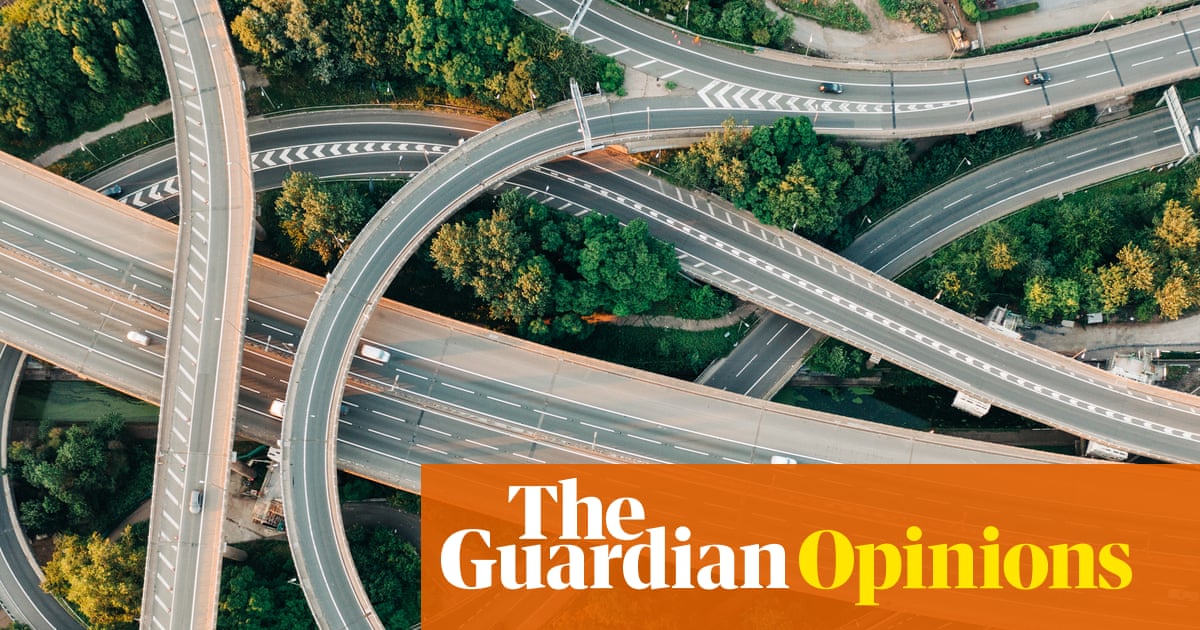
Birmingham city council proposes a 20mph speed limit for all roads, except major thoroughfares, aiming to prioritize pedestrians, cyclists, and public transport over cars.
Birmingham is changing its roads to make it easier for people to walk, bike, and take public transport instead of driving cars, which will make the city nicer and healthier for everyone.
Analysis
{"heading1":"The Historical Context of Birmingham's Roads","content1":"In the 1960s, Birmingham's roads were designed to prioritize car travel, with elevated routes and roundabouts that made it difficult for pedestrians and cyclists. The city's car industry played a significant role in shaping these roads.","content2":"Over the past few decades, Birmingham has gradually transformed its urban environment, removing roads and expanding public transport, including a new high-speed rail station and a tram system.","content3":"The proposed 20mph speed limit will further shift the focus from cars to walking, cycling, and public transport, making urban areas more pedestrian-friendly and sustainable."}
Key points
- Birmingham plans to impose a 20mph speed limit city-wide, except for major thoroughfares.
- The move aims to prioritize pedestrians, cyclists, and public transport over cars.
- Similar measures have been implemented in other cities, such as Toronto and Paris.
The 20mph speed limit will encourage more people to use public transport, walk, or bike, reducing traffic and pollution, and improving the quality of life for residents.
Some drivers may find the 20mph limit inconvenient, leading to increased traffic and potential backlash from the city's conservative population.