Death toll in Ceuta border crisis rises to 67 as Spanish government announces plans for barrier
The death toll in the Ceuta border crisis has climbed to 67, with Spain planning a new sea barrier. PM Sánchez criticized EU 'selfishness' over the migrant influx.
Intelligence analysis by Gemini 2.5 Flash Lite
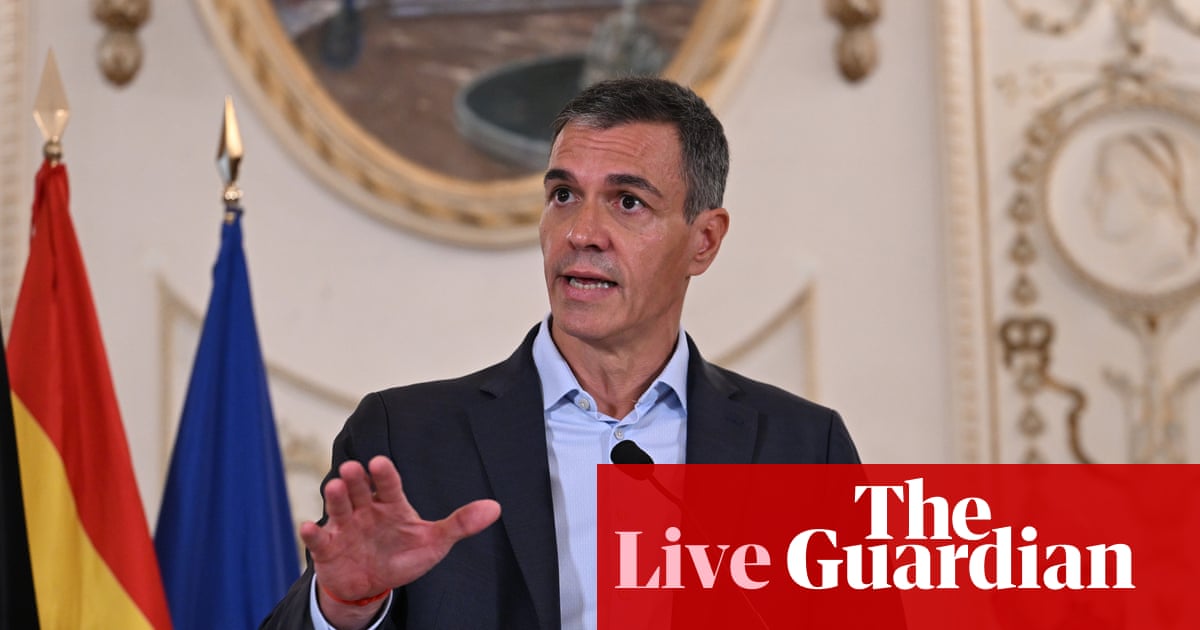
Spain's Prime Minister Pedro Sánchez has condemned the 'selfish' reactions of some EU countries to the Ceuta border crisis, where the death toll has risen to 67. As Spain plans a new sea barrier to deter crossings, Sánchez highlighted his government's success in restoring border control and returning migrants, while calling for an urgent EU meeting.
Imagine a fence between two yards, but it's a fence that people can swim around. Lots of people tried to swim from one yard (Morocco) to the other (Spain's Ceuta), and sadly, some got hurt or worse. Spain is now building a new part of the fence that goes into the water to stop more people from swimming over, and the leader of Spain is upset that other countries aren't helping more and are being mean about it.
Analysis
Ceuta's Escalating Crisis and Spain's Response
The situation at the Spanish enclave of Ceuta, bordering Morocco, has reached a critical point with the death toll rising to 67 amidst a massive influx of tens of thousands of migrants. In response, the Spanish government has announced plans to construct a new containment barrier extending into the sea, a measure aimed at preventing further irregular crossings. This development underscores the persistent challenges faced by European nations in managing external borders and the humanitarian crises that can arise from such pressures. The Spanish foreign minister, José Albares, has assured that the Schengen area's integrity remains intact, with all individuals entering Ceuta being accounted for and returned to Morocco, emphasizing the strict border control measures in place for travel to mainland Spain.
Intra-EU Tensions Over Migration
Prime Minister Pedro Sánchez has voiced strong criticism against several EU member states, accusing them of a "selfish, polarising and illegal reaction" to the Ceuta crisis. He lamented that instead of solidarity, some countries have opted to "attack" Spain, advocating for its temporary exclusion from the Schengen area. Sánchez attributes these reactions to "prejudice, fake news, ignorance, or political interests," arguing they contravene European law, humanitarian principles, and the spirit of EU cooperation. He pointed out that Spain, in close coordination with Morocco, managed to restore border control, provide humanitarian aid, and return migrants with minimal support from other European nations, prompting his call for an emergency meeting of EU interior ministers.
Broader European Context and Humanitarian Concerns
The events in Ceuta are emblematic of the broader migration challenges confronting Europe, exacerbated by geopolitical instability and climate-related pressures in neighboring regions. While Spain has focused on border control and inter-state cooperation with Morocco, the underlying causes of migration—often rooted in conflict, poverty, and environmental degradation—remain unaddressed. The reported deaths highlight the perilous journeys undertaken by migrants and the urgent need for comprehensive, humane, and coordinated European policies. The situation in Ceuta, coupled with other concurrent events like the wildfires in France, paints a complex picture of Europe grappling with multiple crises simultaneously, testing its capacity for solidarity and effective governance.
Key points
- The death toll in the Ceuta border crisis has risen to 67.
- Spain plans to install a new containment barrier extending into the sea.
- Prime Minister Pedro Sánchez criticized some EU countries for 'selfish' and 'polarising' reactions.
- Sánchez highlighted Spain's success in restoring border control with Moroccan cooperation.
- Spain has called for an urgent meeting of EU interior ministers.
The Spanish government's swift action to restore border control and its call for an emergency EU meeting could foster greater cooperation and solidarity among member states. This might lead to more effective, humane, and coordinated approaches to migration management across the bloc.
Continued internal divisions within the EU over migration policy could weaken the bloc's ability to respond cohesively to humanitarian crises. This may result in further human suffering at borders and increased political instability.