Death toll in Japan earthquake rises to 17 as aftershock and heat complicate rescue efforts
A magnitude 6.8 earthquake in Japan's Kumamoto prefecture has killed 17 and injured at least 62. Rescue workers are racing against 35C heat and aftershocks to find survivors trapped in a damaged shopping mall.
Intelligence analysis by Llama
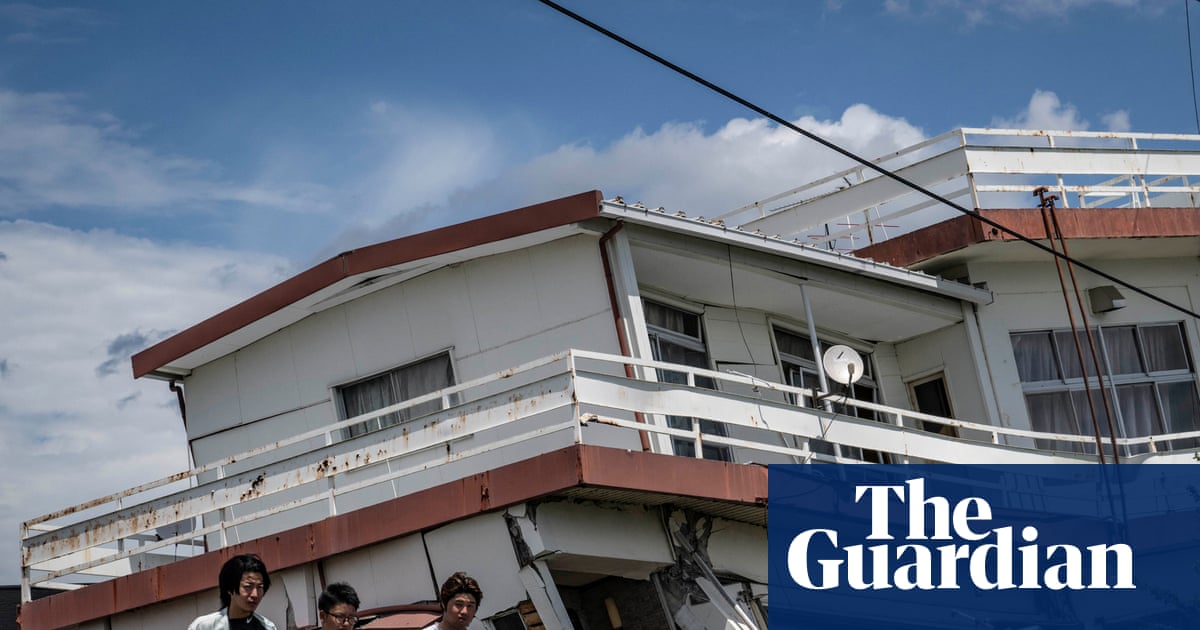
A magnitude 6.8 quake hit Kyushu's Kumamoto prefecture, killing 17 and injuring 62. Roughly 170 rescuers are searching a collapsed Aeon mall where a gas explosion followed the initial tremor, while 35C heat and a 5.8 aftershock are complicating efforts.
A big earthquake shook an island in southern Japan, and buildings including a shopping mall collapsed. Rescue workers are digging through the rubble to find people who might still be alive, but it's very hot outside and the ground keeps shaking again, making their job really hard.
Analysis
A Race Against Heat and Time in Kashima
The search for survivors inside the Aeon mall in Kashima has become the focal point of the response. Roughly 170 rescue workers are combing through the structure, where part of the ceiling caved in and metal debris is scattered across the floor. The company said about 3,000 customers were evacuated to a parking lot before a gas explosion tore through another section where employees were still working. Eight people have been pulled from the rubble; three of them died. With temperatures forecast to hit 35C and a 5.8-magnitude aftershock rattling the region overnight, conditions for both survivors and rescuers are deteriorating. Prime Minister Sanae Takaichi framed the operation bluntly: "There are people who are still waiting to be rescued, and it's a race against time."
Kyushu's Industrial Lifeline Takes a Hit
Beyond the human toll, the quake has rippled into Japan's manufacturing heartland. Kyushu accounts for roughly two-fifths of regional industrial output and is a critical base for both automakers and chipmakers. Toyota announced it would halt operations at three plants in the region through Friday as it assessed the impact on suppliers and logistics. Analysts cited in the reporting suggested the shutdowns are precautionary, aimed at protecting workers rather than responding to direct facility damage, but the pause nonetheless threatens to tighten supply chains already strained by global demand for Japanese autos and semiconductors. More than 34,900 homes remain without electricity and 15,000 without running water, underscoring the scale of the disruption to daily life.
A Region Marked by Seismic Memory
Kumamoto has absorbed seismic trauma before. In 2016, two devastating earthquakes killed 273 people and injured more than 2,800, leaving a lasting imprint on local preparedness and infrastructure. The current quake registered at the top of Japan's seven-level shindo scale, and Japan's Geospatial Information Authority measured ground displacement of as much as 87 centimetres in some areas. Some residents told AFP it was the strongest tremor they had felt in their lifetimes. Japan sits on four major tectonic plates along the western edge of the Pacific "ring of fire" and accounts for roughly 18% of the world's earthquakes, a reminder that the country's vulnerability to seismic events is structural, not exceptional. The first reported death of a foreign national, a Vietnamese technical intern killed when a crane fell at a factory, highlights the international dimension of the labour force on Kyushu's factory floors.
Key points
- Magnitude 6.8 earthquake struck Kumamoto prefecture on Kyushu island, killing 17 and injuring at least 62
- About 170 rescue workers are searching the Aeon mall in Kashima, where a gas explosion followed the initial tremor; 8 have been pulled from rubble, 3 of whom died
- A 5.8-magnitude aftershock and forecast temperatures of 35C are complicating rescue operations
- More than 8,800 people are sheltering in over 400 evacuation centres, with 34,900 homes without power and 15,000 without water
- Toyota has halted production at three Kyushu plants through Friday, highlighting risks to the region's auto and semiconductor manufacturing base
If rescue teams reach trapped survivors in time and the aftershock sequence subsides, the death toll could stabilise well below the 2016 Kumamoto disaster's 273 fatalities. Power and water restoration, already underway with backup generators being added to shelters, could allow displaced residents to return home relatively quickly given Japan's disaster-response infrastructure.
The casualty count is likely to climb further, with officials warning the number is still growing and rescue operations complicated by 35C heat and continued aftershocks. Prolonged factory halts at Toyota and chipmakers could disrupt supply chains for Japan's strategically vital auto and semiconductor sectors, while the destruction of nearly 35,000 homes' worth of power infrastructure suggests a multi-day recovery even for basic services.
Market signals
- TM Toyota announced a halt to operations at three Kyushu plants through Friday to assess supplier and logistics impact from the earthquake.
AI-generated analysis of potential market relevance. Not financial advice.