Deaths linked to London air pollution have fallen 40%, study estimates
A study by Imperial College London found that deaths linked to air pollution in London have fallen by 40% over the past five years. The city's mayor, Sadiq Khan, welcomed the report as evidence that his ultra-low emission zone policy is saving lives.
Intelligence analysis by Llama 3.3 70B
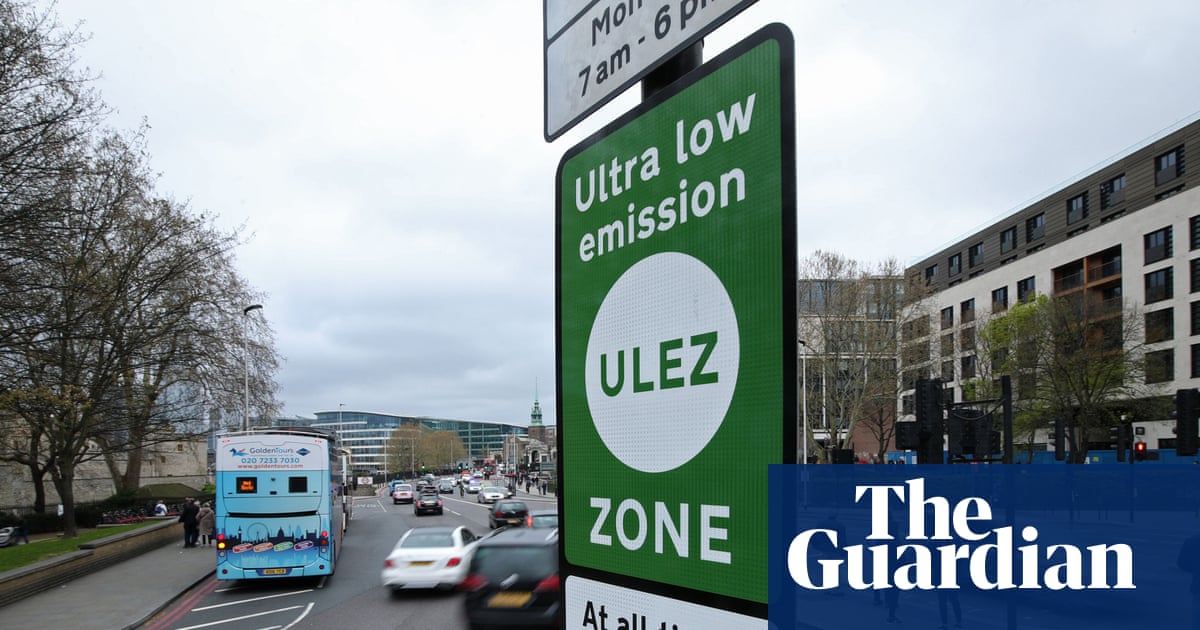
London's air quality has improved since 2019, but air pollution remains a serious public health risk. The study found that nitrogen dioxide levels are down 41% and fine particulate pollution is down 28%.
London's air is getting cleaner, which means people are less likely to get sick from breathing bad air. The city's leaders made some rules to help reduce pollution, and it's working. They're trying to make the air even cleaner, which is good for everyone's health.
Analysis
Air Quality Improvements in London
The study by Imperial College London found that London's air quality has improved markedly since 2019. The researchers reported a 41% decrease in nitrogen dioxide levels and a 28% decrease in fine particulate pollution. These improvements are likely due to the implementation of the ultra-low emission zone (Ulez) policy, which has led to a significant reduction in the number of polluting vehicles on the road.
The Ulez policy, introduced in 2019, charges drivers of non-compliant vehicles a daily fee of £12.50. The policy has been successful in reducing pollution, with 97% of vehicles driving in the zone now compliant. The study's findings suggest that the Ulez policy has been effective in improving air quality and reducing the number of deaths linked to air pollution.
Health Impacts of Air Pollution
The study also found that the impact of air pollution on health is greater than previously understood. The researchers reported that previous estimates attributed 4,000 premature deaths in 2019 to air pollution, but this figure has been revised up to an estimated 6,400-8,000 premature deaths. The study's findings highlight the need for continued efforts to address air pollution, particularly in outer London boroughs where the ratio of deaths attributable to air pollution is highest.
The health impacts of air pollution are significant, with recent evidence showing stronger associations between air pollution and cardiovascular conditions, dementia, and diabetes, as well as respiratory diseases. The study's findings suggest that reducing air pollution can have a significant impact on public health, and that continued efforts are needed to address this issue.
Future Directions for Air Pollution Policy
The study's findings have implications for future air pollution policy in London. The researchers suggest that continued efforts are needed to address air pollution, particularly in outer London boroughs. The study's findings also highlight the need for a comprehensive approach to addressing air pollution, including the expansion of the Ulez policy to the whole of the capital.
The mayor of London, Sadiq Khan, has welcomed the study's findings, saying that the evidence is now overwhelming and unarguable that the bold action taken in London has reduced pollution, improved public health, and saved lives. The study's findings suggest that the Ulez policy has been effective in improving air quality and reducing the number of deaths linked to air pollution, and that continued efforts are needed to address this issue.
Key points
- Deaths linked to air pollution in London have fallen by 40% over the past five years
- Nitrogen dioxide levels are down 41% and fine particulate pollution is down 28%
- The Ulez policy has been effective in improving air quality and reducing the number of deaths linked to air pollution
The study's findings suggest that continued efforts to address air pollution can have a significant impact on public health. If the Ulez policy is expanded to the whole of the capital, it could lead to further reductions in pollution and improvements in public health. Additionally, the study's findings could inform policy decisions in other cities, leading to improved air quality and public health outcomes.
Despite the improvements in air quality, the study's findings highlight the need for continued efforts to address air pollution. If the Ulez policy is not expanded or enforced, pollution levels could increase, leading to negative impacts on public health. Additionally, the study's findings suggest that air pollution remains a serious public health risk, and that more needs to be done to address this issue.