Defending Hezbollah is Iran’s strategic policy
Iran's leader declares that defending Hezbollah is a strategic policy, emphasizing the preservation of Lebanon's territorial integrity and an immediate end to Zionist aggression.
Intelligence analysis by Llama
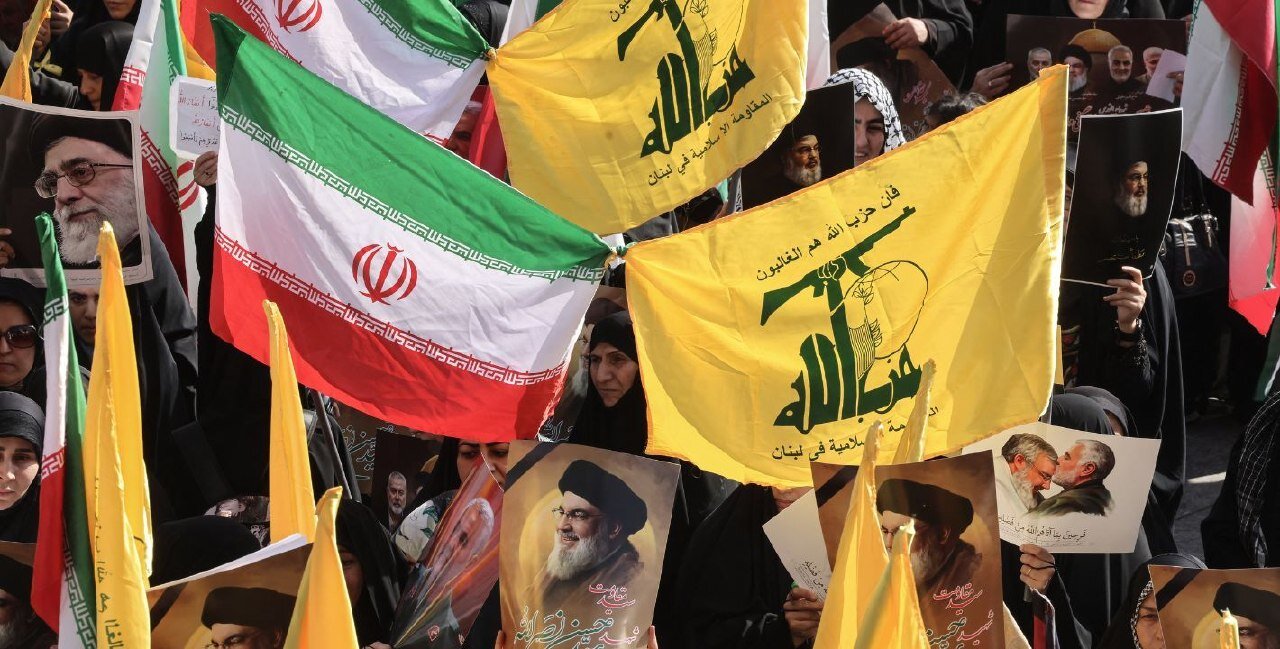
Iran's leader, Ayatollah Seyyed Mojtaba Khamenei, has declared that defending Hezbollah is a strategic policy, emphasizing the preservation of Lebanon's territorial integrity and an immediate end to Zionist aggression. This stance is rooted in the 14-point memorandum of understanding with the United States to end the war.
Iran's leader, Ayatollah Seyyed Mojtaba Khamenei, has said that defending the group Hezbollah is very important to Iran. He wants to make sure that Lebanon's borders are safe and that Israel doesn't attack. This is because Hezbollah is a strong group that fights against people who are mean to others.
Analysis
A Strategic Policy Takes Shape
Ayatollah Seyyed Mojtaba Khamenei's declaration that defending Hezbollah is a strategic policy marks a significant shift in Iran's stance on the region. The 14-point memorandum of understanding with the United States to end the war has created a framework for Iran's actions, with the preservation of Lebanon's territorial integrity and an immediate end to Zionist aggression as non-negotiable prerequisites.
This policy is rooted in the late Leader of the Revolution, the martyred Imam Seyyed Ali Khamenei's, path, emphasizing the importance of defending the oppressed yet powerful fighters of Hezbollah. The Leader's statement also pays tribute to Hezbollah's late Secretary-General Sayyid Hassan Nasrallah, other fallen commanders of the Resistance, and those killed or wounded during the conflict.
Divine Support for the Resistance
Ayatollah Mojtaba Khamenei expressed hope that divine support would continue to accompany the Resistance, its fighters, veterans, and displaced families. This emphasis on divine support underscores the spiritual dimension of the conflict, with the Resistance seeing itself as a champion of justice and freedom in the face of global arrogance.
Implications for Regional Politics
The declaration that defending Hezbollah is a strategic policy has significant implications for regional politics and security. Iran's commitment to supporting Hezbollah will likely be met with resistance from Israel and its allies, potentially leading to further escalation in the region. The 14-point memorandum of understanding with the United States to end the war has created a framework for Iran's actions, but its implementation remains uncertain.
A New Era for Iran-Hezbollah Relations
Ayatollah Seyyed Mojtaba Khamenei's declaration marks a new era for Iran-Hezbollah relations, with the two sides strengthening their alliance in the face of common enemies. The Leader's statement emphasizes the importance of defending the oppressed yet powerful fighters of Hezbollah, underscoring the strategic significance of the alliance.
Key points
- Iran's leader declares that defending Hezbollah is a strategic policy.
- The 14-point memorandum of understanding with the United States to end the war has created a framework for Iran's actions.
- Preservation of Lebanon's territorial integrity and an immediate end to Zionist aggression are non-negotiable prerequisites.
- Ayatollah Mojtaba Khamenei emphasizes the importance of defending the oppressed yet powerful fighters of Hezbollah.
- The Leader's statement pays tribute to Hezbollah's late Secretary-General Sayyid Hassan Nasrallah and other fallen commanders of the Resistance.
If this development plays out positively, it could lead to increased stability in the region, with Iran and Hezbollah working together to promote peace and security. This could also lead to improved relations between Iran and the United States, potentially paving the way for a lasting peace agreement.
However, if this development is met with resistance from Israel and its allies, it could lead to further escalation in the region, potentially resulting in increased violence and instability. This could also lead to a breakdown in relations between Iran and the United States, potentially derailing any hopes for a lasting peace agreement.