Defying Trump with brief Iran fight, Israel seeks sway over peace talks
Israel resumed strikes on Iran despite Trump’s call for restraint, signaling it wants leverage in U.S.-led peace talks and Lebanon negotiations.
Intelligence analysis by GPT-5.4 Mini
The article says Israel’s brief renewed fight with Iran was meant to pressure Washington and keep Israel from being sidelined in any U.S.-Iran deal. Netanyahu’s government wants to ensure future talks do not limit Israel’s freedom to strike Hezbollah or shape events in Lebanon.
Israel and Iran traded blows again, but the fight was also like a loud way of saying, “Don’t make deals about us without us.” Israel wants a stronger voice in peace talks, especially about Lebanon and Hezbollah.
Analysis
What happened
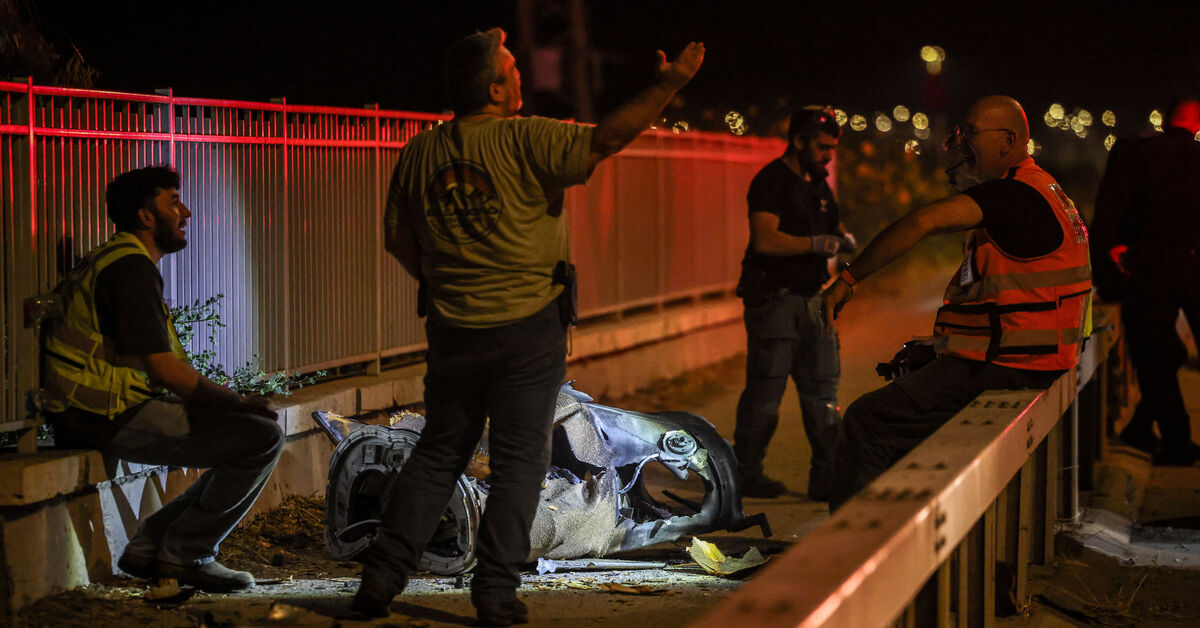
Israel struck targets in Iran on Monday after Iran fired missiles at Israel, marking a renewed exchange after a ceasefire in April. The timing mattered: Trump had publicly urged Israel to stop, and both sides halted the latest round shortly after his warning.
What Israel was trying to signal
According to the article, the strikes were not only about immediate retaliation. Israeli officials wanted to show Washington that Israel cannot be treated as a bystander if the United States negotiates with Iran over a wider peace arrangement. One senior Israeli defense official said Israel could not accept a scenario in which Iranian attacks on Israel became a normal response to Israeli strikes in Lebanon.
The U.S.-Israel friction
Trump is trying to reach a settlement with Iran while keeping Israel out of the talks. The article says he has pushed Netanyahu to avoid actions that could derail negotiations, including limiting strikes in Lebanon. Netanyahu has privately acknowledged that he has limited room to influence Trump’s thinking, but his government is also trying to preserve Israel’s freedom to attack Hezbollah in southern Lebanon and keep troops there if needed.
Why the episode matters
The story shows that the ceasefire and the diplomacy around it remain fragile. Israel appears willing to use short bursts of force to argue for a seat at the table, while Trump is signaling he wants the fighting to stop and the talks to continue. The article also notes a practical constraint: Israel can strike Iran without U.S. help, but sustaining a long air campaign would require American support and ammunition replenishment.
Key points
- Israel struck Iran again after Trump publicly told both sides to stop shooting.
- Israeli officials say the strikes were meant to ensure Israel is not excluded from any U.S.-Iran deal.
- Netanyahu wants to preserve Israel’s ability to attack Hezbollah in Lebanon and keep troops deployed there.
- Trump is pushing for a negotiated settlement and has tried to limit Israeli actions that could derail it.
- Analysts say Israel can strike Iran on its own, but not sustain a long air campaign without U.S. support.
If the pressure works, Israel’s message may push U.S. negotiators to account for Israeli security concerns in any deal with Iran. That could reduce the chance of a settlement that leaves Lebanon or Hezbollah unresolved and lower the odds of a bigger clash later.
The more Israel and Iran trade strikes, the easier it becomes for the ceasefire to break down again. If Washington and Jerusalem stay at odds, the talks could stall while both sides keep the option of renewed escalation open.