Delays from new EU border system may not ‘stabilise’ for two years, official says
EU border checks are causing long delays and may take up to two years to settle, adding pressure to early summer holiday bookings.
Intelligence analysis by GPT-5.4 Mini
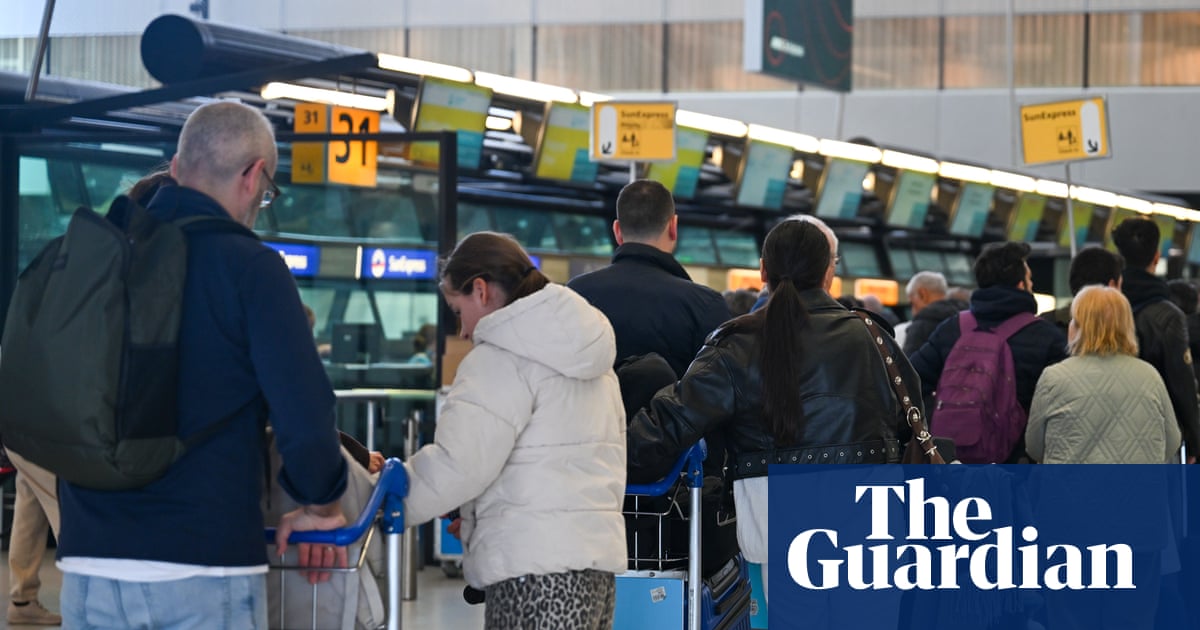
Frontex says the EU’s new entry/exit checks are still causing teething problems at busy borders, with some member states struggling to adapt. UK travel firms say the delays, the Middle East conflict and cost-of-living pressure are pushing consumers to book later.
It is like a big school gate where everyone has to show extra papers and have their face checked the first time they arrive. That slows the line, and some families are waiting to book holidays until they know the gate will move faster.
Analysis
What is happening
The Guardian reports that the EU’s new entry/exit system, which records personal details and biometrics from non-EU travellers, is already creating hours-long delays at some airports. Uku Särekanno of Frontex said the system may take one or two years to “stabilise,” with the first enrolment process being the hardest part.
Why businesses are worried
Travel groups say the rollout is landing at the wrong time for the industry. Mark Tanzer of Abta said the system is creating an unhelpful backdrop for summer travel to EU destinations and argued that destinations should use the contingency rules that allow biometric checks to be paused when queues get too long. The article says British holiday bookings for early summer are also being affected by uncertainty around the conflict in the Middle East and by rising living costs.
Demand is shifting later
Consumers are increasingly booking later in the year, according to the story, because they are nervous about delays, higher fuel costs and the risk of air fares rising. Shaun Morton of On the Beach said shorter lead times make planning harder and reflect a price-sensitive customer. He still expects the summer travel market to grow overall this year, but the company’s share price has already fallen sharply this year after a warning that travellers were booking later.
The bigger picture
The piece suggests the travel sector is dealing with a mix of operational friction and weak consumer confidence. The new border regime may ease for repeat travellers, but for now it is adding to a wider period of uncertainty for holiday demand.
Key points
- Frontex says the EU entry/exit system may take one or two years to stabilise.
- The first biometric enrolment is the hardest part of the new border process.
- UK travel groups warn that delays could hurt summer demand for EU holidays.
- Consumers are booking later amid Middle East conflict fears and higher living costs.
- On the Beach still expects the wider summer market to grow, but its shares have fallen this year.
If the new system works as Frontex expects, repeat travellers should move through faster after the first check. The article also says destinations can suspend biometric registration when queues are too long, which could reduce disruption during peak periods.
If member states keep struggling, long queues could keep hurting confidence and push more people to book later or stay away from EU trips. The article also links the problem to higher fuel costs and living-cost pressure, which could further squeeze demand and hit travel-company shares.