Delhi leads EV charge in India’s clean air push but not everyone goes with flow
India's capital city, Delhi, is implementing an ambitious plan to phase out petrol vehicles by 2027, with a new policy aiming to make the vast majority of newly registered vehicles electric. The policy provides EV buyers with subsidies and incentives to scrap petrol vehic…
Intelligence analysis by Llama
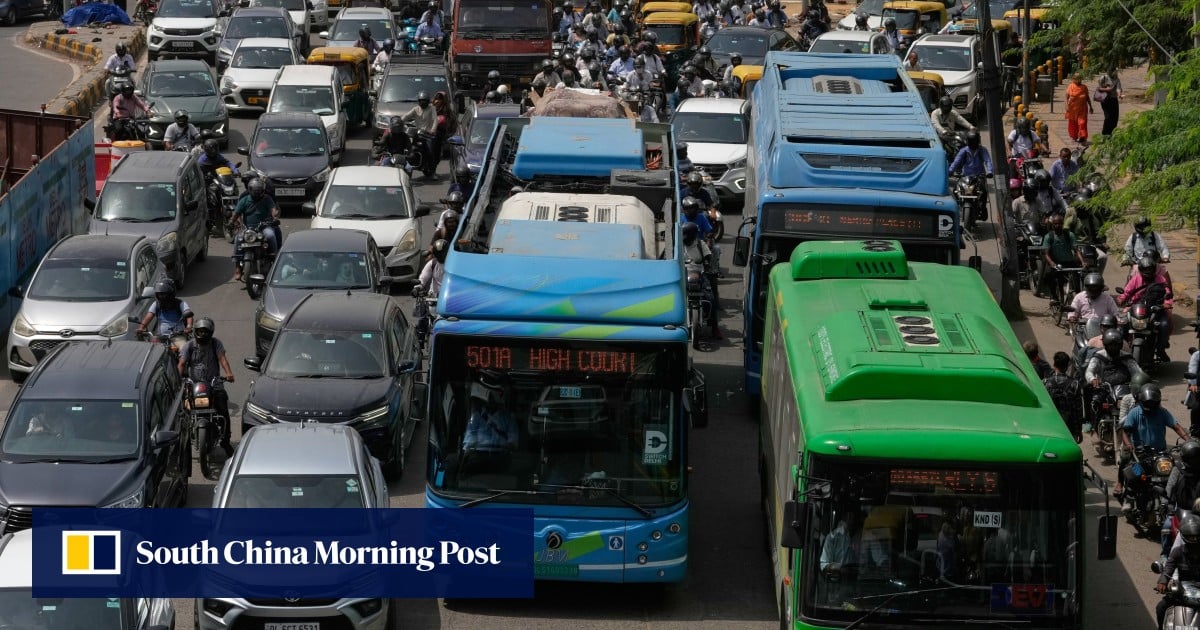
Delhi's new policy aims to make the vast majority of newly registered vehicles electric by 2027, with incentives for EV buyers and plans to expand charging infrastructure. However, existing petrol-powered vehicles will not be banned, and their numbers are expected to dwindle in the coming years.
Imagine you're in a city called Delhi, which is very polluted. To make it cleaner, the government is making a rule that most new cars and trucks will have to be electric. This means they won't make yucky air that hurts people's health. But, it's not easy to switch to electric cars because there aren't enough places to charge them yet. The government is trying to fix this problem by building more charging stations and giving people incentives to buy electric cars.
Analysis
A $60B Vote of Confidence
Delhi's new policy is a significant step towards improving the city's air quality and reducing pollution. The policy aims to make the vast majority of newly registered vehicles electric by 2027, with incentives for EV buyers and plans to expand charging infrastructure. This is one of India's most ambitious electric-vehicle policies, and it has implications for the country's energy sector and the environment.
Why Cursor?
The policy provides EV buyers with subsidies and waivers on registration fees and some road taxes, incentives to scrap petrol vehicles, and it offers plans to expand the charging infrastructure. However, existing petrol-powered vehicles will not be banned, and their numbers are expected to dwindle in the coming years. This raises questions about the feasibility of the policy and the impact it will have on the city's transportation system.
The Road Ahead
The policy is a significant step towards improving the city's air quality and reducing pollution. However, it is just one part of a larger effort to address the city's environmental challenges. The city will need to continue to invest in infrastructure and incentives to support the transition to electric vehicles. Additionally, the city will need to address the issue of existing petrol-powered vehicles and find ways to phase them out in a way that is fair and equitable for all residents.
Key points
- Delhi's new policy aims to make the vast majority of newly registered vehicles electric by 2027.
- The policy provides EV buyers with subsidies and incentives to scrap petrol vehicles.
- The policy offers plans to expand the charging infrastructure.
- Existing petrol-powered vehicles will not be banned, and their numbers are expected to dwindle in the coming years.
If the policy is successful, it could lead to a significant reduction in pollution and an improvement in air quality. This could have positive impacts on public health and the environment. Additionally, the policy could create new job opportunities in the electric vehicle industry and stimulate economic growth.
However, the policy also raises concerns about the feasibility of the transition to electric vehicles. The city's existing infrastructure and transportation system may not be equipped to handle the shift, and it could lead to disruptions and challenges for residents. Additionally, the policy may not be effective in reducing pollution if it is not implemented correctly or if there are not enough incentives for people to switch to electric vehicles.