DHA Energy Supply Company gets 20-Year licences to power DHA City Karachi
Pakistan's power regulator, NEPRA, has granted DHA Energy Supply Company two 20-year licenses to distribute electricity and act as the default supplier for DHA City Karachi, a sprawling new housing development.
Intelligence analysis by Gemini 2.5 Flash
Despite financial and operational concerns raised by existing utilities like K-Electric, NEPRA approved the licenses, citing the backing of the Defence Housing Authority Karachi and the company's existing infrastructure, with conditions for future compliance.
Imagine a giant new neighborhood being built, like a whole new town! Instead of getting electricity from the regular city power company, a special new company called DHA Energy got permission to build its own power lines and deliver electricity just for this new town for 20 years. Even though some older power companies worried if the new company had enough money or experience, the government said it was okay because it's part of a very big and strong organization that already built some of the power stuff.
Analysis
Regulatory Green Light for DHA City Power
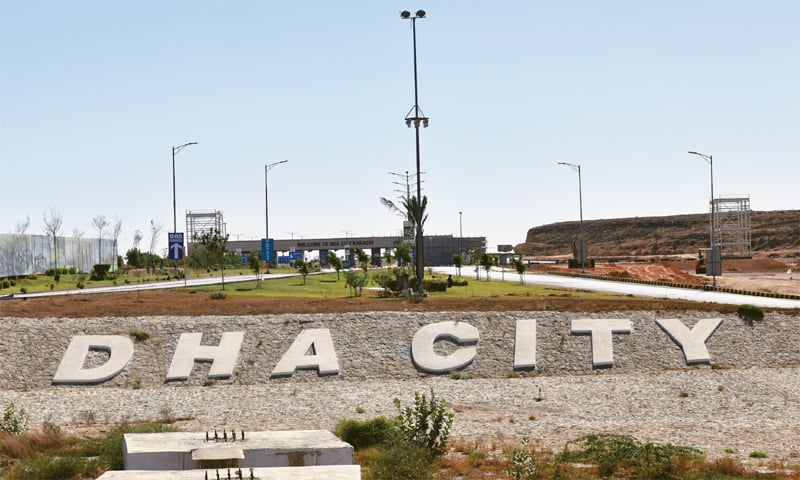
Pakistan's National Electric Power Regulatory Authority (NEPRA) has issued two significant 20-year licenses to DHA Energy Supply Company (Private) Limited. These licenses empower the company to establish and operate its own electricity distribution network, as well as serve as the "Supplier of Last Resort" for DHA City Karachi. This expansive 22,000-acre development, located approximately 56 kilometers from the city center in Gadap Town, is a flagship project of the Defence Housing Authority Karachi, aiming to accommodate over 100,000 consumers in the long term.
The approval marks a pivotal step towards ensuring a dedicated and potentially more reliable power infrastructure for the burgeoning urban center. The decision comes amidst a broader context of Pakistan's power sector, where issues of supply, distribution, and accountability often challenge existing utilities. By allowing a subsidiary of a well-established entity like DHA to manage its own power supply, NEPRA is facilitating a model that could enhance service delivery and operational efficiency within large, planned communities.
Addressing Financial and Operational Hurdles
The licensing process was not without contention, as several established utilities, including Gujranwala Electric Power Company, the Central Power Purchasing Agency, and K-Electric, raised formal objections. Their concerns primarily revolved around DHA Energy Supply Company's financial readiness, questioning its ability to meet NEPRA's minimum paid-up capital and net worth requirements. The company's filings showed a paid-up capital of 10 million rupees and a net worth of 15.82 million rupees, significantly below the 150 million and 500 million rupee thresholds, respectively.
However, NEPRA ultimately granted approval, acknowledging that the company had already invested approximately 2.5 billion rupees in electrical infrastructure within the development, which it committed to transferring onto its books. Crucially, NEPRA considered DHA Energy Supply Company as a wholly-owned subsidiary of the financially robust Defence Housing Authority Karachi. The regulator concluded that the parent entity's strong financial track record mitigated the subsidiary's initial shortfalls, incorporating compliance with financial benchmarks as an ongoing condition of the licenses rather than an upfront barrier.
Future Power Strategy and Infrastructure
In the immediate term, DHA City Karachi will continue to receive its electricity from Lucky Cement Limited, an arrangement currently overseen by K-Electric and set to expire in September 2026. DHA Energy Supply Company plans to formalize a direct bilateral power-purchase agreement with Lucky Cement once its licenses are active, subject to NEPRA's approval of a Power Acquisition Program and subsequent tariff petitions. This interim strategy ensures continuity of supply while the new utility fully establishes its operations.
Looking ahead, the company intends to diversify its power sources, drawing from additional nearby generation facilities and eventually integrating with the national grid as the development expands. The existing infrastructure, already under construction, features an underground cabling network comprising 69.5 kilometers of high-tension lines and 225 kilometers of low-tension lines, along with transformers totaling 46.6 megavolt-amperes in combined capacity. NEPRA has also mandated the functional and legal separation of the company's distribution and supply businesses within two years, alongside the submission of a consumer supply manual, ensuring regulatory oversight and consumer protection.
Key points
- NEPRA granted DHA Energy Supply Company two 20-year licenses for electricity distribution and supply in DHA City Karachi.
- Existing utilities, including K-Electric, raised concerns about the company's financial readiness and operational plans.
- NEPRA approved the licenses, citing the backing of the financially strong Defence Housing Authority Karachi and the company's existing infrastructure.
- DHA Energy Supply Company plans to formalize a power-purchase agreement with Lucky Cement Limited and later integrate with the national grid.
- The company's network is already under construction, featuring underground cabling and significant transformer capacity.
The establishment of a dedicated energy supply company could lead to more reliable and efficient power distribution within DHA City Karachi, potentially improving the quality of life for residents and fostering the development's growth. This model might also encourage greater accountability and responsiveness to consumer needs compared to larger, more centralized utilities.
Despite NEPRA's approval, the initial financial shortfalls of DHA Energy Supply Company could pose long-term risks if not adequately addressed through the parent company's support. Operational challenges, such as integrating with the national grid and managing a growing consumer base, could also lead to service disruptions or higher costs if not managed effectively.