Dialogue in DRC: How Félix Tshisekedi Set the Pace
Congolese President Félix Tshisekedi has announced a broad national dialogue aimed at forging a 'pact for peace, cohesion, and the refoundation of the state' after months of deliberation. This strategic move, blending pragmatism and political calculation, comes with just …
Intelligence analysis by Gemini 2.5 Flash
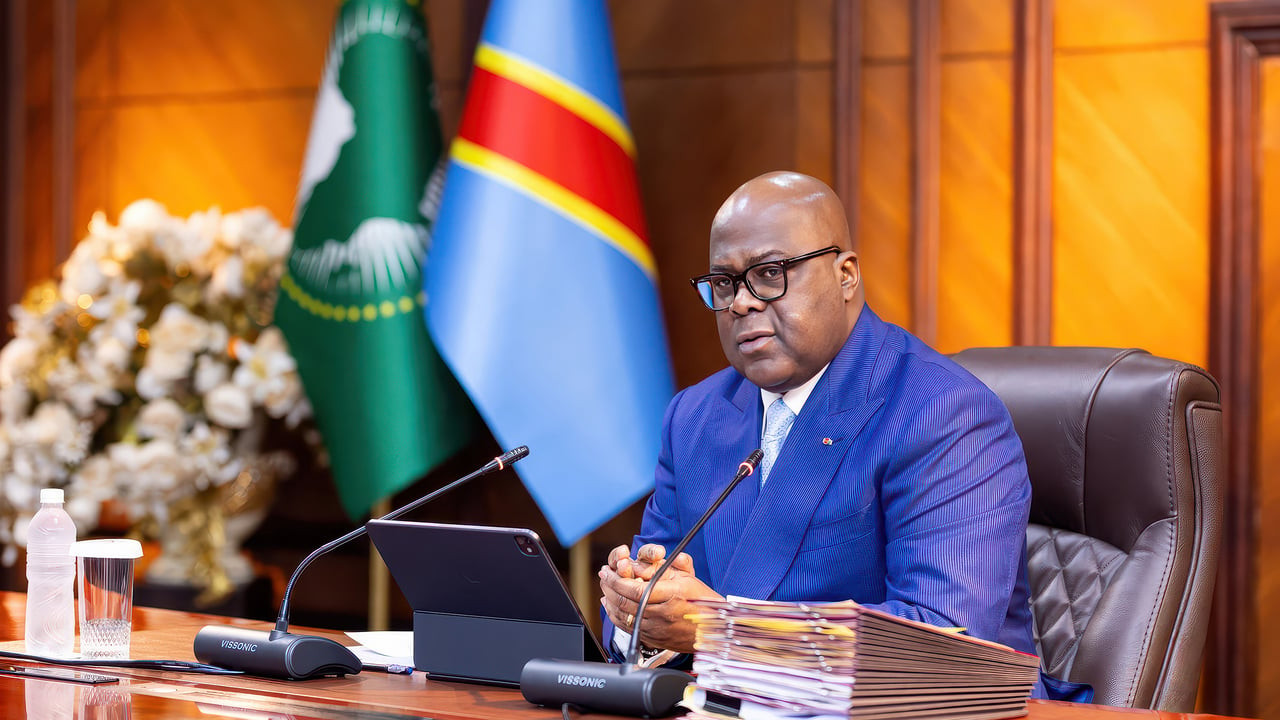
President Tshisekedi's decision to initiate a comprehensive national dialogue is presented as a calculated political maneuver to address the country's challenges and consolidate his position. The dialogue seeks to establish a foundational pact for peace and state rebuilding, following a period where his administration faced significant setbacks, notably the loss of Goma and Bukavu.
Imagine the leader of a big country, Félix, has been having a tough time, like a football team losing important games. So, he's decided to call everyone together for a big talk, like a team meeting, to figure out how to make things peaceful and build a stronger country. He hopes this big talk will help everyone work together better before his time as leader ends.
Analysis
The announcement by Congolese President Félix Tshisekedi of a comprehensive national dialogue marks a pivotal moment in the Democratic Republic of Congo's complex political landscape. After a period characterized by indecision and internal challenges, Tshisekedi's move to initiate a 'pact for peace, cohesion, and the refoundation of the state' is framed as a strategic blend of pragmatic governance and astute political maneuvering. This initiative comes at a critical juncture, with just over two years remaining in his current term, a period described as uncertain, highlighting the urgency and high stakes associated with this dialogue. The president, likened to a football enthusiast who understands the need to manage difficult phases, appears to be seeking to regain control of the political narrative and consolidate his authority.
Félix Tshisekedi
President Félix Tshisekedi's decision to launch a national dialogue is a calculated political gambit designed to address both internal and external pressures. The article suggests this move is not merely about governance but also about securing his political future and legacy. By calling for a broad dialogue, Tshisekedi aims to foster a sense of national unity and collective responsibility, potentially deflecting criticism and building a broader consensus around his vision for the state. This approach could allow him to reset the political agenda and reassert his leadership in a period marked by significant challenges and public scrutiny.
The timing of this announcement, following months of apparent hesitation, indicates a deliberate strategic choice. It suggests that the president and his advisors have carefully weighed the political costs and benefits, opting for a proactive measure to shape the national discourse. The dialogue's ambitious goals—peace, cohesion, and state refoundation—underscore the profound issues the DRC faces, and Tshisekedi's willingness to tackle them through a consultative process could be interpreted as an attempt to demonstrate strong leadership and commitment to national stability.
Goma et Bukavu
A significant factor contributing to the perceived urgency of this dialogue is the recent weakening of Tshisekedi's position, notably "fragilized by the fall of the cities of Goma and Bukavu." These events, likely referring to security setbacks or territorial losses in the eastern part of the country, would have undoubtedly put immense pressure on his administration. The loss of control or significant instability in such key urban centers would undermine public confidence and provide ammunition for political opponents.
The dialogue, therefore, can be seen as a direct response to these security challenges, aiming to rally national support and develop a unified strategy to address the ongoing conflicts. By framing the dialogue around peace and state refoundation, Tshisekedi is directly acknowledging the severity of the security situation and seeking a collective solution. This approach could help to diffuse tensions and present a united front against external threats or internal insurgencies, which have historically plagued the eastern DRC.
Union sacrée
The article briefly mentions Tshisekedi's gathering of "the tenors of the majority" at the second congress of the Union sacrée in August 2025. This reference points to the internal political dynamics within his ruling coalition. The Union sacrée, as his political platform, is crucial for his governance and re-election prospects. A national dialogue could serve to reinforce cohesion within this majority, ensuring that his political base remains united behind his initiatives.
Furthermore, the dialogue might also be an attempt to broaden the appeal of the Union sacrée beyond its current members, inviting other political actors and civil society into a shared national project. This expansion could strengthen Tshisekedi's mandate and provide a more robust foundation for implementing the outcomes of the dialogue. By engaging a wider spectrum of stakeholders, the president could aim to build a more inclusive political framework, essential for long-term stability and effective governance in the DRC.
Key points
- President Félix Tshisekedi announced a broad national dialogue for peace and state refoundation.
- The initiative follows months of hesitation and is seen as a mix of pragmatism and political calculation.
- It comes at a time when Tshisekedi's administration has been weakened by the fall of Goma and Bukavu.
- The dialogue aims to establish a "pact for peace, cohesion, and the refoundation of the state."
- The announcement occurs a little over two years before the uncertain end of his presidential term.
If successful, the national dialogue could foster greater political consensus and stability in the DRC, leading to a more unified approach to peace and state-building. This could help address the root causes of conflict and improve governance, potentially paving the way for a more secure and prosperous future for the Congolese people.
Conversely, the dialogue risks being perceived as a mere political tactic, failing to genuinely address deep-seated grievances or achieve meaningful reforms. If key stakeholders do not participate or if the outcomes are not implemented effectively, it could further erode public trust and exacerbate political tensions, especially given the approaching end of Tshisekedi's mandate.