‘Dimagi Naxal’ row revives debate over the NAC: What was it, and how influential was it?
The NAC was formed in 2004 during the UPA era, and was influential in shaping policy reforms like the RTI Act and MGNREGA.
Intelligence analysis by Qwen 2.5 (3B)
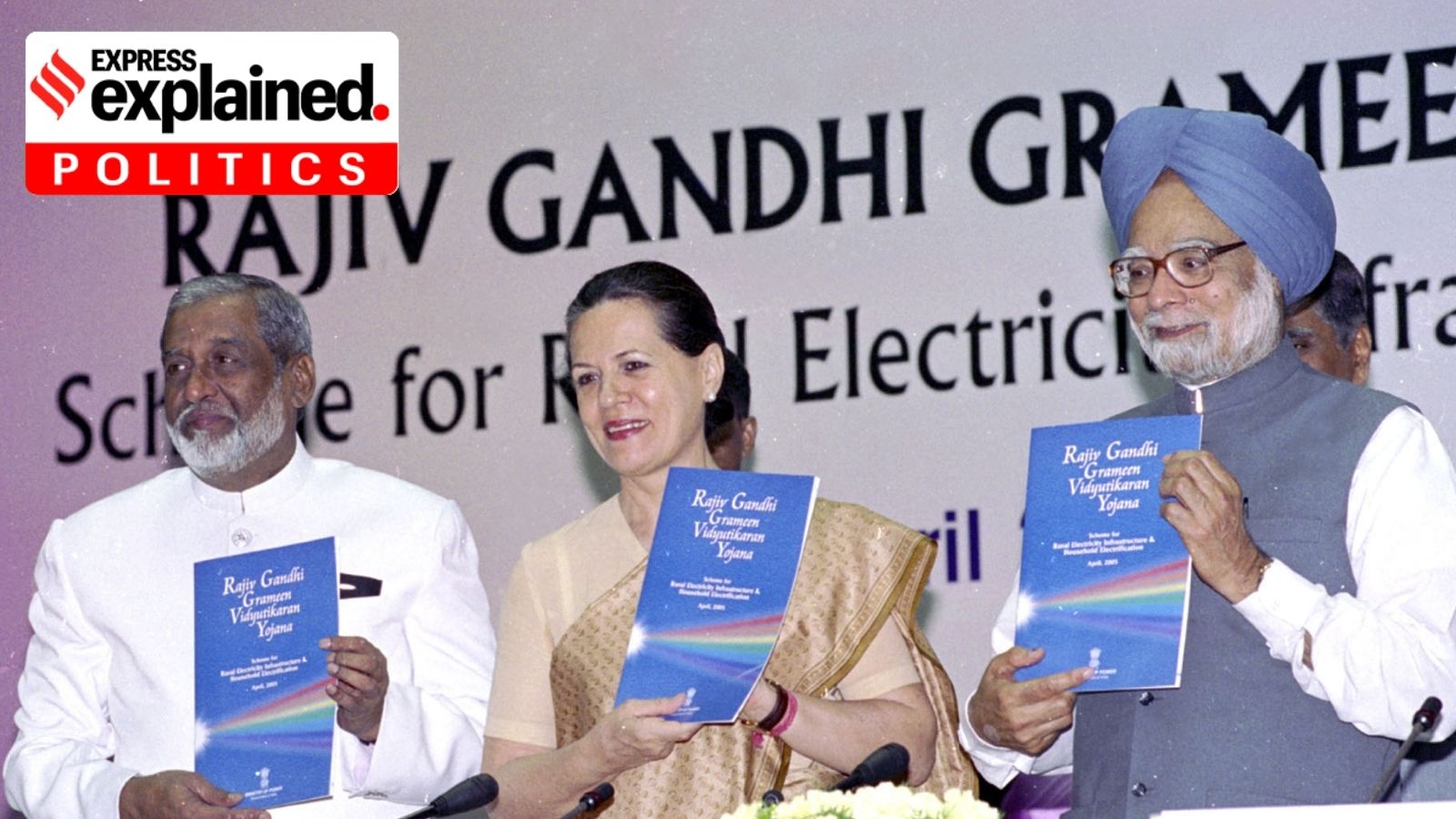
The National Advisory Council (NAC) was an advisory body formed in 2004 during the UPA era. It was influential in shaping policy reforms like the RTI Act and MGNREGA.
The NAC was like a group of smart people who gave advice to the government. They helped make important laws like one that lets people ask the government questions and another that helps people get jobs and food.
Analysis
{"#NAC":"The National Advisory Council (NAC) was formed in 2004 during the UPA era. It was chaired by Sonia Gandhi, then the party president. The NAC functioned as an advisory body for the Centre on its common minimum program.","Members and Influence":"The NAC comprised activists, academics, and policy experts. It was influential in shaping and pushing some of the most transformative policy reforms of the UPA era, such as the Right to Information Act (RTI Act) and the Mahatma Gandhi National Rural Employment Guarantee Act (MGNREGA).","Criticism and Controversy":"During the UPA years, the BJP, then in opposition, repeatedly attacked the NAC as an 'extra-constitutional' and unelected body that wielded influence disproportionate to its formal powers. The NAC's influence and its relationship with the government have been a point of contention."}
Key points
- The NAC was formed in 2004 during the UPA era.
- It was chaired by Sonia Gandhi, then the party president.
- The NAC functioned as an advisory body for the Centre on its common minimum program.
- It was influential in shaping and pushing some of the most transformative policy reforms of the UPA era.
- During the UPA years, the BJP, then in opposition, repeatedly attacked the NAC as an 'extra-constitutional' and unelected body that wielded influence disproportionate to its formal powers.
The NAC's influence on policy can help improve the lives of many people by making laws that give them rights and help.
The NAC's influence can also be used to make laws that hurt people, like if the government doesn't listen to the advice it gives.