Dinosaur-era fossil provides insight into snake evolution
A well-preserved fossil from southeastern Brazil is offering fresh insight into the history of snakes. The fossil is of a snake called Tametara mirim that lived between 75 and 85 million years ago during the Cretaceous Period.
Intelligence analysis by Llama
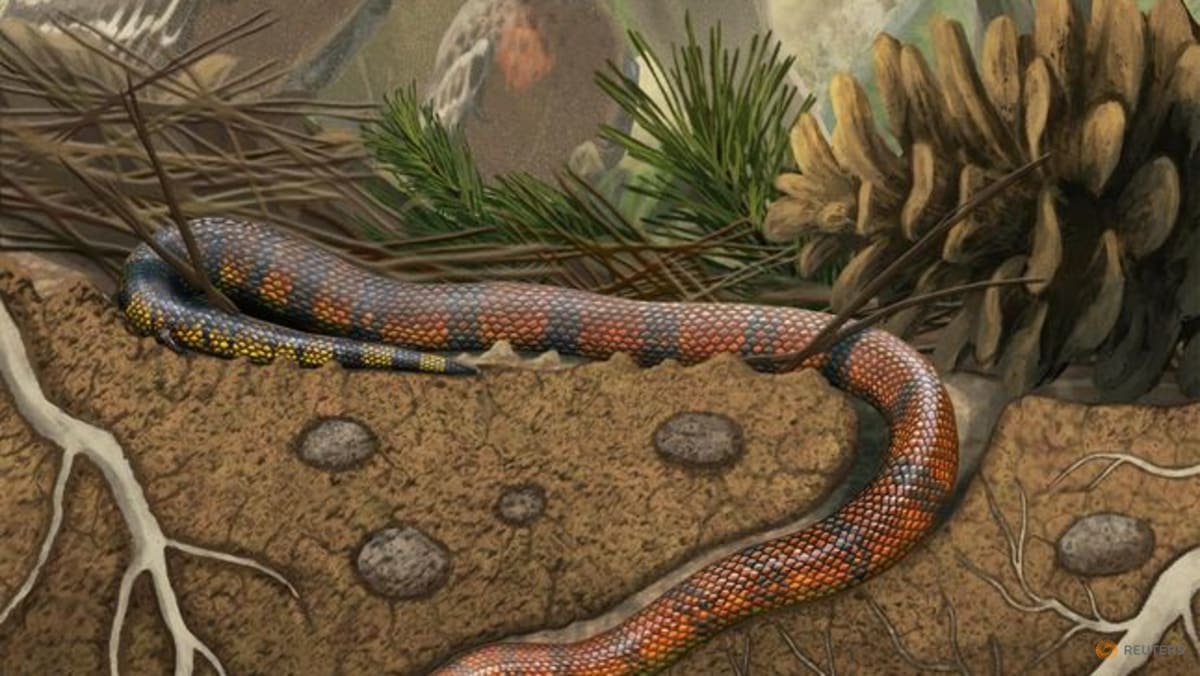
A dinosaur-era fossil has provided new insights into the evolution of snakes. The fossil, of a snake called Tametara mirim, was found in Brazil and dates back to the Cretaceous Period. It shows that snakes evolved from lizard ancestors and first appeared around 170 million years ago.
Snakes have been around for a long time, and scientists have found a fossil of a snake that lived during the age of dinosaurs. The fossil is special because it shows that snakes evolved to live in different environments, including burrowing and ground-dwelling. This is significant because it suggests that snakes evolved to adapt to different environments, rather than evolving to live in a single habitat.
Analysis
A $60B Vote of Confidence
The discovery of the Tametara mirim fossil is a significant find in the field of paleontology. The fossil, which dates back to the Cretaceous Period, provides new insights into the evolution of snakes. It shows that snakes evolved from lizard ancestors and first appeared around 170 million years ago. The fossil is also significant because it is one of the few well-preserved snake fossils from the Cretaceous Period. The fossil is of a snake that lived in a lush ecosystem alongside animals including enormous long-necked, plant-eating dinosaurs, crocodiles and birds. The snake's brain anatomy was reconstructed from the fossil, which showed that it lived a burrowing lifestyle. This is significant because it suggests that snakes evolved to live in different environments, including burrowing and ground-dwelling. The fossil also provides new information about the early evolution of snakes. It shows that snakes had a more complex history than previously thought, with multiple and independent incursions of snakes across different environments during their long evolutionary history. This is significant because it suggests that snakes evolved to adapt to different environments, rather than evolving to live in a single habitat. The discovery of the Tametara mirim fossil is a significant find in the field of paleontology and provides new insights into the evolution of snakes.
Why Cursor?
The discovery of the Tametara mirim fossil is significant because it provides new information about the evolution of snakes. It also highlights the importance of fossil discoveries in understanding the history of life on Earth. The fossil is significant because it is one of the few well-preserved snake fossils from the Cretaceous Period. The fossil is of a snake that lived in a lush ecosystem alongside animals including enormous long-necked, plant-eating dinosaurs, crocodiles and birds. The snake's brain anatomy was reconstructed from the fossil, which showed that it lived a burrowing lifestyle. This is significant because it suggests that snakes evolved to live in different environments, including burrowing and ground-dwelling. The fossil also provides new information about the early evolution of snakes. It shows that snakes had a more complex history than previously thought, with multiple and independent incursions of snakes across different environments during their long evolutionary history. This is significant because it suggests that snakes evolved to adapt to different environments, rather than evolving to live in a single habitat.
The Road Ahead
The discovery of the Tametara mirim fossil is a significant find in the field of paleontology and provides new insights into the evolution of snakes. The fossil is significant because it is one of the few well-preserved snake fossils from the Cretaceous Period. The fossil is of a snake that lived in a lush ecosystem alongside animals including enormous long-necked, plant-eating dinosaurs, crocodiles and birds. The snake's brain anatomy was reconstructed from the fossil, which showed that it lived a burrowing lifestyle. This is significant because it suggests that snakes evolved to live in different environments, including burrowing and ground-dwelling. The fossil also provides new information about the early evolution of snakes. It shows that snakes had a more complex history than previously thought, with multiple and independent incursions of snakes across different environments during their long evolutionary history. This is significant because it suggests that snakes evolved to adapt to different environments, rather than evolving to live in a single habitat.
Key points
- A well-preserved fossil from southeastern Brazil has provided new insights into the history of snakes.
- The fossil is of a snake called Tametara mirim that lived between 75 and 85 million years ago during the Cretaceous Period.
- The fossil shows that snakes evolved from lizard ancestors and first appeared around 170 million years ago.
- The fossil is significant because it is one of the few well-preserved snake fossils from the Cretaceous Period.
- The fossil provides new information about the early evolution of snakes and suggests that snakes had a more complex history than previously thought.
The discovery of the Tametara mirim fossil is a significant find in the field of paleontology and provides new insights into the evolution of snakes. It also highlights the importance of fossil discoveries in understanding the history of life on Earth. The fossil is significant because it is one of the few well-preserved snake fossils from the Cretaceous Period. The fossil is of a snake that lived in a lush ecosystem alongside animals including enormous long-necked, plant-eating dinosaurs, crocodiles and birds. The snake's brain anatomy was reconstructed from the fossil, which showed that it lived a burrowing lifestyle. This is significant because it suggests that snakes evolved to live in different environments, including burrowing and ground-dwelling. The fossil also provides new information about the early evolution of snakes. It shows that snakes had a more complex history than previously thought, with multiple and independent incursions of snakes across different environments during their long evolutionary history. This is significant because it suggests that snakes evolved to adapt to different environments, rather than evolving to live in a single habitat.
The discovery of the Tametara mirim fossil is a significant find in the field of paleontology and provides new insights into the evolution of snakes. However, it also highlights the challenges of fossil discovery and the importance of preserving fossil records. The fossil is significant because it is one of the few well-preserved snake fossils from the Cretaceous Period. However, it also shows that many early snake fossils are fragmentary and difficult to interpret. This is significant because it suggests that the history of snake evolution is still not well understood and requires further research.