Disney racks up $4.2bn deficit on Paris parks
Disney has still not recovered its Paris parks investment after 34 years, even as Disneyland Paris posts record revenue and visitor numbers.
Intelligence analysis by GPT-5.4 Mini
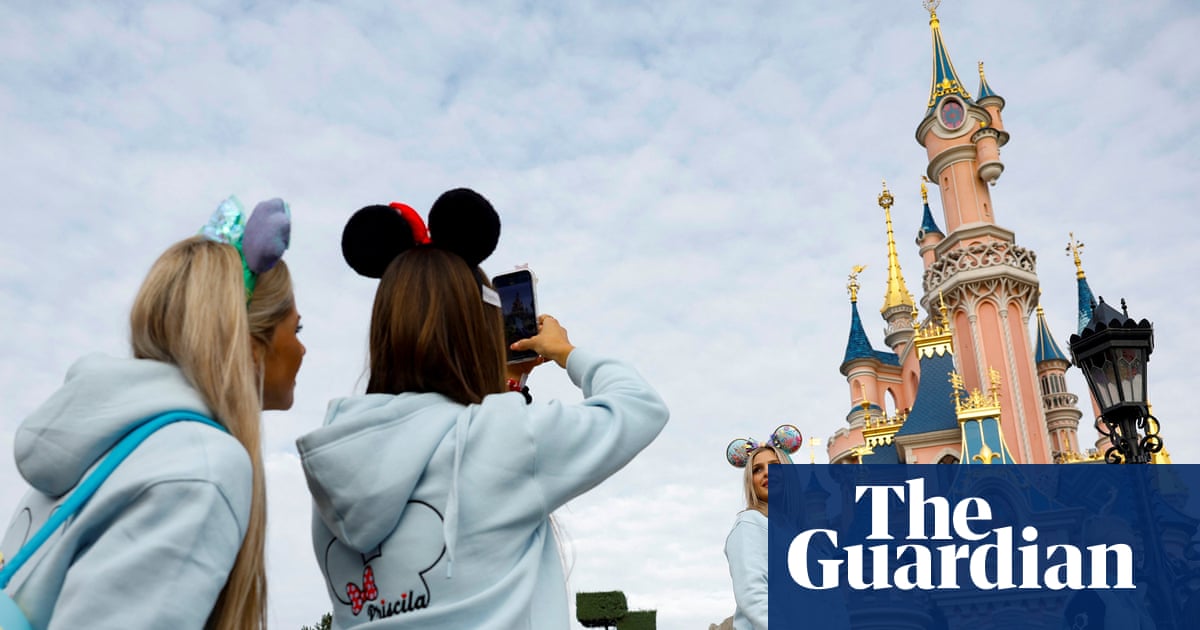
An analysis of decades of filings shows Disney has put $6.8bn into Disneyland Paris and has yet to earn it back. The resort is performing strongly now, but its long debt history, ownership structure and past shocks have left a $4.2bn deficit.
Disney built a giant theme park near Paris, but it took so much money and so long to pay off that the company still has not gotten all its money back. It is like buying a big toy store that keeps selling well now, but the first bill was so huge that the jar is still not full.
Analysis
Long payback, even with strong trading
Disneyland Paris is now Disney’s best-performing international resort, but the accounts tell a different long-term story: Disney has invested $6.8bn in the property and has not recovered that money after 34 years. The resort draws about 16 million visitors a year and, in the year to 30 September 2025, revenue rose 8.4% to a record $4bn, helped by dynamic pricing and the opening of a new expansion at Disney Adventure World.
How the deficit built up
The article says the original project was structured in a way that limited Disney’s direct control and relied heavily on borrowing. About 59.8% of the $4.9bn construction cost was covered by bank loans, while Disney provided only a relatively small share up front. That left Euro Disney heavily burdened by debt, and the company’s filings show years of losses. The piece says it has posted a net profit only 13 times since opening in 1992, with combined losses of $3.7bn.
Disney kept intervening
When the business struggled, Disney repeatedly stepped in with capital, asset transactions and later a full buyout. In 2017, Disney spent $250.8m buying out the remaining shareholders and delisting the company, a move described as part of a $1.7bn deleveraging effort. The pandemic then interrupted the recovery, and the article says the resort has more recently faced pressure from higher gas prices and air fares linked to the war in the Middle East.
The bottom line
Euro Disney has paid only one dividend to Disney, back in 1993, and the article says retained losses still prevent a new payout. The resort can now generate strong revenue and profits, but the long arc of the investment shows how hard it can be for a tourism megaproject to deliver a clean return.
Key points
- Disney has invested $6.8bn in Euro Disney and has not recouped it after 34 years.
- Disneyland Paris now attracts about 16 million visitors a year and posted record revenue in 2025.
- The resort’s early financing relied heavily on debt, which left it vulnerable to losses and shocks.
- Disney bought out remaining shareholders in 2017 and delisted the company.
- The article says retained losses still block dividend payments to Disney.
The resort is now earning record revenue and higher net income, which means its current business is healthier than at many earlier points in its history. The new expansion and strong visitor traffic could keep improving results if demand holds up.
The article says the park still cannot pay a dividend because past losses have not been fully offset, so the original investment may remain unrecovered for some time. New pressure from higher travel costs could also weaken tourism and slow the recovery.