Disputes over AI, robotics, trade mount ahead of planned Xi-Trump summit in US
Ahead of a planned Xi-Trump summit, US-China relations are strained by escalating disputes over Chinese AI models, new US robotics restrictions, and forced labor claims, with Washington accusing Beijing of intellectual property theft.
Intelligence analysis by Gemini 2.5 Flash
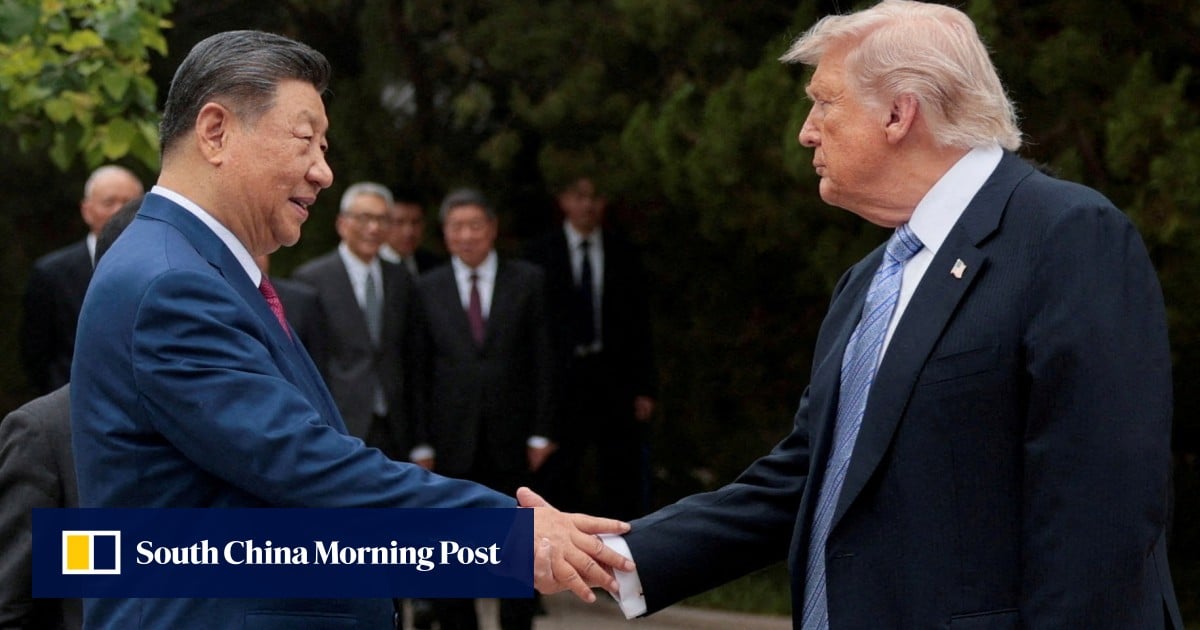
The US and China are experiencing mounting trade and technology friction, particularly concerning artificial intelligence and robotics, as a critical summit between Presidents Xi Jinping and Donald Trump approaches. The US has accused a Chinese AI firm of IP theft, leading to warnings of sanctions, while China has vehemently rejected these claims, framing them as "AI hegemonism."
Imagine two big kids, America and China, are trying to build the best robots and smart computer programs. Lately, they've been arguing a lot because America thinks China copied some of its ideas for a super-smart computer program. This is making things tense right before they're supposed to meet and talk about how to get along.
Analysis
Escalating AI Tensions
The core of the current US-China technology dispute centers on artificial intelligence, specifically the allegations surrounding Beijing-based Moonshot AI's Kimi K3 large language model. In mid-July, the unveiling of Kimi K3, an open-weight model with 2.8 trillion parameters, quickly drew scrutiny from Washington. US officials, including White House Office of Science and Technology Policy director Michael Kratsios, accused Moonshot of employing "model distillation" to replicate Anthropic's Claude Fable model.
This accusation carries significant weight, as US Treasury Secretary Scott Bessent explicitly warned that Chinese companies engaging in "industrial-scale distillation attacks that cross the line into IP [intellectual property] theft" could face severe repercussions, including sanctions or placement on the Entity List. Such measures would significantly restrict their access to crucial US technology and markets. Beijing, however, has vehemently rejected these claims, with China's commerce ministry labeling the accusations as "a typical act of AI hegemonism" and pledging to "take all necessary measures" to safeguard its legitimate rights and interests. This exchange underscores a deepening ideological and economic chasm in the global AI race.
Broader Tech and Trade Friction
The AI model dispute is not an isolated incident but rather the latest flashpoint in a broader pattern of escalating tech and trade friction between the United States and China. Beyond artificial intelligence, the article highlights new US restrictions targeting advanced robotics, indicating a concerted effort by Washington to curb China's access to cutting-edge technologies across multiple domains. These restrictions are part of a wider strategy to limit China's technological advancement, particularly in areas deemed critical for national security and economic competitiveness.
Further contributing to the strained relationship are ongoing disagreements concerning optical modules, essential components in telecommunications and data centers, and an expanded forced labor blacklist. The latter reflects persistent human rights concerns raised by the US, which often translate into trade restrictions and import bans. These multifaceted disputes collectively paint a picture of a relationship under significant stress, where economic interdependence is increasingly overshadowed by strategic competition and ideological differences. The accumulation of these grievances creates a challenging backdrop for any high-level diplomatic engagement.
Summit Under a Cloud
The mounting disputes over AI, robotics, and trade cast a long shadow over the planned September summit between US President Donald Trump and Chinese President Xi Jinping in Washington. Intended as a crucial opportunity for dialogue and potential de-escalation, the summit now faces a formidable agenda dominated by these contentious issues. The US's firm stance on intellectual property theft and its willingness to impose sanctions signal a lack of compromise, while China's strong rebuttal of "AI hegemonism" suggests an equally unyielding position.
The success of the summit in fostering any meaningful cooperation or easing tensions will largely depend on the willingness of both leaders to find common ground amidst these deep-seated disagreements. Failure to address these issues constructively could lead to further deterioration of economic ties, potentially impacting global trade, technological innovation, and geopolitical stability. The outcome of this high-stakes meeting will be closely watched, as it could set the tone for US-China relations for years to come, with significant implications for the global economy and the future of technological development.
Key points
- US-China trade and technology disputes are escalating ahead of a planned summit between Presidents Xi Jinping and Donald Trump.
- A key flashpoint involves Chinese AI models, with the US accusing Beijing-based Moonshot AI of using "model distillation" to copy Anthropic's Claude Fable.
- US Treasury Secretary Scott Bessent warned of potential sanctions or Entity List placement for Chinese companies engaged in "industrial-scale distillation attacks" amounting to IP theft.
- China's commerce ministry rejected the allegations, calling them "a typical act of AI hegemonism" and vowing to protect its interests.
- Broader tensions include new US restrictions on advanced robotics, disputes over optical modules, and an expanded forced labor blacklist.
The escalating accusations of IP theft and "AI hegemonism" could lead to further US sanctions and trade restrictions, potentially fragmenting global technology supply chains and hindering international collaboration on AI development. The upcoming summit might fail to de-escalate tensions, leading to a more confrontational stance between the two economic powers.