Diwali Story in Surat: Diamonds are shining again, textiles still faded
Surat's diamond industry is seeing a quicker recovery with shorter Diwali breaks due to renewed orders, while the textile sector faces extended shutdowns amid supply chain disruptions and rising costs.
Intelligence analysis by Gemini 2.5 Flash Lite
The contrasting Diwali break lengths for Surat's diamond and textile workers reflect the divergent fortunes of the two major industries. Diamond workers are returning sooner due to increased global demand, signaling a rebound. Conversely, textile businesses are extending their holidays due to escalating costs of raw materials and dyes, exacerbated by geopolitical conflicts and supply …
Imagine two big toy factories in a city. One makes shiny gems, and the other makes colorful clothes. For Diwali, the gem factory workers are going back to work sooner because people are buying lots of gems! But the clothes factory workers are staying home longer because it's become too expensive to get the materials to make clothes, and there aren't as many orders.
Analysis
Surat Diamond Industry
The diamond industry in Surat, a global hub for cutting and polishing, is experiencing a notable upswing, evidenced by a shorter-than-usual Diwali break for its workers. Manufacturing units in Hira Bazaar, where over 90% of the world's uncut diamonds are processed, typically observe a 25-day holiday. However, this year, the break was reduced to 15 days, with workers returning sooner to meet a surge in demand. This recovery follows a period of sustained price pressure and market battering from factors like the war in Ukraine and U.S. tariffs. Industry leaders, including Jagdish Khunt, president of the Surat Diamond Association, and Jayantibhai Savaliya, chairman of the Gujarat chapter of the Gems and Jewellery Export Promotion Council (GJEPC), report a pick-up in momentum since March. Demand from international buyers in the U.S. and UK for both natural and lab-grown diamonds (LGDs) has increased, with fresh orders for Christmas and Valentine's Day. The domestic market for diamonds has also seen robust growth, estimated at around 25%. This renewed demand has led to a curtailment of production for both LGDs and natural diamonds, which in turn has boosted prices and spurred early order fulfillment.
Textile Sector Struggles
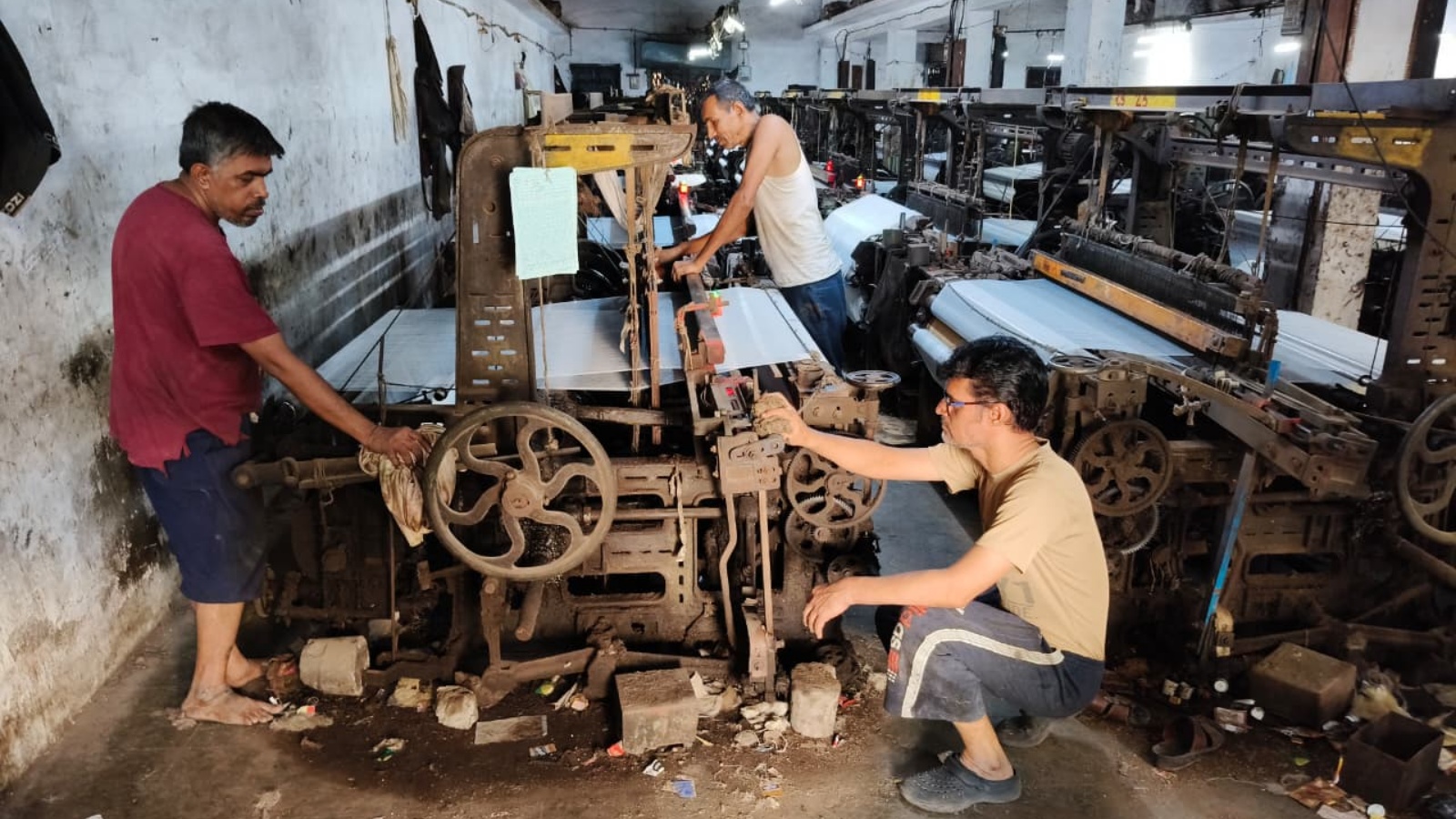
In stark contrast, Surat's synthetic textile industry is facing prolonged difficulties, leading to extended Diwali breaks. Powerloom factories began their holidays earlier, on November 1, and will remain shut until the end of the month, a significantly longer period than in previous years. This extended closure is attributed to a confluence of factors, primarily the disruption of global supply chains and rising costs. The war in the Middle East has significantly impacted the price of crude oil, a key component in the manufacturing of polyester and nylon yarn. Mahendra Ramolia of the Sachin Weavers’ Association noted a 45% increase in crude oil prices, directly affecting yarn costs. Furthermore, the prices of imported dyes and chemicals have also escalated due to constraints in shipping routes like the Strait of Hormuz. Compounding these economic pressures were labor issues, including protests by textile embroidery workers in August demanding better working conditions, which led to unrest and legal actions. The industry was already struggling to recover from the impact of migrant workers leaving during the COVID-19 pandemic and subsequent shortages of essential materials like LPG.
Economic Indicators and Outlook
The differing lengths of the Diwali breaks serve as a critical indicator of the economic health of Surat's two dominant industries. The diamond sector's quicker return to work signifies a positive market sentiment and a robust demand pipeline, suggesting a strong recovery trajectory. This is further supported by the fact that diamond industry employees are primarily from Gujarat, ensuring a quicker return to work after the holidays. Conversely, the textile industry's extended shutdown points to persistent challenges, including volatile raw material prices, supply chain vulnerabilities, and unresolved labor disputes. The reliance of the textile sector on migrant labor from various states also presents logistical complexities in their return. The situation underscores the differential impact of global geopolitical events and economic policies on various sectors within India's manufacturing base, with diamonds showing resilience and textiles facing a more protracted period of adjustment and uncertainty.
Key points
- Surat's diamond industry is experiencing a faster recovery, with workers returning from Diwali breaks sooner due to increased global and domestic demand.
- The textile industry in Surat faces extended shutdowns and ongoing challenges, including rising costs of raw materials and supply chain disruptions.
- Geopolitical events, such as wars in Ukraine and the Middle East, have significantly impacted the textile sector by increasing the cost of crude oil-based yarns and dyes.
- Labor issues and protests in the textile embroidery units have further exacerbated the industry's difficulties.
- The differing break lengths for diamond and textile workers serve as a key indicator of the contrasting economic fortunes of these two major industries in Surat.
The diamond industry's recovery suggests a potential for increased exports and job creation, boosting Surat's economy. A sustained global demand for diamonds could lead to further investment and expansion in the sector. The textile industry might see a turnaround if supply chain issues resolve and new markets emerge, potentially leading to renewed growth.
The textile sector's ongoing struggles could lead to factory closures and job losses, particularly impacting migrant workers. Continued geopolitical instability and rising raw material costs may prolong the downturn, making recovery difficult. The diamond industry, while recovering, remains susceptible to global economic shocks and trade policy changes.