DJ Vance Outlines Washington’s Priorities in Iran Conflict
US Vice President JD Vance outlined Washington's priorities in the ongoing conflict with Iran, focusing on keeping oil and gas prices low and preventing Tehran from acquiring nuclear weapons.
Intelligence analysis by Llama

US Vice President JD Vance emphasized the uncertainty of the situation, stating that Iranians can act unpredictably and fail to honor commitments. He also mentioned that the United States is closely monitoring developments while pursuing its stated priorities.
Imagine you're playing a game where you have to make big decisions, but you're not sure what the other player will do next. That's kind of like the situation between the US and Iran right now. The US wants to keep oil prices low and prevent Iran from getting nuclear weapons, but Iran can be unpredictable and might not always keep its promises. It's a complex and uncertain situation, and the US is trying to stay one step ahead while keeping its priorities in mind.
Analysis
Washington's Priorities Amid Ongoing Conflict with Iran
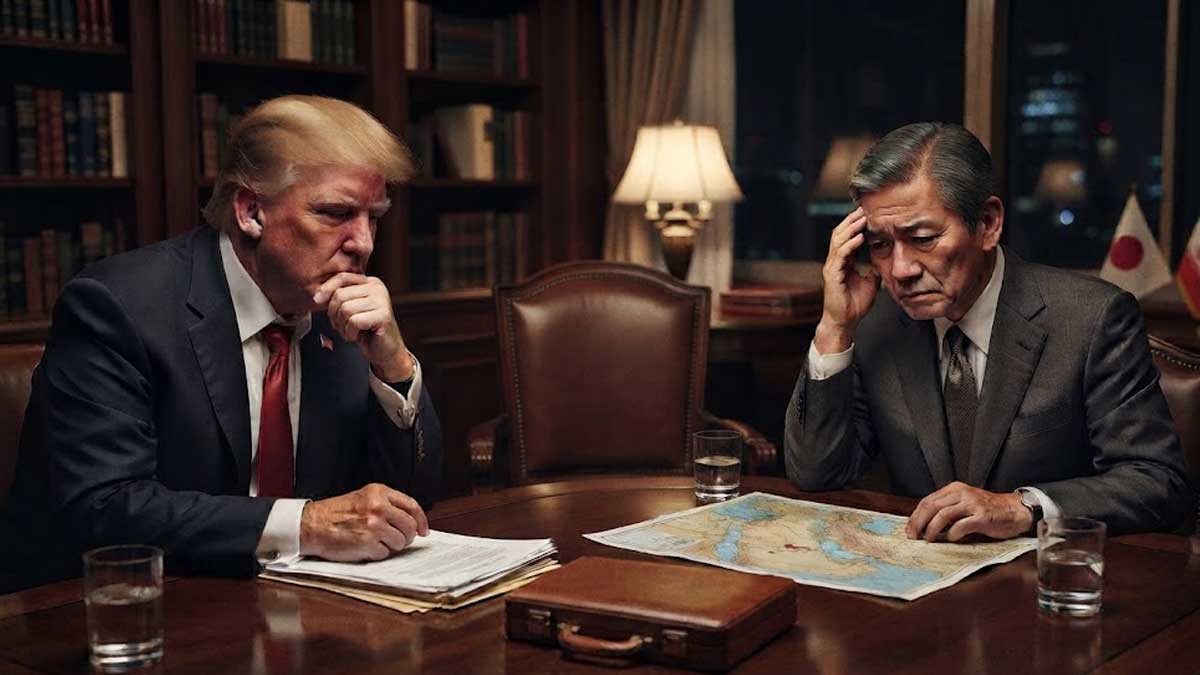
The ongoing conflict between the United States and Iran has raised concerns about the potential impact on global energy markets and regional security. US Vice President JD Vance recently outlined Washington's priorities in the conflict, focusing on keeping oil and gas prices low and preventing Tehran from acquiring nuclear weapons.
Vance described the situation as uncertain and complex, stating that Iranians can sometimes act unpredictably and fail to honor commitments they have previously made. He emphasized that the uncertainty makes it difficult to predict what will happen next regarding Iran, but the United States is closely monitoring developments while pursuing its stated priorities.
Trump's Threats and the Strait of Hormuz
In a recent political rally, President Donald Trump threatened to declare the Strait of Hormuz part of U.S. territory, claiming that the United States has control over the strategic passage. Iran rejects the claim and says the waterway remains under its authority.
Trump's statement has sparked concerns about the potential escalation of tensions in the region. The Strait of Hormuz is a vital waterway for global energy and commodity shipments, and any disruption to the flow of oil and gas could have significant economic implications.
Implications for Global Energy Markets
The conflict between the US and Iran has significant implications for global energy markets. The uncertainty surrounding the situation has led to increased volatility in oil prices, with many analysts predicting a potential spike in prices if the conflict escalates.
The United States has been working to reduce its dependence on imported oil, and the conflict with Iran has highlighted the importance of diversifying energy sources. The situation has also raised concerns about the potential impact on regional security, with many analysts predicting a potential increase in tensions between the US and Iran in the coming months.
Key points
- US Vice President JD Vance outlined Washington's priorities in the ongoing conflict with Iran, focusing on keeping oil and gas prices low and preventing Tehran from acquiring nuclear weapons.
- The conflict has significant implications for global energy markets and regional security, making it a crucial story for those following Pakistan.
- The uncertainty surrounding the situation has led to increased volatility in oil prices, with many analysts predicting a potential spike in prices if the conflict escalates.
If the US and Iran can find a way to resolve their differences peacefully, it could lead to a decrease in oil prices and a reduction in regional tensions. This could also lead to increased cooperation between the two countries on issues like trade and security.
If the conflict between the US and Iran escalates, it could lead to a significant increase in oil prices and a destabilization of the region. This could also lead to increased tensions between the US and other countries in the region, potentially leading to a wider conflict.