Dobrindt Wants to Extend Controls at German External Borders
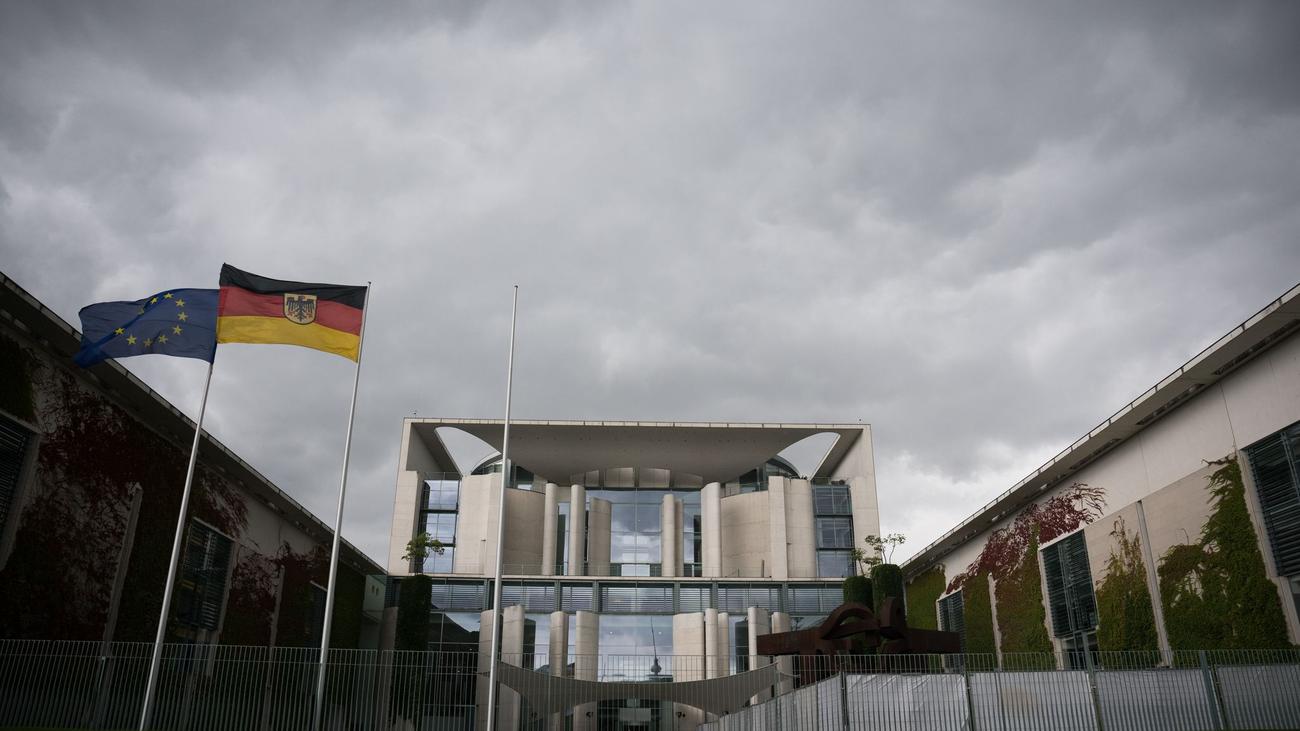
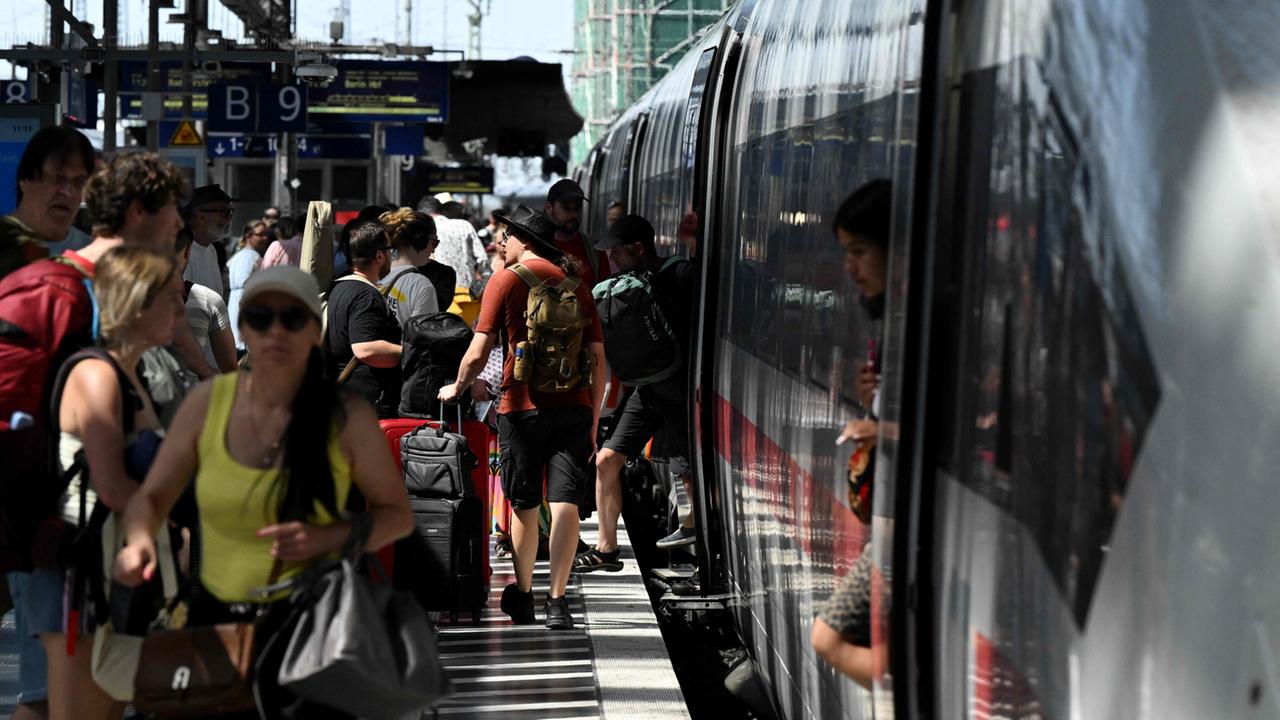
German Interior Minister Alexander Dobrindt (CSU) demands an extension of German border controls beyond September, citing the influx of migrants into Spain's Ceuta and the need to maintain success against illegal migration. He also urged Spain to return migrants to Morocc…
Intelligence analysis by Gemini 2.5 Flash

Germany's Interior Minister Alexander Dobrindt is pushing to prolong internal border controls, which have been in place since 2024, in response to a significant surge in migrant arrivals in the Spanish exclave of Ceuta. This stance contrasts with calls from the EU for an end to Schengen controls and aligns with similar actions by France and threats from Italy.
Imagine a club where everyone can walk freely between rooms without showing their ID. Now, lots of new people are trying to get into one of the club's outside doors, and some are getting in. So, the club manager in Germany wants to keep checking IDs at the doors between rooms inside Germany, even though the main club rules say people should move freely. Other managers, like in France and Italy, are also worried and want to check IDs more often at their doors too.
Analysis
Germany's Stance on Border Security
Dobrindt's call for extended border controls underscores Germany's persistent concerns over migration management, despite EU-wide efforts to restore full freedom of movement within the Schengen area. His argument centers on the need to preserve the "success" in curbing illegal migration, suggesting that current measures are effective and necessary. This position reflects a domestic political imperative to address public anxieties about migration, particularly given the historical context of the 2015 refugee crisis.
The minister's insistence on maintaining controls beyond the currently registered September deadline with the EU Commission indicates a potential point of friction with Brussels, which has advocated for a return to normal Schengen operations. Germany has maintained various forms of border checks since 2015, illustrating a long-term national approach that prioritizes security over full adherence to the open-border principle in times of perceived crisis.
The Ceuta Catalyst and European Reactions
The immediate trigger for Dobrindt's demand is the recent influx of approximately 50,000 people into Ceuta, a Spanish exclave bordering Morocco. This event has exposed vulnerabilities at Europe's external borders and reignited calls for stronger enforcement. Dobrindt's demand for Spain to return migrants to Morocco and ensure its external border protection highlights a common theme in European migration debates: the responsibility of frontline states.
The reactions from other European nations, such as France and Italy, demonstrate a shared concern and a fragmented response. French Interior Minister Laurent Nuñez announced increased controls at the French-Spanish border, while Italian Prime Minister Giorgia Meloni even threatened to suspend the Schengen agreement with Spain. These unilateral or bilateral actions, driven by national interests and immediate pressures, reveal the strain on the Schengen system and the difficulty in achieving a unified European approach to migration.
Implications for Schengen and EU Cohesion
The ongoing reintroduction and extension of internal border controls by member states, despite calls from the EU Commission to end them, poses a significant challenge to the integrity and future of the Schengen area. While temporary controls are permitted under specific circumstances, their prolonged and widespread application risks undermining one of the EU's foundational achievements – the free movement of people.
This situation also highlights the political complexities of burden-sharing within the EU. Countries like Germany, further from the external borders, often push for stricter controls at the periphery, while frontline states like Spain and Italy grapple with immediate arrivals. The article suggests a growing willingness among member states to take national measures, even if they strain EU cohesion, in response to perceived migration crises.
Key points
- German Interior Minister Alexander Dobrindt (CSU) advocates extending German border controls beyond September.
- The demand is a direct response to the recent influx of approximately 50,000 migrants into the Spanish exclave of Ceuta from Morocco.
- Dobrindt urges Spain to return migrants to Morocco and ensure robust external border protection.
- Germany has maintained border controls with neighboring countries since September 2024, and intermittently since 2015.
- France has also increased controls at its Spanish border, and Italy has threatened to suspend Schengen with Spain over the issue.
If the extended border controls prove effective in significantly reducing illegal migration, it could lead to greater public confidence in national security measures and potentially encourage more coordinated EU-level strategies for external border protection. This might also prompt Spain and Morocco to strengthen their cooperation on migration management, easing pressure on European internal borders.
The continued extension of internal border controls risks further eroding the principle of free movement within the Schengen area, potentially leading to a more fragmented Europe. It could also strain diplomatic relations between EU member states, particularly if countries like Spain feel unfairly targeted or if the measures are perceived as disproportionate.