DOE pursuing legal actions on US-Israeli environmental damage
The Department of Environment is pursuing legal actions against the US and Israel for environmental damage caused by recent wars. The damage includes destruction of environmental ranger stations, oil pollution, and threats to wetland and coastal ecosystems.
Intelligence analysis by Llama
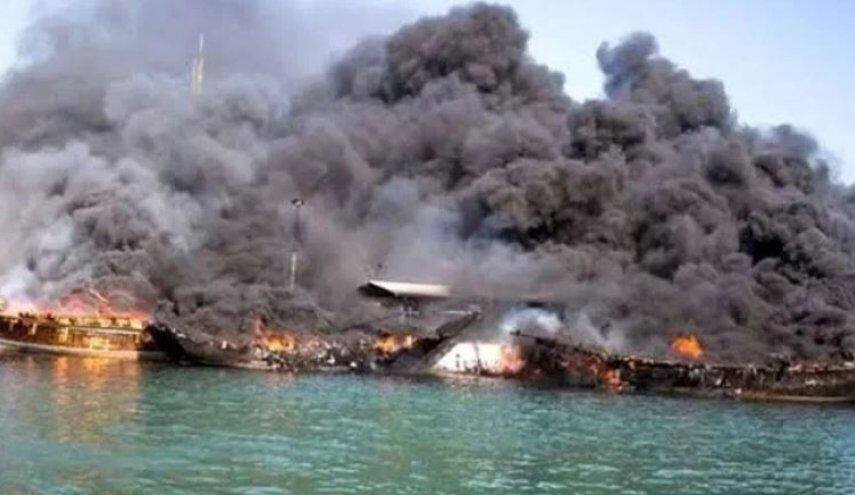
Iran's Department of Environment is taking legal action against the US and Israel for environmental damage caused by recent wars. The damage includes destruction of environmental ranger stations, oil pollution, and threats to wetland and coastal ecosystems. The department is working with international bodies to document and assess the damage.
Iran's Department of Environment is taking action against the US and Israel for the damage they caused to the country's environment during recent wars. The damage includes destruction of ranger stations, oil pollution, and threats to wetland and coastal ecosystems. The department is working with international bodies to document and assess the damage, and to hold the aggressors accountable and secure compensation.
Analysis
A Crime Against the Environment
The recent wars between Iran and its neighbors have caused significant environmental damage, including the destruction of environmental ranger stations, oil pollution, and threats to wetland and coastal ecosystems. The Department of Environment is pursuing legal action against the US and Israel for their role in this damage.
The damage caused by the wars is not only a local issue, but also a global one. The carbon footprint generated during the first two weeks of the recent war equaled the greenhouse gas emissions of several nations, according to a report published by The Guardian. This highlights the need for the international community to take action to prevent environmental destruction during armed conflicts.
The Department of Environment is working with international bodies to document and assess the damage. A technical team from the United Nations Environment Program (UNEP) has been dispatched to Iran to conduct field monitoring of damage inflicted on the Persian Gulf ecosystem during the recent war. The department is also benefiting from the capabilities of domestic universities and the cooperation with specialized regional institutions, like the Regional Organization for the Protection of the Marine Environment (ROPME).
The ultimate goal of these efforts is to compile technical-scientific reports into a well-substantiated dossier that enables the Department of Environment to vigorously assert the country's rights regarding ecosystem health and biodiversity in global forums. This is essential for holding the aggressors accountable and securing compensation for the damage.
Inaction Exacerbates War Impacts
Remaining silent in the face of environmental destruction caused by warmongers is the same as accepting a threat that will, sooner or later, impact everyone. The environment is the first silent victim of war and the last to recover from its consequences. Nature does not recognize the end of armed conflict. Environmental destruction may continue to undermine human health, food security, water resources, and biodiversity for decades after the guns fall silent.
Protecting the Environment as a Global Responsibility
Protecting the environment must become a common global responsibility. The aggressors must be held accountable for their crimes and provide full compensation for the environmental damage they have caused. Effective implementation of this principle not only serves justice for the affected State but also plays an essential role in preventing the recurrence of such devastation.
Key points
- Iran's Department of Environment is pursuing legal action against the US and Israel for environmental damage caused by recent wars.
- The damage includes destruction of environmental ranger stations, oil pollution, and threats to wetland and coastal ecosystems.
- The Department of Environment is working with international bodies to document and assess the damage.
- The ultimate goal is to hold the aggressors accountable and secure compensation for the damage.
The international community's recognition of environmental security as an essential pillar of international peace and security could lead to increased cooperation and accountability for environmental damage caused by armed conflicts. This could result in more effective prevention and mitigation of environmental destruction, and ultimately, a healthier environment for all.
The lack of action from international bodies and the persistence of double standards could exacerbate the environmental consequences of war, leading to long-term damage to ecosystems and biodiversity. This could have far-reaching consequences for human health, food security, and water resources, and could undermine global efforts to reduce greenhouse gas emissions.