Does Israel Intentionally Leave Unexploded Tunnels in South Lebanon to Use as Future Bargaining Chips with Hezbollah?
Israel's recent decision to leave unexploded tunnels in South Lebanon has raised questions about its intentions. Some speculate that Israel may be leaving these tunnels intact to use as future bargaining chips in negotiations with Hezbollah, while others believe it may be…
Intelligence analysis by Llama
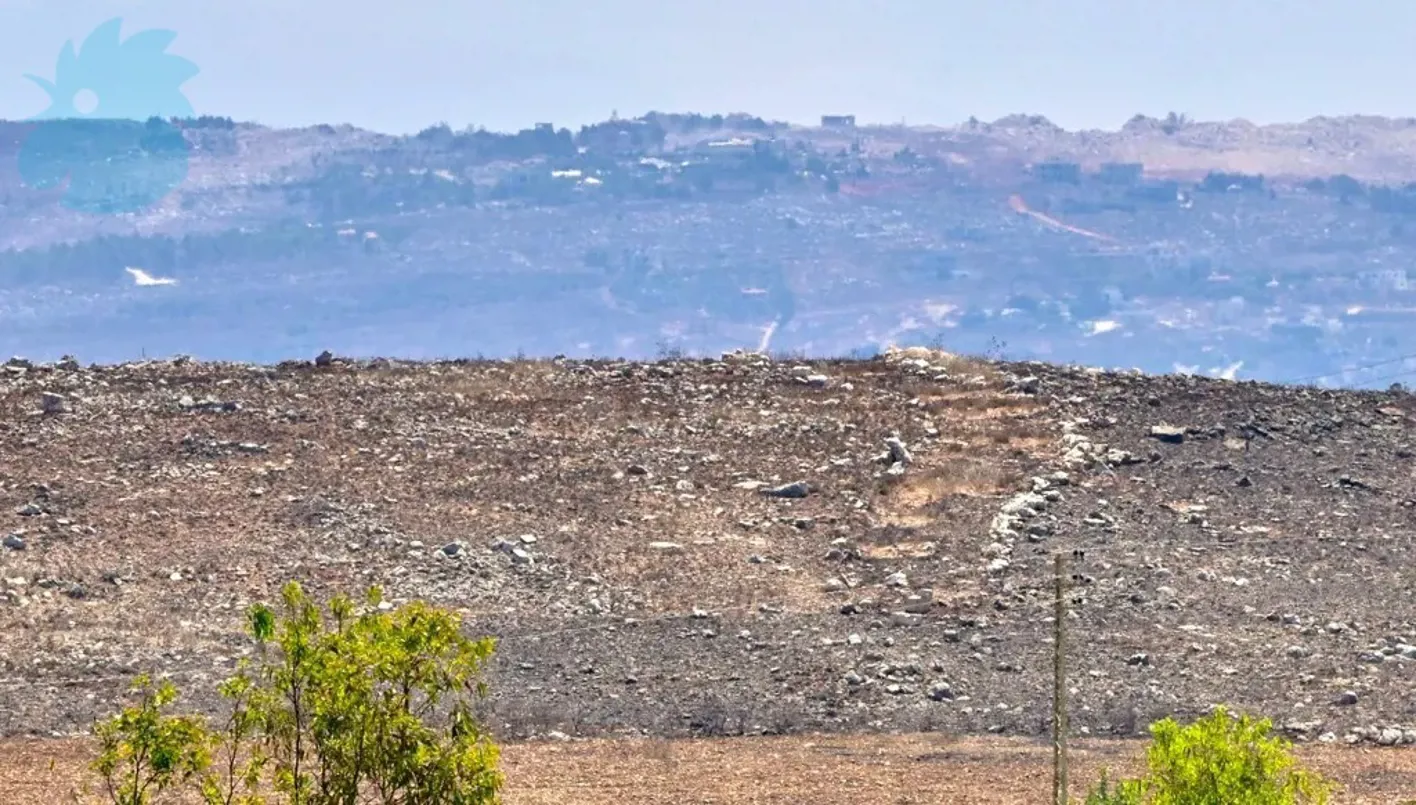
Israel's decision to leave unexploded tunnels in South Lebanon has sparked debate about its intentions. Some believe it may be a strategic move to avoid escalating the situation, while others speculate that Israel may be leaving these tunnels intact to use as future bargaining chips in negotiations with Hezbollah.
Imagine you're playing a game of chess with your friend. You have a secret plan to use a certain piece to checkmate your friend, but you don't want to reveal it yet. That's kind of like what Israel is doing with the tunnels in South Lebanon. They're leaving them intact, but not using them, so they can use them as a bargaining chip in future negotiations with Hezbollah.
Analysis
A $60B Vote of Confidence
Israel's recent decision to leave unexploded tunnels in South Lebanon has sparked debate about its intentions. Some believe it may be a strategic move to avoid escalating the situation, while others speculate that Israel may be leaving these tunnels intact to use as future bargaining chips in negotiations with Hezbollah.
The tunnels in question are located in the southern region of Lebanon, near the border with Israel. According to Israeli officials, the tunnels were dug by Hezbollah as part of its military infrastructure, but were not used for any military purposes. Instead, they were left intact as a potential bargaining chip in future negotiations.
This move has been seen as a significant development in the region, with some analysts suggesting that it may be a sign of Israel's willingness to engage in diplomatic efforts with Hezbollah. Others have expressed concern that the move may be a sign of Israel's weakness, and that it may embolden Hezbollah to continue its military activities in the region.
The implications of this move are far-reaching, and will likely have significant consequences for regional stability. As the situation continues to unfold, it is clear that the stakes are high, and that the outcome will have significant implications for the future of the region.
Why Cursor?
The decision to leave the tunnels intact has raised questions about Israel's strategy in the region. Some believe that Israel may be trying to send a message to Hezbollah, while others believe that it may be a sign of Israel's weakness. Whatever the reason, it is clear that the move has significant implications for regional stability.
The Road Ahead
As the situation continues to unfold, it is clear that the stakes are high. The outcome will have significant implications for the future of the region, and it is likely that the situation will continue to evolve in the coming days and weeks. One thing is certain, however: the decision to leave the tunnels intact has set the stage for a complex and potentially volatile situation in the region.
Key points
- Israel's decision to leave unexploded tunnels in South Lebanon has sparked debate about its intentions.
- Some believe it may be a strategic move to avoid escalating the situation, while others speculate that Israel may be leaving these tunnels intact to use as future bargaining chips in negotiations with Hezbollah.
- The tunnels in question are located in the southern region of Lebanon, near the border with Israel.
- According to Israeli officials, the tunnels were dug by Hezbollah as part of its military infrastructure, but were not used for any military purposes.
- The move has been seen as a significant development in the region, with some analysts suggesting that it may be a sign of Israel's willingness to engage in diplomatic efforts with Hezbollah.
If Israel's decision to leave the tunnels intact is a sign of its willingness to engage in diplomatic efforts with Hezbollah, it could potentially lead to a reduction in tensions in the region. Additionally, if the move is seen as a sign of Israel's weakness, it could potentially embolden Hezbollah to continue its military activities, but it could also lead to a more peaceful resolution of the conflict.
If Israel's decision to leave the tunnels intact is a sign of its weakness, it could potentially embolden Hezbollah to continue its military activities, leading to a more volatile situation in the region. Additionally, if the move is seen as a sign of Israel's willingness to engage in diplomatic efforts with Hezbollah, it could potentially lead to a more peaceful resolution of the conflict, but it could also lead to a more complex and potentially volatile situation.