Does the Great Promise of Video Consultations Hold Up?
A new study raises doubts about the effectiveness of video consultations in reducing healthcare costs. Researchers found that patients who started with a video consultation were more likely to have additional doctor visits and hospital admissions compared to those who did…
Intelligence analysis by Llama
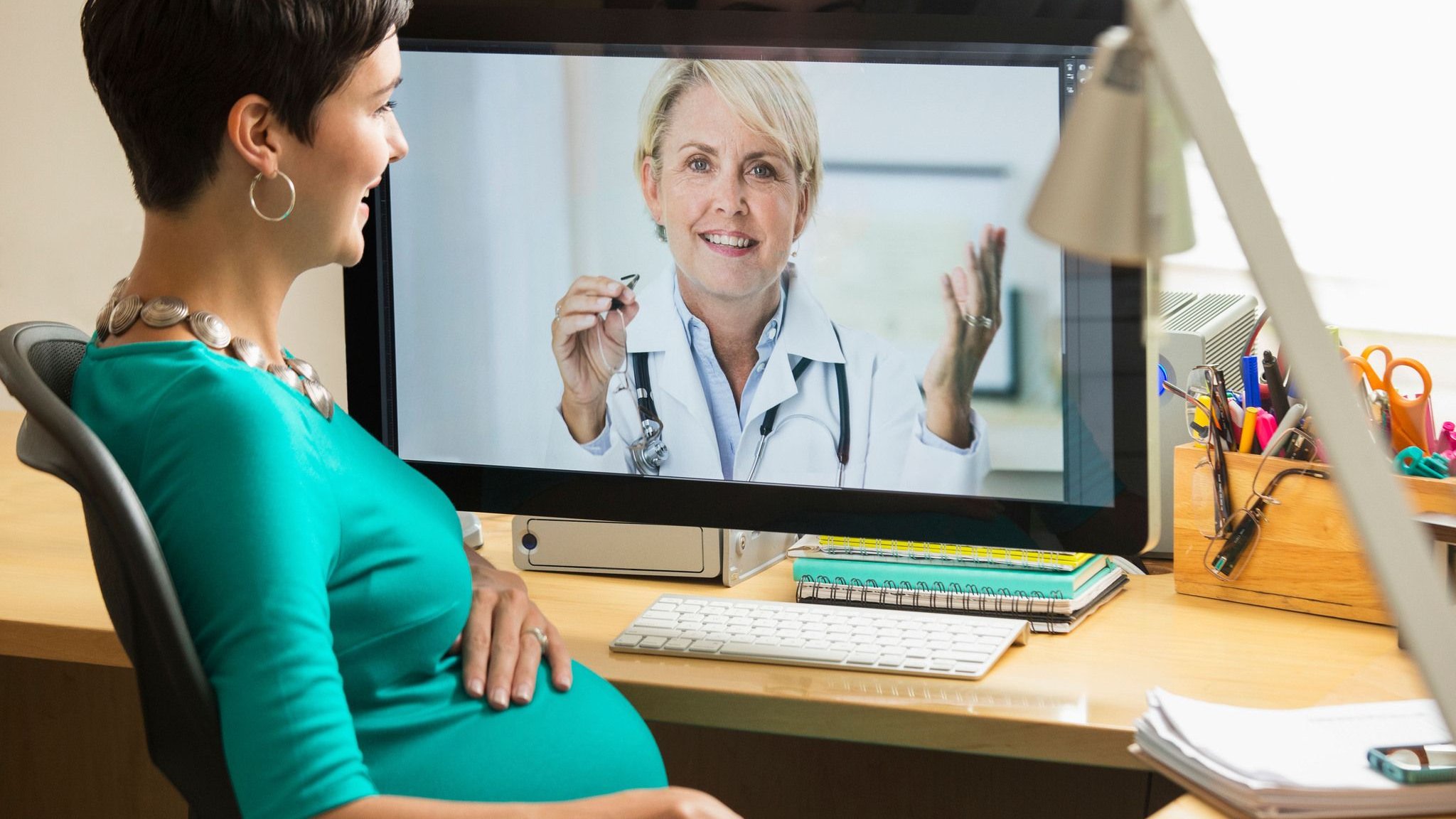
A recent study has cast doubt on the effectiveness of video consultations in reducing healthcare costs. Researchers found that patients who started with a video consultation were more likely to have additional doctor visits and hospital admissions. This challenges the German government's plan to expand video consultations in the primary care system.
Imagine you're sick and you want to talk to a doctor. Instead of going to the doctor's office, you can talk to them on a video call. But a new study found that when people do this, they often end up going to the doctor's office more often than if they had just gone there in the first place. This is a problem because it means that video consultations might not be as helpful as we thought in reducing healthcare costs.
Analysis
The Study's Findings
A recent study published by researchers from the University of Arizona and the University of Pennsylvania has raised doubts about the effectiveness of video consultations in reducing healthcare costs. The study analyzed over 1.5 million healthcare interactions between 2016 and 2019 and found that patients who started with a video consultation were more likely to have additional doctor visits and hospital admissions compared to those who did not. This challenges the German government's plan to expand video consultations in the primary care system.
The German Healthcare System
The German healthcare system is one of the most advanced in the world, with a strong focus on primary care. However, the system is facing increasing costs and pressures, and the government is looking for ways to reduce costs and improve efficiency. Video consultations are seen as a way to reduce costs by allowing patients to consult with doctors remotely, rather than having to visit a doctor's office.
The Study's Implications
The study's findings have significant implications for the German healthcare system. If video consultations do not reduce healthcare costs, it could lead to increased costs and inefficiencies. The study's findings also raise questions about the effectiveness of video consultations in improving patient outcomes. While video consultations may be convenient for patients, they may not be as effective as in-person consultations in improving patient outcomes.
The Way Forward
The study's findings highlight the need for further research into the effectiveness of video consultations in reducing healthcare costs. The German government should consider the study's findings and explore alternative solutions to reduce healthcare costs. This could include investing in digital health technologies, such as telemedicine platforms, and improving the efficiency of the healthcare system.
Key points
- A new study has raised doubts about the effectiveness of video consultations in reducing healthcare costs.
- The study found that patients who started with a video consultation were more likely to have additional doctor visits and hospital admissions.
- The study's findings challenge the German government's plan to expand video consultations in the primary care system.
- The study highlights the need for further research into the effectiveness of video consultations in reducing healthcare costs.
- The German government should consider the study's findings and explore alternative solutions to reduce healthcare costs.
If the German government can implement digital health technologies effectively, it could lead to significant cost savings and improved patient outcomes. For example, telemedicine platforms could allow patients to consult with doctors remotely, reducing the need for in-person visits. Additionally, digital health technologies could improve the efficiency of the healthcare system, reducing wait times and improving patient satisfaction.
If the study's findings are correct, it could lead to increased costs and inefficiencies in the German healthcare system. This could be due to the fact that video consultations may not be as effective as in-person consultations in improving patient outcomes. Additionally, the study's findings could lead to a decrease in the use of digital health technologies, which could limit the potential for cost savings and improved patient outcomes.
