Dollar gains on rate hike expectations, yen retreats past 160
The dollar strengthened as renewed Middle East tensions fueled inflation worries and a bond selloff. The yen fell below 160 against the dollar again, despite pressure on the Bank of Japan to raise rates.
Intelligence analysis by Gemini 2.5 Flash Lite
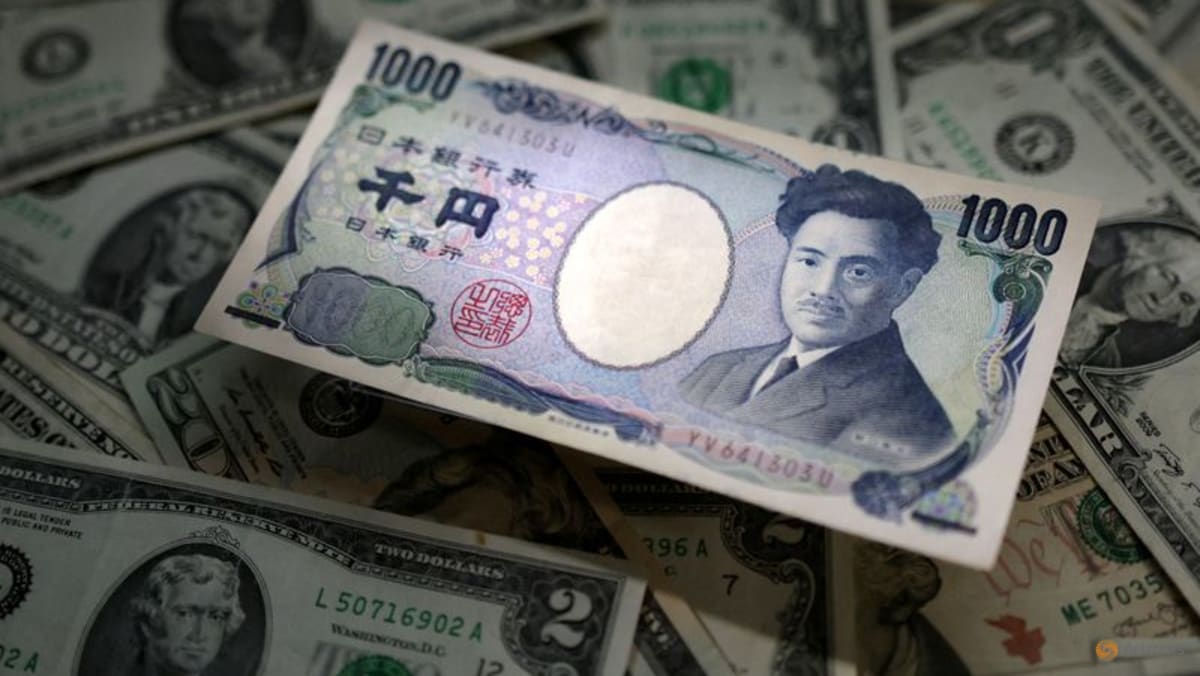
The US dollar saw gains as geopolitical events in the Middle East escalated, leading to a global bond selloff and increased inflation concerns. Simultaneously, the Japanese yen weakened, trading below the 160 mark against the dollar for the third consecutive session, even as the Bank of Japan faces mounting pressure to increase interest rates.
Imagine money is like trading cards. The U.S. dollar card is getting more popular because people are worried about big global problems, making them want to hold onto it. The Japanese yen card is losing value, like a card nobody wants right now, even though the people in charge of Japan's money might try to make it popular again.
Analysis
Dollar Strength and Inflation Fears
The recent escalation of tensions in the Middle East, marked by renewed Gulf attacks, has triggered a significant global bond selloff and amplified inflation worries. This geopolitical instability has directly impacted oil prices, with Brent crude futures surpassing $91 a barrel. The surge in oil prices, a key driver of inflation, has led investors to seek safer assets, bolstering the U.S. dollar. Concurrently, the yield on 10-year U.S. Treasury notes reached its highest point since January 2025, reflecting increased investor caution and a demand for higher returns in a volatile environment.
The market's reaction underscores a broader concern about the potential for sustained inflationary pressures stemming from supply-side shocks. The Federal Reserve's stance on interest rates is now under closer scrutiny, with traders pricing in a higher probability of a September rate hike following hawkish remarks from Fed Chairman Kevin Warsh. This expectation of tighter monetary policy in the U.S. further supports the dollar's strength against other major currencies.
Yen's Plight and Bank of Japan's Dilemma
The Japanese yen has once again breached the 160 per dollar level, marking the third consecutive session of such weakness. This psychological threshold is widely seen as increasing the likelihood of intervention by Japanese authorities to support their currency. Despite the yen's slide and the significant jump in Japanese government bond yields, which touched 3 per cent for the first time in 30 years, the Bank of Japan (BOJ) faces a delicate balancing act. Investors remain focused on the substantial interest rate differential between Japan and the U.S., and there are doubts about how aggressively the BOJ will tighten its monetary policy.
Comments from U.S. Treasury Secretary Scott Bessent, suggesting that Japan's government and central bank would take action to strengthen the yen, have added pressure on the BOJ. While a September rate hike was already anticipated, Bessent's remarks have, in effect, put the bank on notice. However, market strategists note that verbal pressure alone may not be sufficient to reverse the yen's downward trend. The currency remains vulnerable unless the BOJ provides a clearly more hawkish signal or intervenes directly, as seen in the brief respite provided by a joint U.S.-Japan intervention in late July.
Global Currency Movements
Beyond the dollar and yen, other major currencies have also experienced shifts. The euro weakened by 0.2 per cent to $1.1589 ahead of the Eurozone inflation report, following a more than 1 per cent gain in August. Sterling also saw a slight dip, trading at $1.3532 after a 0.5 per cent rise the previous month. The dollar index, which tracks the U.S. currency against a basket of six major currencies, rose by 0.2 per cent to 99.623, indicating broad-based dollar strength.
The market's focus remains on the divergence in monetary policy expectations between the U.S. Federal Reserve and the Bank of Japan. While the Fed appears more inclined towards tightening, the BOJ's path is less clear, contributing to the yen's weakness and the dollar's ascent. The upcoming inflation data from the Eurozone will be crucial in determining the euro's trajectory, while sterling's performance will likely be influenced by domestic economic indicators and broader market sentiment.
Key points
- The U.S. dollar strengthened due to renewed Middle East tensions, which fueled inflation worries and a global bond selloff.
- The Japanese yen fell below 160 against the dollar for the third straight session, increasing the risk of intervention.
- Pressure is mounting on the Bank of Japan to raise interest rates, but market doubts persist about the pace of tightening.
- Traders are increasing bets on a U.S. Federal Reserve rate hike in September following hawkish remarks from its chairman.
- Global currency markets saw the euro and sterling soften against the dollar.
If geopolitical tensions de-escalate and inflation concerns subside, the yen could stabilize and potentially strengthen as the Bank of Japan begins to normalize its monetary policy. A more stable yen would benefit Japanese consumers and businesses, and contribute to broader global financial equilibrium.
Continued escalation of Middle East conflicts could further drive up oil prices and inflation, leading to more aggressive rate hikes by the Federal Reserve. This would likely exacerbate the yen's weakness, potentially forcing direct intervention from Japanese authorities and increasing the risk of broader market instability.