Downed Apache over the Strait of Hormuz was the 43rd aircraft lost in Operation Epic Fury
An Apache shot down over the Strait of Hormuz became the 43rd U.S. aircraft lost in Operation Epic Fury, according to the article.
Intelligence analysis by GPT-5.4 Mini
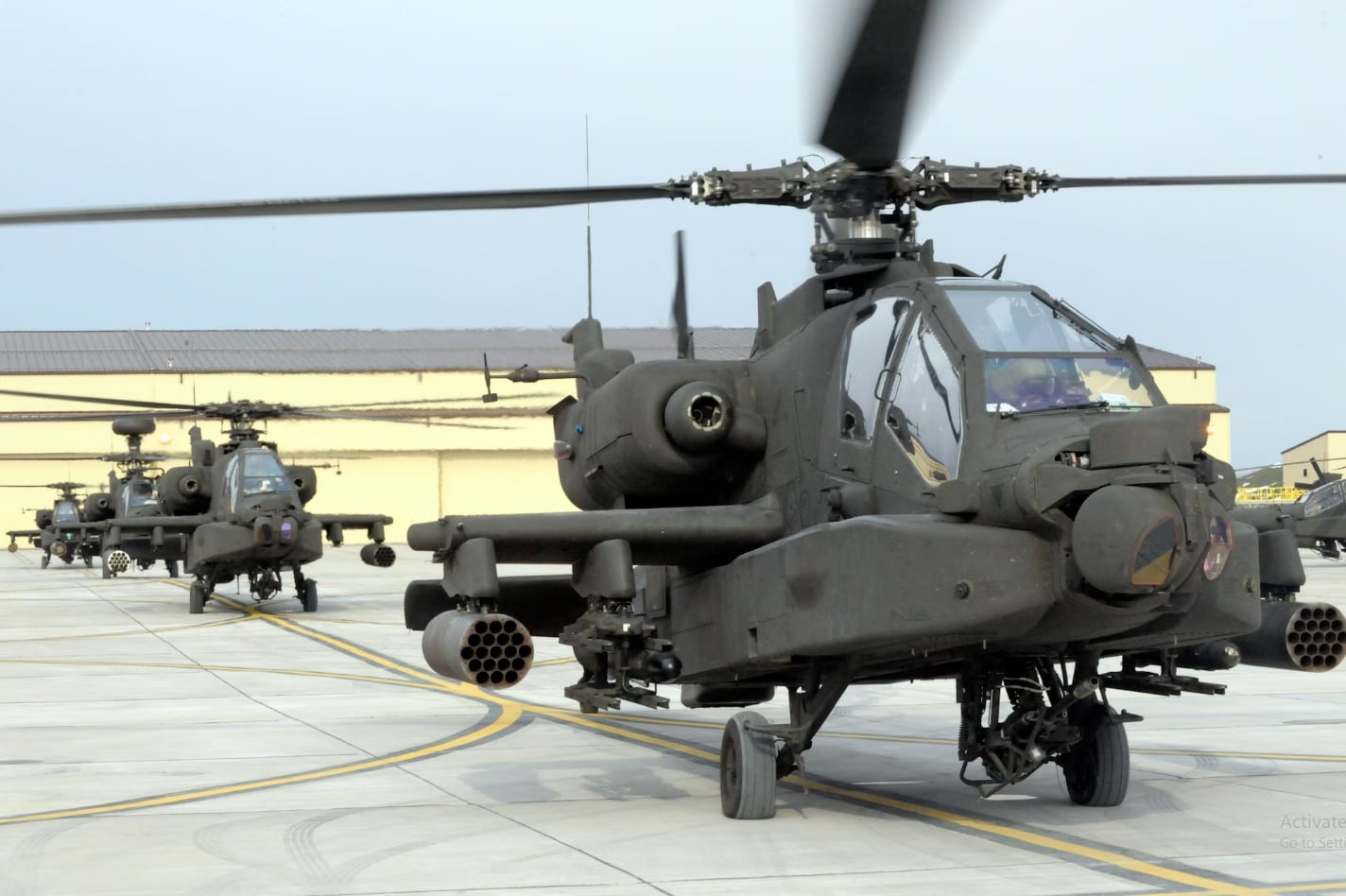
The article places the Apache crash in the Strait of Hormuz inside a wider pattern of U.S. aircraft losses since late February 2026. It says the campaign has already cost fighter jets, tanker aircraft, a rescue helicopter, and drones.
The story says a U.S. Apache helicopter was shot down near a very important sea lane, and that was just one of many aircraft losses in the war. It is like losing many expensive trucks in a long, rough road trip, except these are flying machines in a conflict zone.
Analysis
What the article says
The Apache helicopter that crashed into the sea after being shot down by Iran while patrolling over the Strait of Hormuz was not presented as an isolated event. The article says it was at least the 43rd U.S. military aircraft damaged or destroyed in Operation Epic Fury since U.S. forces deployed to the Middle East in late February 2026.
Broader loss tally
Citing a Congressional Research Service report issued in May, the piece says the U.S. military has lost dozens of aircraft in the conflict with Iran, including at least five fighter jets, seven Stratotanker refueling aircraft, a search-and-rescue helicopter, and more than two dozen drones. It highlights several earlier incidents: an F-15E Strike Eagle went down over Iran in April and led to a two-day rescue effort; a KC-135 crashed in Iraq in March and killed six crew members after colliding with another tanker; and an F-35 made an emergency landing at a U.S. base after Iran claimed responsibility for an attack on it.
Apache fleet context
The article also broadens the picture beyond this one incident. It says U.S. military records show more than 20 Class A flight mishaps across the Apache fleet over the past decade, with fiscal 2024 standing out at nine such incidents. Those mishaps are described as being mostly linked to human error, maintenance failures, or bird strikes. The piece adds that Apache losses have also occurred during training in the United States and in deployments abroad since 2016.
Cost and significance
Finally, the article stresses the Apache's price tag. It says the AH-64E can cost $35 million to $50 million per aircraft at base flyaway cost, while full acquisition packages can exceed $100 million. Operating costs are described as around $10,000 per flight hour, underscoring how expensive each loss is for the U.S. military.
Key points
- The Apache was described as the 43rd U.S. aircraft lost in Operation Epic Fury since late February 2026.
- The article says U.S. losses include fighter jets, tanker aircraft, a rescue helicopter, and drones.
- It cites earlier incidents involving an F-15E in Iran, a KC-135 crash in Iraq, and an F-35 emergency landing.
- The piece says Apache fleet mishaps have been a recurring issue over the past decade.
- It notes that the Apache is an expensive aircraft to buy and operate.
If fighting around the Strait of Hormuz eases, the risk of more aircraft losses could fall and military operations could become safer. A reduction in attacks would also lower pressure on one of the world’s most sensitive shipping routes.
If the conflict continues, more aircraft losses could follow and the U.S. military may face rising costs, personnel risk, and operational strain. Continued fighting around the Strait of Hormuz could also deepen regional instability and keep tensions high across the Gulf.