Dozens of attacks in Thailand's restive south leave 2 injured
Dozens of coordinated arson and incendiary attacks occurred across Thailand's insurgency-hit southern provinces, injuring two people and damaging government property.
Intelligence analysis by Gemini 2.5 Flash
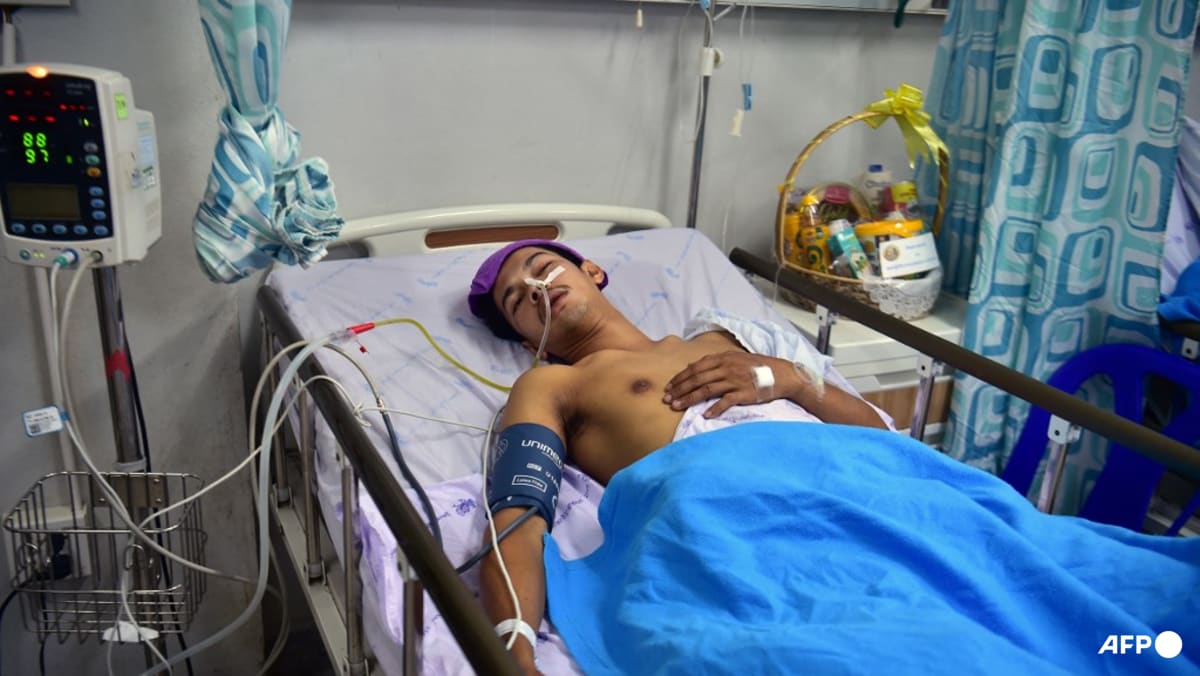
Thailand's southern border provinces, including Narathiwat, Yala, and Pattani, experienced 51 coordinated attacks late Saturday, involving arson and incendiary devices. The military's Internal Security Operations Command (ISOC) reported two civilians injured and damage to a local government office, a 7-Eleven, and a stolen vehicle, highlighting the ongoing low-level conflict in the Mu…
Imagine a game of hide-and-seek in a faraway part of Thailand, but instead of just hiding, some people are setting small fires and causing trouble because they want more control over their home. Two people got hurt, and some buildings were damaged. It's like a long-running disagreement that sometimes gets noisy and scary, and the government is trying to figure out how to make everyone safe.
Analysis
The recent wave of coordinated attacks in Thailand's southern provinces underscores the persistent and complex nature of the insurgency that has plagued the region for decades. While the immediate impact involved two injuries and property damage, the broader significance lies in the rebels' continued capacity to execute widespread, synchronized acts of violence, challenging the state's authority and security apparatus. The attacks, occurring primarily in Narathiwat, Yala, and Pattani, are a stark reminder of the deep-seated grievances and demands for greater autonomy that fuel the conflict, which has claimed over 7,000 lives since 2004.
Narathiwat
Narathiwat province bore the brunt of the recent coordinated attacks, with most of the 51 incidents reported within its borders. This concentration suggests that the province remains a focal point for insurgent activity, likely due to its strategic importance or the presence of strong rebel networks. The imposition of an overnight curfew in Narathiwat following the attacks highlights the immediate security response by authorities to contain the unrest and prevent further incidents.
Governor Boonchuay Homyamyen's confirmation of investigations into the attack sites, including telecommunications towers and electrical poles, indicates the insurgents' intent to disrupt essential services and infrastructure. The theft of a vehicle from a subdistrict administrative organization office, later found burned, further illustrates the calculated and destructive nature of these operations. Such actions aim to create a sense of insecurity and demonstrate the insurgents' reach within the local communities.
Internal Security Operations Command
The Internal Security Operations Command (ISOC), a key military body, played a central role in reporting and responding to the attacks. Their statement confirmed the "multiple coordinated incidents aimed at creating unrest" and provided initial details on the scale and locations of the violence. ISOC's involvement underscores the military-led approach to managing the insurgency, reflecting the Thai government's long-standing strategy in the deep south.
The command's swift announcement of the curfew and ongoing investigations demonstrates an effort to reassert control and gather intelligence following the widespread incidents. However, the fact that such a large number of coordinated attacks could occur despite ISOC's presence raises questions about the effectiveness of current security measures and intelligence gathering. The lack of immediate claims of responsibility for the attacks further complicates the efforts of ISOC and other security agencies to identify and neutralize the specific groups involved.
Anutin Charnvirakul
The timing of these attacks, just ahead of a scheduled visit by Thai Prime Minister Anutin Charnvirakul and his cabinet to the southern Songkhla province, is particularly noteworthy. While the visit is aimed at discussing investment projects, flooding prevention, and security issues, the recent violence could overshadow these development-focused agendas. Insurgents often escalate attacks prior to high-profile official visits to demonstrate their continued presence and defiance.
Prime Minister Charnvirakul's visit to Hat Yai, a major city in the south, provides an opportunity for the government to reiterate its commitment to addressing the region's challenges. However, the coordinated nature of the attacks serves as a stark reminder of the deep-seated security issues that must be tackled alongside economic development. The government's response to this latest wave of violence will be closely watched, as it could influence public perception and the future trajectory of peace efforts in Thailand's restive south.
Key points
- Dozens of coordinated arson and incendiary attacks occurred across Thailand's southern provinces late Saturday.
- The 51 attacks, primarily in Narathiwat, Yala, and Pattani, left two civilians injured and damaged government property and a convenience store.
- The military's Internal Security Operations Command (ISOC) reported the incidents, which took place between 8pm and midnight.
- An overnight curfew was imposed in Narathiwat province following the widespread unrest.
- The attacks occurred ahead of a scheduled visit by Thai Prime Minister Anutin Charnvirakul to the southern region to discuss investment and security.
The upcoming visit by Prime Minister Anutin Charnvirakul and his cabinet to discuss security issues and investment projects offers a potential avenue for de-escalation and addressing the root causes of the conflict. This high-level engagement could lead to new strategies for peace and development in the affected southern provinces.
The coordinated nature of the attacks, despite ongoing security efforts, suggests a persistent and entrenched insurgency. Without a clear claim of responsibility, identifying and negotiating with the perpetrators remains challenging, risking continued cycles of violence and instability in the region.