DR Congo Ebola Outbreak Surges: UN Warns of Rapid Spread
The Ebola outbreak in DR Congo has surged, with over 2,500 deaths and 5,000 cases recorded. The virus is spreading three times faster than the 2014-2016 West African epidemic. The Bwindibugyo strain currently lacks approved vaccines or treatment.
Intelligence analysis by Llama
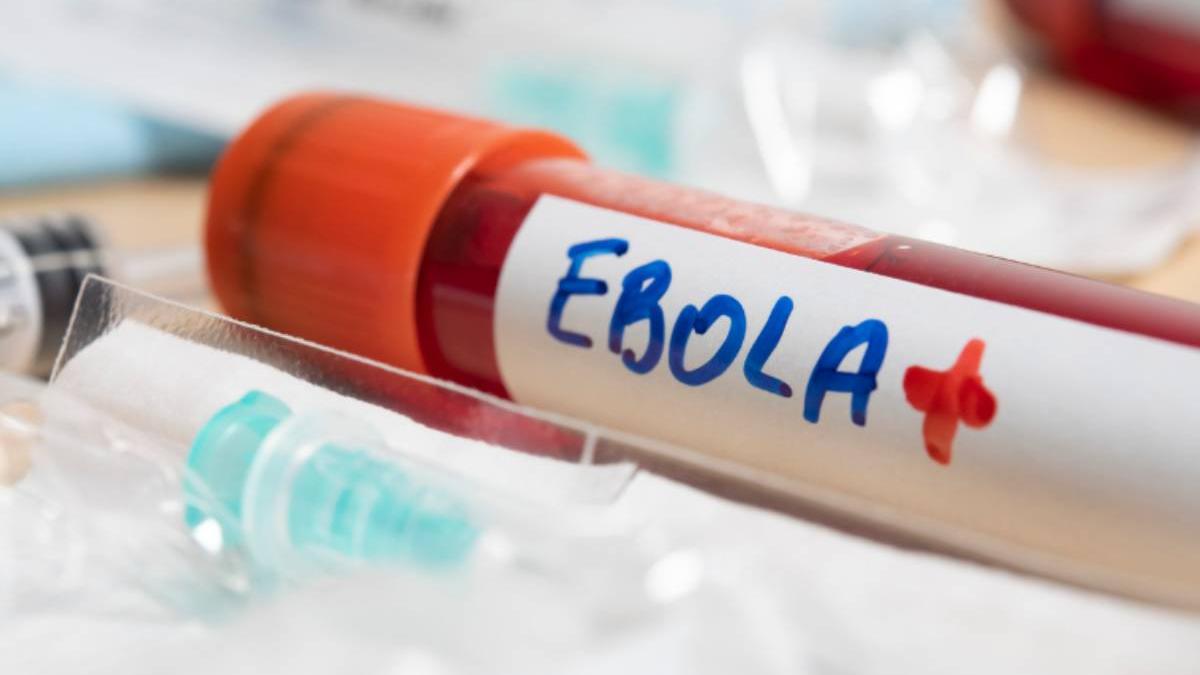
The Ebola outbreak in DR Congo has reached alarming levels, with over 2,500 deaths and 5,000 cases recorded. The virus is spreading rapidly, and the Bwindibugyo strain lacks approved vaccines or treatment. The situation is dire, and urgent action is needed to contain the outbreak.
Imagine a virus that can spread quickly and make people very sick. That's what's happening in DR Congo right now. The virus is called Ebola, and it's spreading fast because people don't have the right medicine to treat it. This is a big problem because it's making a lot of people very sick and even killing some of them. We need to find a way to stop the virus from spreading so that people can get the help they need.
Analysis
History of the Outbreak
The current Ebola outbreak in DR Congo is the largest and most severe in the country's history. It began in 2014 and has continued to spread, with over 2,500 deaths and 5,000 cases recorded. The virus is spreading three times faster than the 2014-2016 West African epidemic, which was the largest and most severe outbreak in history.
Causes of the Outbreak
The Bwindibugyo strain of the virus is currently circulating in DR Congo, and it lacks approved vaccines or treatment. This has made it difficult to contain the outbreak, and the situation is dire. The rapid spread of the virus is due to a combination of factors, including poor healthcare infrastructure, lack of awareness, and inadequate response from the government and international community.
Impact of the Outbreak
The Ebola outbreak in DR Congo has had a significant impact on the country and the region. The rapid spread of the virus has led to a shortage of healthcare workers, and the lack of approved vaccines or treatment has made it difficult to contain the outbreak. The economic impact of the outbreak is also significant, with the country's economy suffering due to the loss of life and the disruption of trade and commerce.
Response to the Outbreak
The government of DR Congo and the international community have responded to the outbreak, but more needs to be done to contain the spread of the virus. The World Health Organization (WHO) has declared the outbreak a public health emergency, and the government has established a task force to coordinate the response to the outbreak. However, more needs to be done to address the root causes of the outbreak, including the lack of healthcare infrastructure and the inadequate response from the government and international community.
Key points
- Over 2,500 deaths and 5,000 cases recorded in DR Congo's largest Ebola outbreak.
- Virus is spreading three times faster than the 2014-2016 West African epidemic.
- Bwindibugyo strain currently lacks approved vaccines or treatment.
- Government and international community have responded to the outbreak, but more needs to be done to contain the spread of the virus.
If the international community comes together to provide support and resources, it's possible to contain the outbreak and prevent further spread of the virus. This would require a coordinated effort from governments, healthcare organizations, and other stakeholders to provide medical care, support affected communities, and develop effective treatments and vaccines.
If the outbreak is not contained, it could spread to neighboring countries and become a global health crisis. This would have severe economic and social consequences, including widespread illness and death, displacement of people, and significant economic losses.