DRC Dialogue: Why Churches Are Still Seeking Their Place
Churches in the DRC are concerned about their marginal role in President Tshisekedi's national dialogue, especially after the opposition refused to participate.
Intelligence analysis by Gemini 2.5 Flash Lite
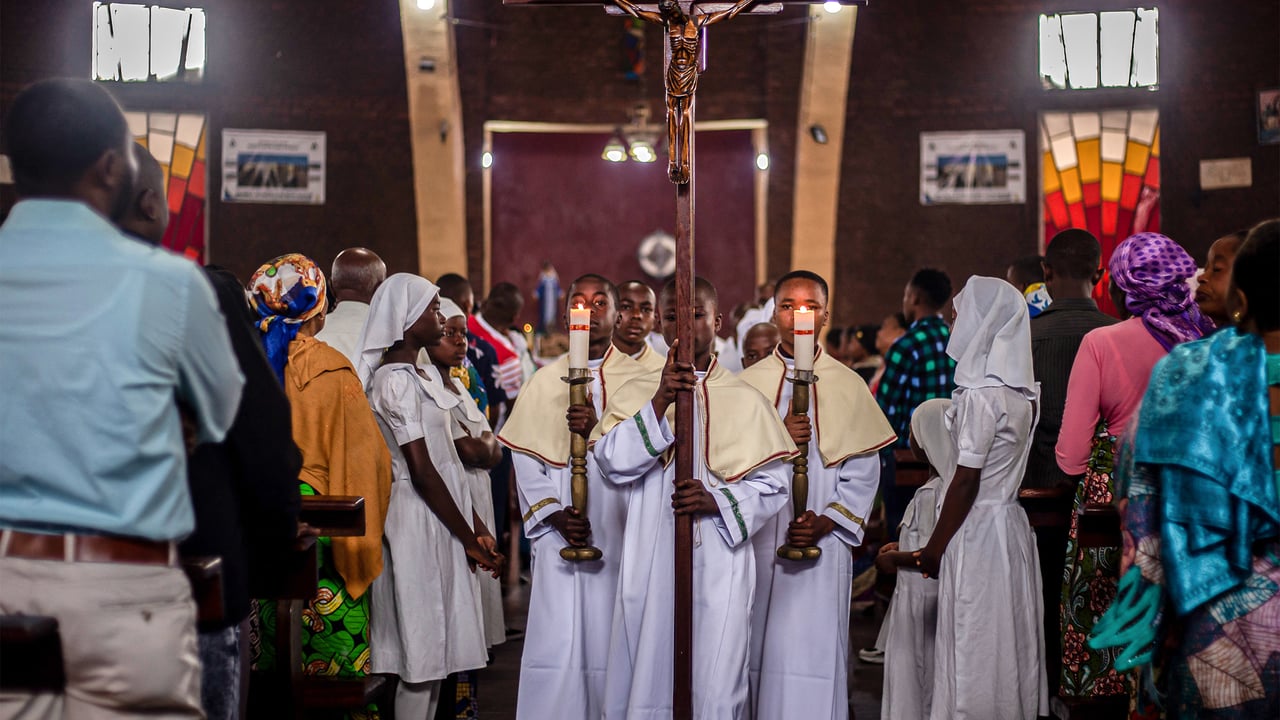
Despite being central to initial discussions, religious leaders in the Democratic Republic of Congo fear a diminished role in President Tshisekedi's proposed national dialogue. This concern is amplified by the opposition's refusal to join the process, leaving the churches in an uncertain position regarding their influence.
Imagine the country is having a big talk to solve problems. The churches helped plan it, but now they worry they won't get to say much important stuff. This is tricky because the other big groups won't even come to the talk, leaving the churches unsure how to help fix things.
Analysis
Félix Tshisekedi's Initiative
President Félix Tshisekedi announced a "national dialogue for peace, cohesion, and the refoundation of the state" on August 27th. This initiative, intended to foster reconciliation and rebuild the nation, has been met with a notable silence from the Catholic and Protestant churches, who were instrumental in preceding discussions. Their reticence suggests a growing apprehension about the actual scope and their potential influence within the framework of this dialogue. The opposition has already declared its non-participation, further complicating the landscape and potentially isolating the government's efforts.
The Churches' Apprehension
Historically, religious bodies in the DRC have played a significant role in mediating political crises and advocating for democratic processes. Their central involvement in the preliminary stages of Tshisekedi's dialogue announcement led many to believe they would be key stakeholders. However, as the specifics of the dialogue unfold, a fear has emerged that their role might be relegated to a more symbolic or marginal one, rather than a substantive one that can shape outcomes. This potential sidelining is a source of deep concern for these institutions, which see themselves as vital arbiters of national unity and peace.
Opposition's Stance and Future Implications
The opposition's decision to boycott the dialogue presents a significant hurdle. This refusal means that a substantial portion of the political spectrum will not be represented, potentially undermining the dialogue's claim to national inclusivity. The churches, caught between the government's initiative and the opposition's abstention, find themselves in a delicate position. Their ability to exert meaningful influence is now contingent on navigating this polarized political environment and convincing both sides of the value of their mediation, a task that appears increasingly challenging.
Key points
- Religious leaders in the DRC are concerned about their limited role in President Tshisekedi's national dialogue.
- The opposition has already refused to participate in the proposed dialogue.
- Churches were instrumental in the initial discussions leading to the dialogue announcement.
- There is a fear that religious institutions will have only a marginal influence on the process.
- The dialogue aims for peace, cohesion, and state refoundation but faces significant political hurdles.
If the churches can successfully assert their influence, they could bridge the divide between the government and the opposition, ensuring a more inclusive and effective dialogue. Their mediation could lead to genuine reconciliation and the strengthening of state institutions, fostering lasting peace and stability in the DRC.
The churches' fear of a marginal role could materialize, leading to a dialogue perceived as illegitimate due to the opposition's absence. This could exacerbate political divisions, hinder genuine peace efforts, and further entrench instability in the Democratic Republic of Congo.