DRC: How Tshisekedi's Supporters Are Mobilizing for a Constitutional Change
Congolese President Félix Tshisekedi's allies, including ministers and evangelists, are actively campaigning for a constitutional change that could allow him to seek another term.
Intelligence analysis by Gemini 2.5 Flash
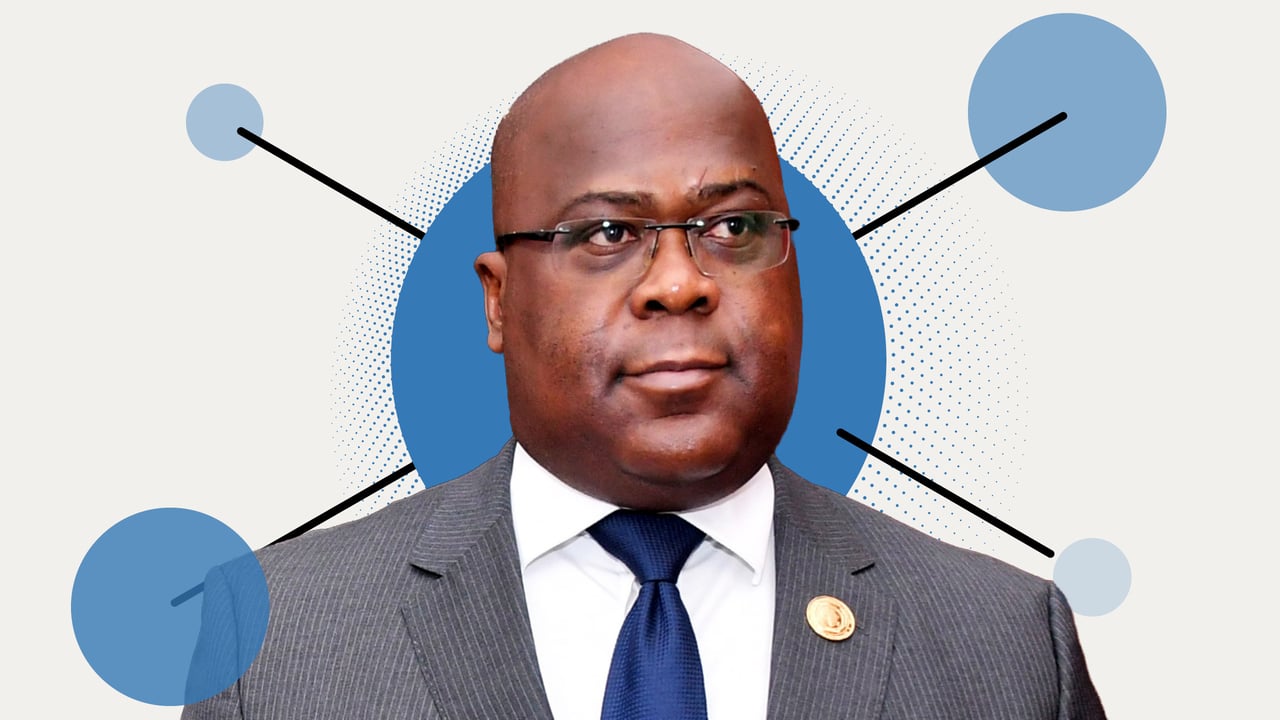
The Democratic Republic of Congo is facing a significant political challenge as supporters of President Félix Tshisekedi push for amendments to the 2006 Constitution. This move, which could potentially enable Tshisekedi to extend his stay in power beyond current term limits, has been facilitated by a recent Constitutional Court validation of a referendum bill, sparking concerns among …
Imagine the DRC has a very important rulebook, like the rules for a big game, that says how long the leader can play. Now, some people who like the current leader, President Tshisekedi, want to change that rulebook so he can play for longer. A special court said it's okay to ask everyone if they want to change the rules, but many people are worried this might make the game unfair or cause arguments.
Analysis
The political landscape in the Democratic Republic of Congo is currently dominated by discussions surrounding potential amendments to the nation's foundational legal document. Supporters of President Félix Tshisekedi are actively campaigning for a constitutional overhaul, a move widely interpreted as an effort to enable the incumbent to seek an additional term in office. This initiative has ignited significant debate and apprehension across various sectors of Congolese society, including political opposition and religious institutions.
2006 Constitution
The 2006 Constitution, which will mark its twentieth anniversary in 2026, is at the heart of the current political maneuvering. This document established the framework for the DRC's democratic institutions and set presidential term limits, designed to prevent the concentration of power. The current push by Tshisekedi's allies is seen by many as an attempt to 'unravel' these foundational principles, potentially destabilizing the country's nascent democratic progress. Critics argue that such changes could undermine the constitutional order and lead to a return to past patterns of prolonged presidential rule.
Constitutional Court
A pivotal development occurred on July 28 when the Constitutional Court validated a proposed referendum bill. This decision, while not a direct amendment to the Constitution, paves the way for the population to be consulted on modifications to the supreme law. The Court's ruling has been met with strong condemnation from the opposition, who view it as a tacit authorization for President Tshisekedi to pursue a new mandate. The validation by the Constitutional Court is a critical step in the legislative process, allowing the bill to proceed to Parliament for further consideration and potential promulgation.
Didier Budimbu
Didier Budimbu, a prominent member of the Sacred Union presidium and the DRC's Minister of Sports, has emerged as a vocal defender of the proposed constitutional referendum. He argues that the Congolese people should be allowed to express themselves freely on the Constitution, framing the initiative as a democratic exercise. Budimbu has also accused the opposition of attempting to sow chaos, suggesting that their resistance is politically motivated rather than genuinely concerned with constitutional integrity. This stance highlights the deep divisions within the political class regarding the proposed changes and the future direction of the country.
Key points
- Supporters of DRC President Félix Tshisekedi are campaigning for constitutional changes to potentially allow him to remain in power.
- The 2006 Constitution, which sets presidential term limits, is the target of these proposed modifications.
- The Constitutional Court recently validated a referendum bill, enabling public consultation on amending the supreme law.
- The opposition views the Court's decision as a green light for Tshisekedi to seek an additional presidential term.
- Religious leaders, like the Church, are expressing concern and may mobilize against the changes, echoing past actions.
The push for constitutional change could lead to significant political instability, widespread protests, and a potential erosion of democratic norms in the DRC. Opposition and civil society groups, including the Church, may mobilize against the proposed amendments, risking social unrest and a deepening of political polarization.
