DRC: The Death Penalty, Return of a Divisive Sanction
The Democratic Republic of Congo reinstated the death penalty in 2024 after a two-decade moratorium, leading to an estimated 1,400 death row inmates and sparking intense national debate.
Intelligence analysis by Gemini 2.5 Flash
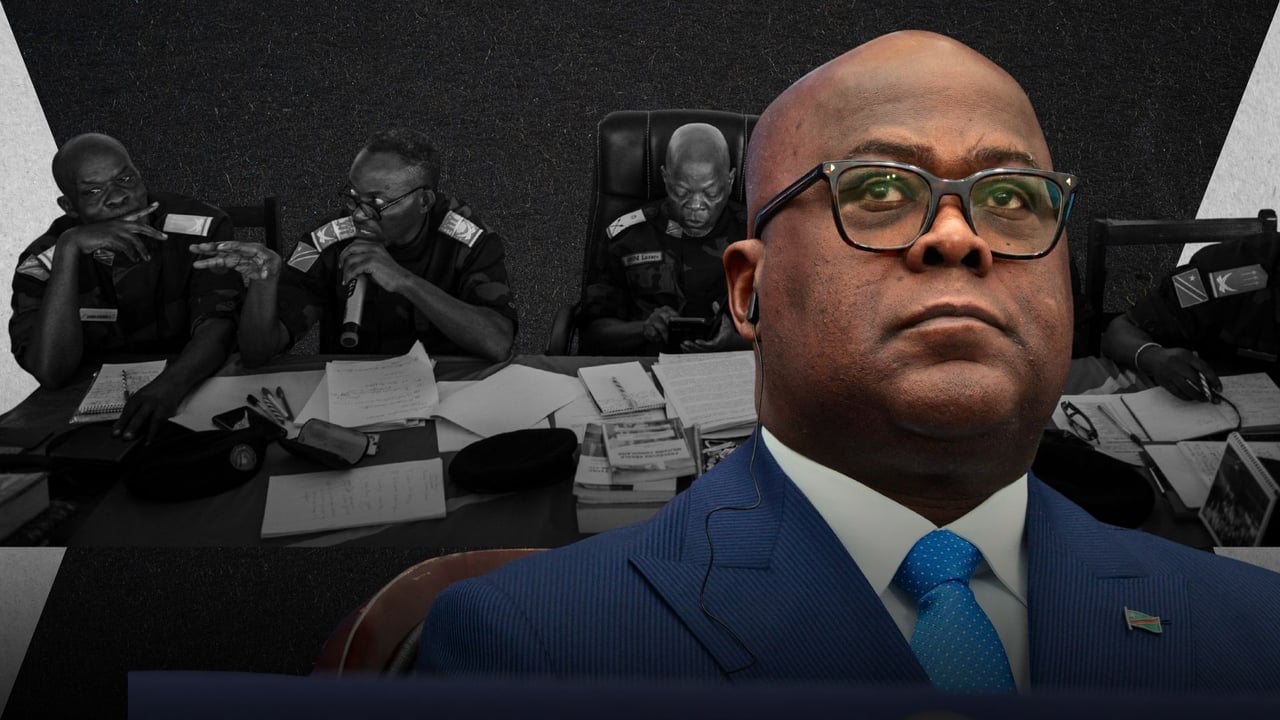
President Félix Tshisekedi's decision to reactivate capital punishment is framed as a response to military treason and insecurity. However, human rights groups and legal experts criticize the move, arguing it violates international commitments and lacks proven deterrent effect, despite no executions having been carried out yet.
Imagine a big country called the DRC where some people have done really bad things, like betraying their country or making cities unsafe. For a long time, the worst punishment, called the death penalty, wasn't used. But now, the country's leader has decided to bring it back, hoping it will stop bad guys. Many people are now sentenced to this punishment, but no one has actually been executed yet. Some people think it's a good idea to be tough, like a strict teacher, but others worry it's not fair, doesn't really stop crime, and goes against international rules about how countries should treat people.
Analysis
The Democratic Republic of Congo's decision to lift its moratorium on the death penalty in 2024 marks a significant and controversial turn in the country's justice system. After more than two decades without executions, the reintroduction of capital punishment is presented by authorities as a necessary measure to combat widespread insecurity and address instances of treason within the military. This move has rapidly swelled the ranks of death row inmates, placing the DRC as the second African nation with the highest number of individuals condemned to death, behind Nigeria. The policy has ignited a profound debate within the country, with proponents arguing for the restoration of state authority and severe punishment for grave crimes, while opponents raise serious concerns about human rights and the efficacy of capital punishment as a deterrent.
Félix Tshisekedi
President Félix Tshisekedi's administration initiated the reactivation of the death penalty, framing it as a critical tool to address pressing national security challenges. The government's rationale centers on the need to deter betrayal within the armed forces and to curb the insecurity plaguing various Congolese cities. Despite the policy's reintroduction and the subsequent increase in death sentences, President Tshisekedi has publicly stated that, to date, no executions have been carried out since the moratorium was lifted. This clarification suggests a potential for caution in the implementation of the reinstated penalty, even as the legal framework for it is now firmly in place.
900 Condemned
The scale of the death penalty's reintroduction is starkly illustrated by statistics compiled by the organization "Ensemble contre la peine de mort en RDC." A report from April 2026 indicated that over 900 individuals were condemned to death between 2024 and 2025 across just 19 prisons in the country. Extrapolating nationally, the organization estimates that more than 1,400 people are currently on death row, a figure that positions the DRC as a leading country in Africa for capital punishment. These numbers highlight the rapid and extensive application of the reinstated penalty, raising urgent questions about the capacity and fairness of the Congolese justice system to handle such a large volume of cases, particularly given the irreversible nature of the sanction.
Laurent-Désiré Kabila
The historical context of capital punishment in the DRC provides a critical lens through which to evaluate its current reintroduction. Legal experts, such as lawyer Liévin Ngondji, recall the era of Laurent-Désiré Kabila, during which hundreds of individuals were executed following death sentences. Ngondji argues that these past executions did not demonstrably deter crime or treason, suggesting that the argument for the death penalty's dissuasive power is more political than genuinely judicial. This historical precedent fuels the skepticism of human rights advocates, including Jean-Claude Katende, president of the African Association for Human Rights (Asadho), who contends that the measure violates the DRC's international commitments and is unlikely to achieve its stated goals of enhancing security and state authority.
Key points
- The Democratic Republic of Congo reactivated the death penalty in 2024 after a 20-year moratorium.
- Over 1,400 people are estimated to be on death row, making the DRC second in Africa for condemned individuals.
- Authorities justify the policy as a response to military treason and widespread insecurity.
- Human rights groups and legal experts criticize the measure, citing violations of international commitments and a lack of proven deterrent effect.
- President Félix Tshisekedi has stated that no executions have been carried out since the moratorium was lifted.
The reintroduction of the death penalty risks violating the DRC's international human rights commitments and could lead to wrongful convictions in a potentially overburdened justice system. Critics argue it may not effectively deter crime or treason, potentially exacerbating social divisions and instability if perceived as a political tool rather than a genuine solution to insecurity.