Drought and Dryness: Germany's Grain Harvest Is Suffering Severely
Germany’s grain harvest has been hit hard by drought, with around 3 million tons lost since mid-June and about 600 million euros in revenue losses.
Intelligence analysis by GPT-5.4 Mini
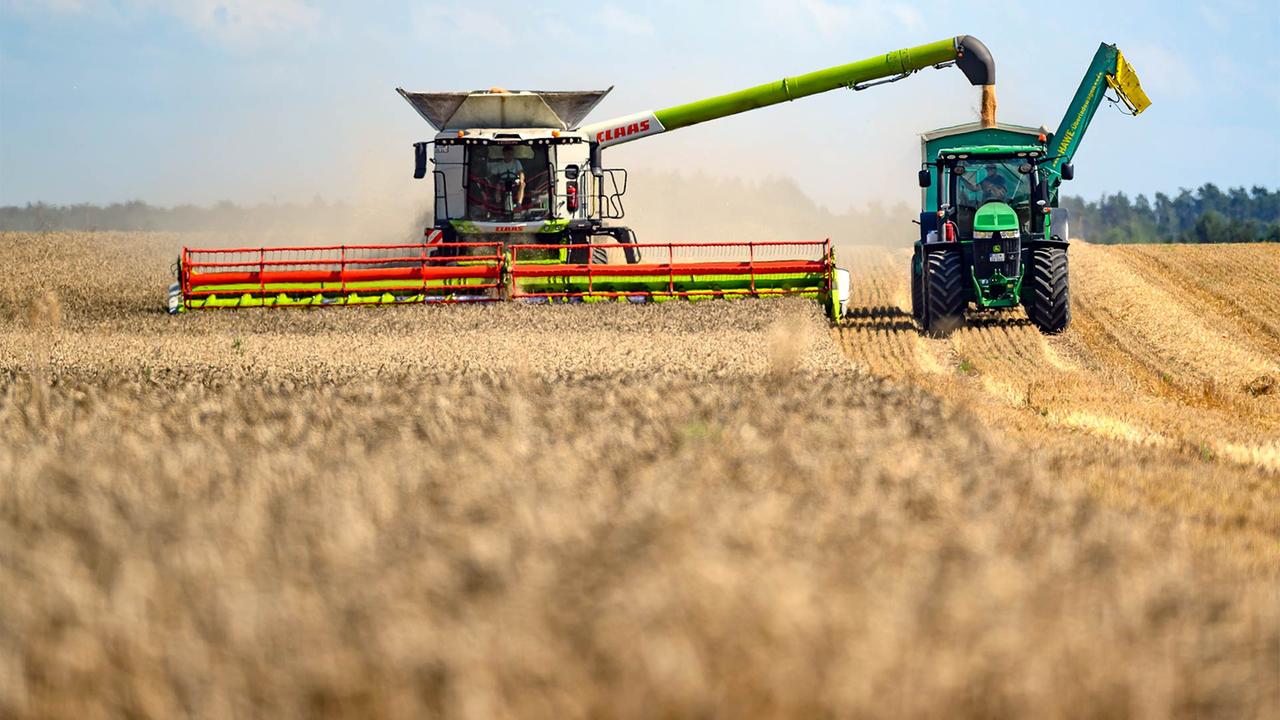
The Raiffeisenverband says prolonged dryness has cut grain and rapeseed output, but it still expects a harvest that is below average yet sufficient. The bigger near-term risk may be transport, as low river levels complicate shipping and deliveries.
Germany’s grain fields were like a garden that did not get enough water. The crops are smaller, so farmers lose money, but there should still be enough food, and the bigger problem may be getting everything moved by boat and truck.
Analysis
Raiffeisenverband
The Raiffeisenverband frames the harvest as damaged but not ruined. It says roughly 3 million tons of grain and rapeseed have been lost since mid-June, translating into an estimated 600 million euros in lost revenue.
That matters because the group represents 1,600 cooperative businesses in agricultural trade and processing. Its view is not just about one bad field or one region; it is a signal about strain across the broader farm economy.
The association’s language is careful. It expects a harvest that is under average, but still sufficient, which helps explain why the story reads as a warning rather than an alarm.
40.6 Million Tons
The headline number is 40.6 million tons, the current estimate for this year’s grain harvest. That would be about 10% below last year’s 45 million tons, which the farmers' association had called satisfactory.
This comparison shows the story’s real pressure point: not scarcity, but erosion. A drop of that size can hurt margins badly, especially when the article says the sector is already dealing with strong cost increases.
The current wheat price, around 220 euros per ton, is slightly above last year’s level. That offers some support to producers, but the article makes clear that prices alone do not offset the damage from lower output and higher expenses.
Inland Shipping
The article’s most practical warning is about movement, not storage. The Raiffeisenverband says there should be no acute storage problem after harvest, but low water is making river shipping difficult in parts of Germany.
That distinction is important. If grain cannot move smoothly, the stress shifts from the field to the supply chain, affecting feed deliveries, fertilizer transport, and the wider logistics network that farming depends on.
The article also says consumers should not expect a sharp rise in bread or roll prices from this harvest alone. That is because grain is only a small part of the final price, while energy, labor, and bureaucracy costs matter more at the checkout.
Key points
- The Raiffeisenverband says drought has caused major losses in Germany’s grain and rapeseed harvest.
- About 3 million tons have been lost since mid-June, with estimated revenue losses of 600 million euros.
- The harvest is still expected to be sufficient, but around 10% below last year.
- Low river water could make it harder to move grain, feed, and fertilizer around the country.
- The article says bread prices should not jump sharply because grain is only a small part of the final cost.
A harvest of 40.6 million tons would still be enough, according to the association, and storage capacity is said to be adequate. If logistics hold up, the sector can absorb the drought damage without a larger supply shock.
The losses have already cut revenue by an estimated 600 million euros, and farmers are facing the drought after other cost increases. Low water could also disrupt transport, feed deliveries, and fertilizer shipments even after the harvest is in.