Dubai luxury hotels woo staycationers as tourists flee
Dubai's luxury hotels are leaning on resident staycations after the war scared away international tourists. Deep discounts are keeping some resorts busy, but the fix looks temporary.
Intelligence analysis by GPT-5.4 Mini
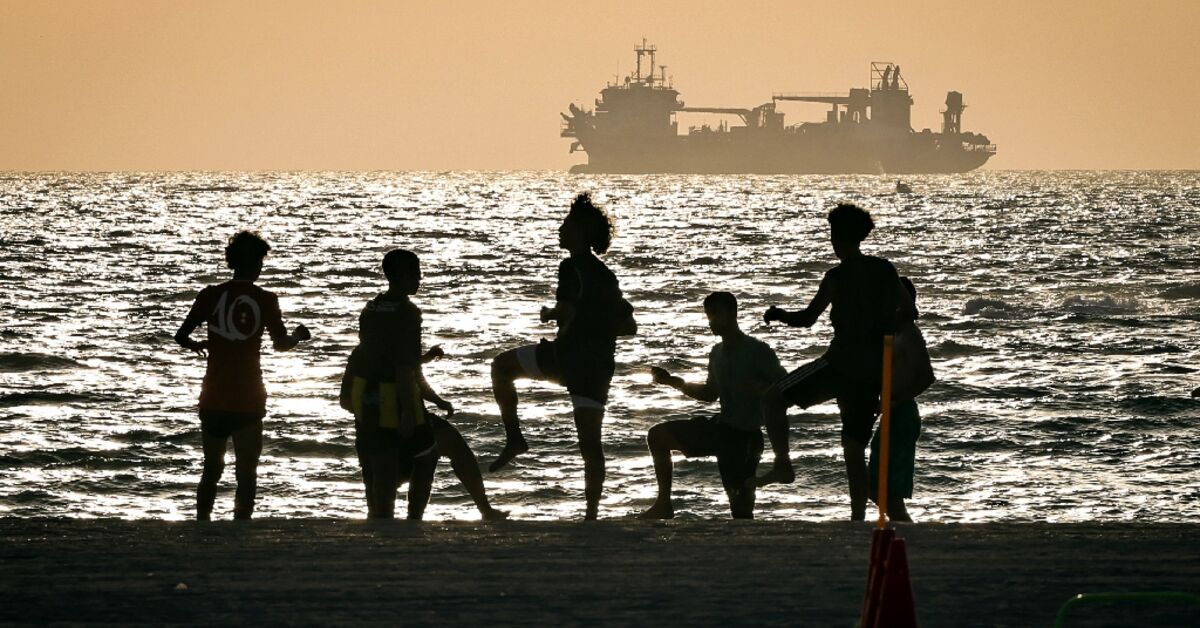
Luxury hotels on Dubai's Palm and elsewhere are filling weekend rooms with residents after the US-Iran conflict pushed tourists away. The staycation surge is helping some properties stay afloat, but managers say the demand gap remains wide and may worsen if summer travel slows further.
Dubai's fancy hotels used to fill up with visitors from far away. After fighting scared those visitors off, the hotels started offering big discounts to people who live nearby, like a store lowering prices to bring in local shoppers.
Analysis
A tourism market shaken by war
Dubai's luxury hotel scene has been jolted by the conflict that followed US-Israeli strikes on Iran, which the article says began on February 28. The United Arab Emirates was hit by Iranian missiles and drones, including strikes that reached hotels on the Palm and even the Burj Al Arab area. After that, international tourists pulled back, leaving many high-end properties far less busy than usual.
Residents become the fallback market
Hotels are now leaning hard on residents with steep discounts and short-break packages. One guest, Fadi Iskandarani, said he had never stayed on the Palm before because prices were too high, but a hotel cut its rate by a factor of four and made the stay possible. At Anantara The Palm Dubai Resort, general manager Michael Robinson said resident discounts can reach 50 percent, and weekend occupancy has held at 70 to 90 percent even as weekday occupancy sits around 20 to 30 percent.
A temporary lifeline
The article frames staycations as a lifeline rather than a durable replacement for foreign tourism. Robinson said the local market usually means one- or two-night stays, while international guests once stayed about a week. Some hotels, including Burj Al Arab, have temporarily closed for renovations, and others have cut staff or salaries, especially in downtown Dubai where business travel matters more. An anonymous hotel worker said his pay was cut by up to 40 percent during and after the war before returning to normal in recent weeks.
The core question is whether the Gulf can regain its image as a stable travel destination quickly enough for tourists to return before the summer slowdown deepens the strain.
Key points
- Dubai's luxury hotels are offering steep resident-only discounts after international tourists pulled back during the US-Iran conflict.
- Weekend occupancy on the Palm is holding up, but weekday demand remains much weaker.
- The article says the UAE was hit by Iranian missiles and drones, including strikes on hotels and the Burj Al Arab area.
- Hotels see staycations as a short-term lifeline, not a replacement for the longer stays that foreign tourists used to provide.
- Some properties have closed for renovations or cut pay and staff as business slowed.
If the conflict eases soon, hotel managers believe tourists could return faster than expected. That would help Dubai move from relying on short resident stays back to longer, higher-value international visits.
If tourists keep away into July and beyond, staycation demand may not be enough to fill the gap. More hotels could respond with closures, salary cuts, or layoffs, especially in areas that depend on business travel.