Dutch broadcaster pulls out of Eurovision over Israel 'sensitivities'
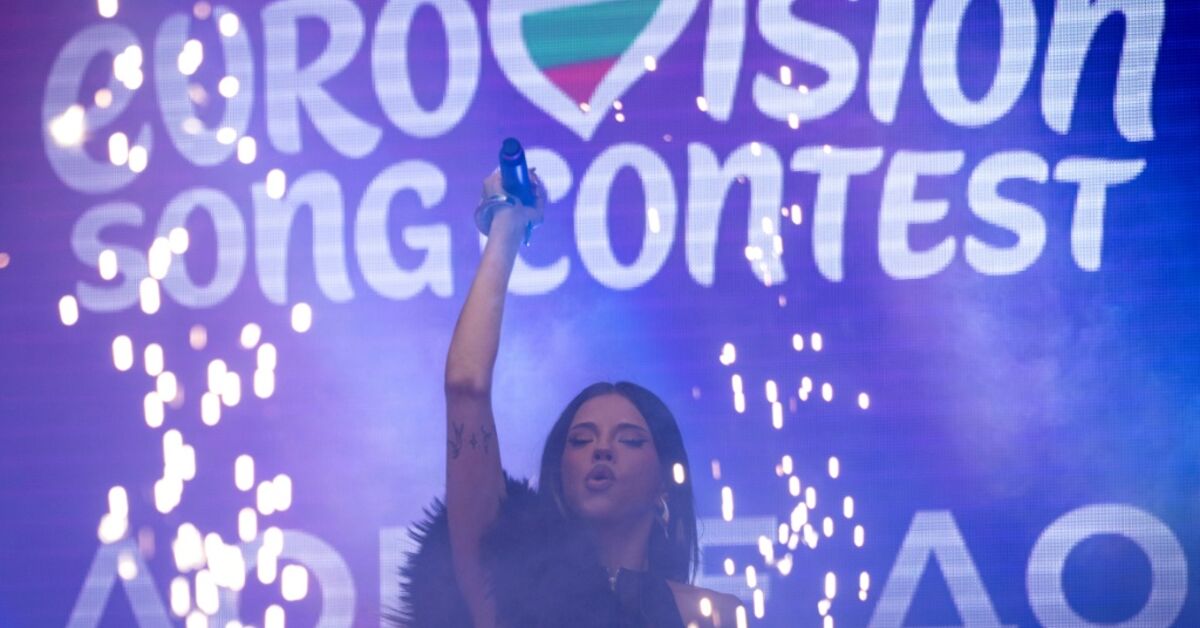
The Netherlands' public broadcaster NPO has withdrawn from the 2027 Eurovision Song Contest, citing "sensitivities" over Israel's participation amid its military campaign in Gaza.
Intelligence analysis by Gemini 2.5 Flash
The Dutch decision follows a series of internal debates and reversals, highlighting the divisive impact of the Israel-Gaza conflict on international cultural events. Several other countries have also boycotted or considered withdrawal from Eurovision, leading to a significant drop in viewership for the 2026 contest.
Imagine a huge, fun singing competition where countries send their best singers. This year, some countries are upset because one country, Israel, is in a big argument (a war) far away. The Netherlands, a country that usually loves this show, decided not to send their singer because they feel it's too sensitive and divisive right now, even though they'll still watch it on TV. Other countries have done the same, making the show a bit smaller than usual.
Analysis
The decision by the Netherlands' public broadcaster NPO to withdraw from the 2027 Eurovision Song Contest marks a significant moment in the intersection of geopolitics and popular culture. Citing "sensitivities" surrounding Israel's participation due to its military campaign in Gaza, the move reflects a growing trend of cultural boycotts and protests. This withdrawal is not an isolated incident but part of a broader pattern of countries expressing discomfort or outright refusal to participate in events that include Israel, given the ongoing conflict.
NPO's Decision
NPO's media director, Jurre Bosman, explicitly stated that Israel's involvement "elicits various reactions in society and causes discussion and division." This acknowledgment highlights the internal pressures faced by public broadcasters in countries like the Netherlands, where public opinion on the Gaza conflict is sharply divided. The decision was not made lightly, following a period of flip-flops where AVROTROS, the broadcaster responsible for selecting the Dutch entry, initially pulled out, only for NPO to step in, and then reverse course again. This back-and-forth illustrates the profound difficulty in navigating such a politically charged issue within a cultural context.
Jet de Ranitz, NPO's executive chairman, further emphasized that it was "too early to participate" given the "sensitivities surrounding the themes currently at play." While disappointing many Dutch Eurovision fans, the broadcaster confirmed the contest would still be aired, suggesting a desire to maintain access to the event for viewers while distancing itself from direct participation. This nuanced approach attempts to balance public sentiment with the cultural significance of Eurovision.
2026 Contest Boycotts
The Dutch withdrawal is part of a larger wave of boycotts that significantly impacted the 2026 Eurovision Song Contest. The article notes that Iceland, Spain, Ireland, and Slovenia also pulled out of the previous year's competition, with the latter three refusing to broadcast the show entirely. This collective action led to a substantial drop in viewership, with 131 million viewers in 2026, down 35 million from the year before. Such figures demonstrate the tangible consequences of these political statements on the event's reach and popularity.
Organizers had previously announced the exclusion of any country involved in armed conflict from hosting the competition, but this policy did not prevent withdrawals from participating countries. The head of the Spanish public broadcaster also favored a boycott, and Ireland had already announced its non-participation. While the Czech public broadcaster cited spending cuts for its withdrawal, the predominant reason for others has been the "sensitivities" related to Israel's involvement, underscoring a widespread sentiment across Europe.
Martin Green's Statement
Martin Green, the head of the European Broadcasting Union (EBU), which organizes Eurovision, expressed his regret over the Netherlands' decision, stating he was "deeply sorry." He acknowledged and respected the "strength of feeling" behind the decision in the Netherlands, indicating an understanding of the complex political landscape influencing participants. However, Green also affirmed the EBU's belief that the "Eurovision Song Contest matters in a divided world," suggesting a commitment to the event's role as a unifying cultural platform despite the current challenges.
NPO's Bosman echoed a similar sentiment, expressing conviction that the event "can once again become a place of music and connection, where there is room to make societal themes open for discussion." This suggests a hope that the contest can eventually transcend its current political entanglements and return to its core purpose. The ongoing dialogue between NPO and the EBU about the future of the contest indicates a shared desire to find a path forward that addresses these sensitivities while preserving the spirit of Eurovision.
Key points
- The Netherlands' public broadcaster NPO has withdrawn from the 2027 Eurovision Song Contest.
- The decision is due to "sensitivities" surrounding Israel's participation amid its military campaign in Gaza.
- This follows a series of internal reversals by Dutch broadcasters regarding their participation.
- Other countries, including Iceland, Spain, Ireland, and Slovenia, also boycotted the 2026 contest, leading to a 35 million drop in viewership.
- The European Broadcasting Union (EBU) expressed regret but acknowledged the strength of feeling behind the Dutch decision.
Despite the current withdrawals, the NPO and EBU are in discussions, expressing hope that Eurovision can once again become a platform for music and connection, allowing for open discussion of societal themes. This suggests a potential for the event to evolve and adapt, eventually regaining its unifying spirit.
The continued withdrawals from Eurovision, coupled with a significant drop in viewership, indicate a risk that the event's international appeal and perceived neutrality could be further eroded. More countries might follow suit, diminishing the contest's stature and making it increasingly difficult for the EBU to maintain its vision of a unifying cultural platform.