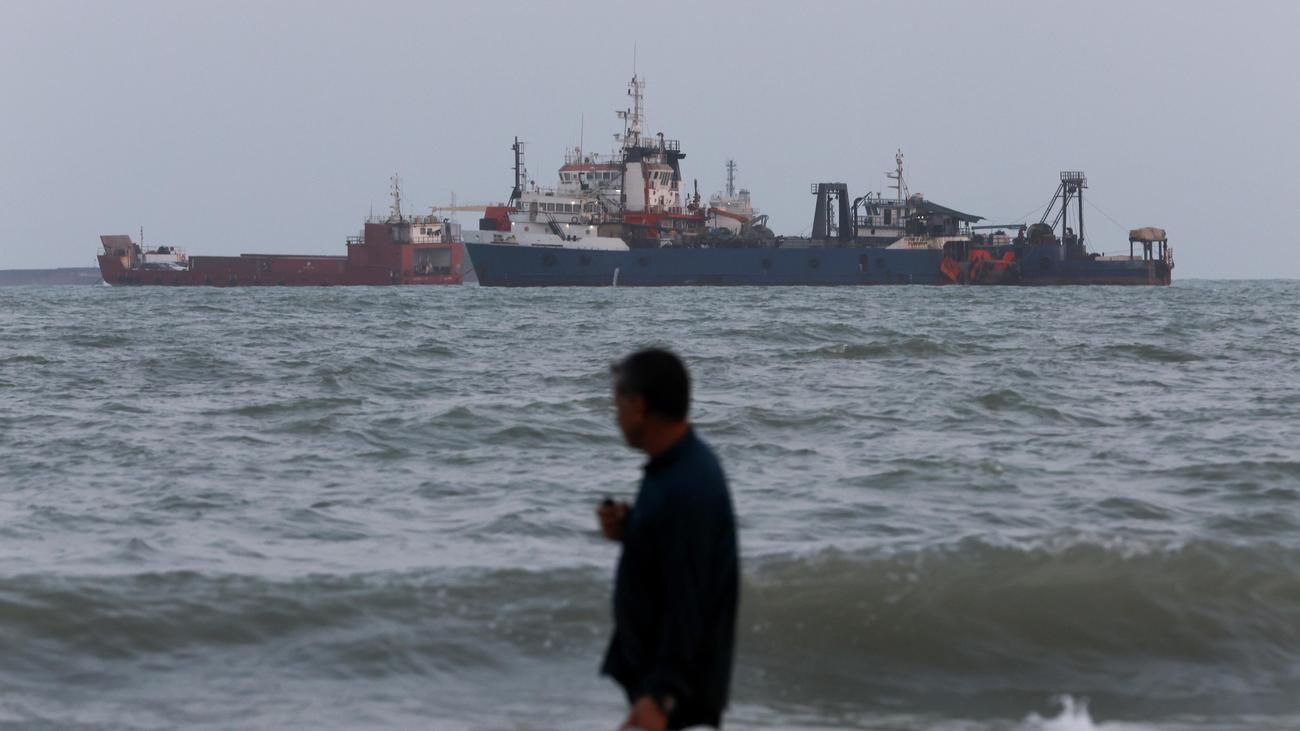
Earthquake with 265 Dead: Colombia Faces Critical Hours
A powerful 7.4 magnitude earthquake in western Colombia has killed at least 265 people and injured 3,500, with rescue efforts racing against a critical 72-hour window for survivors.
Intelligence analysis by Gemini 2.5 Flash
Colombia is grappling with the aftermath of a devastating earthquake that has left hundreds dead and thousands injured and missing. The government has declared an economic state of emergency, appointed a new disaster manager, and is receiving international aid as the crucial 72-hour window for finding survivors under rubble closes.
Imagine a really big shake-up of the ground, like when you drop a heavy book, but way bigger! That's what happened in Colombia, and it knocked down lots of buildings, trapping people inside. Rescuers are working super fast, like a race against the clock, because there's only a short time to find people alive. Other countries are sending help, too, like friends helping friends when things get tough.
Analysis
72-Hour Window
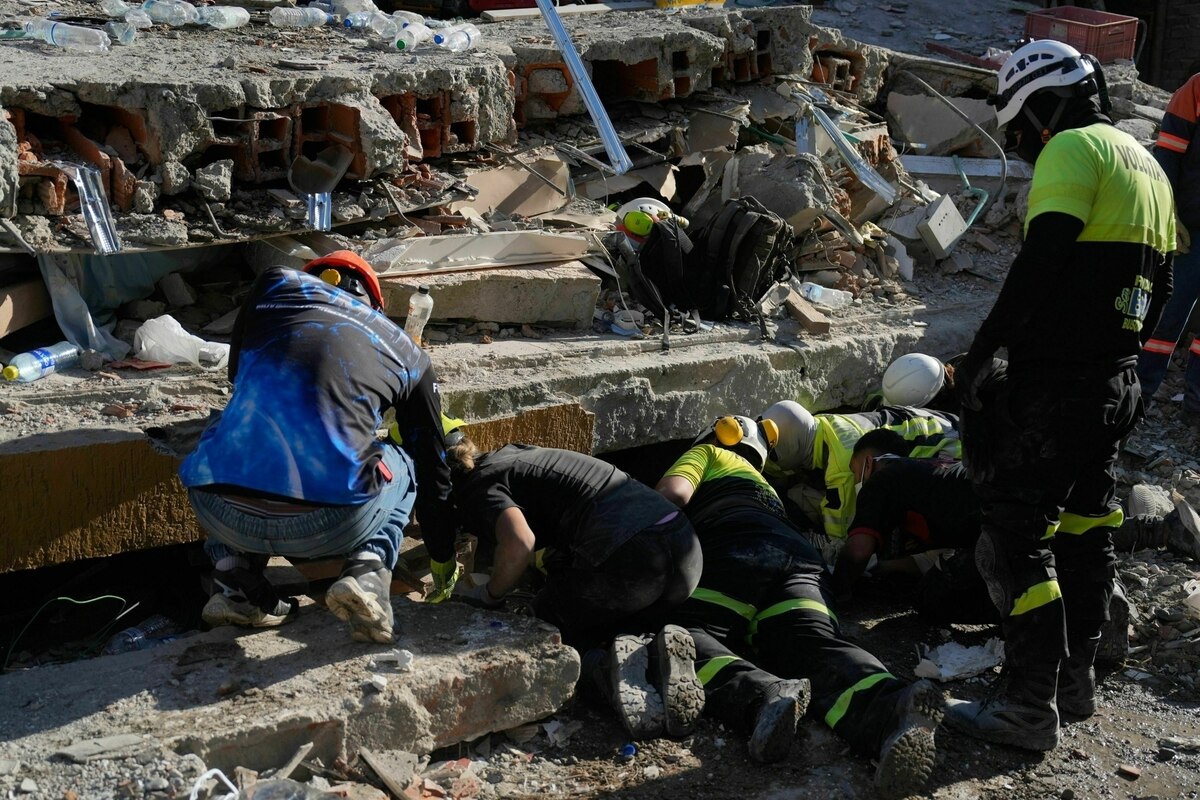
The immediate aftermath of the 7.4 magnitude earthquake in western Colombia has plunged the nation into a desperate race against time. Rescue teams are working tirelessly, but the critical 72-hour window for finding survivors trapped under rubble is rapidly closing. This timeframe is crucial for successful rescue operations, as chances of survival diminish significantly beyond this point due to factors like injuries, lack of water, and environmental exposure.
The urgency is compounded by the sheer scale of the disaster, with 265 confirmed deaths and 3,500 injured. The official count of 496 missing persons is feared to be a severe underestimation, as an unofficial database indicates relatives are searching for approximately 4,200 individuals. This discrepancy underscores the chaotic and overwhelming nature of the situation on the ground, making coordinated rescue efforts even more challenging.
Abelardo de la Espriella
Colombian President Abelardo de la Espriella, who has only recently taken office, has described the earthquake as a "tragedy of great proportions." His administration is facing immense pressure to manage the crisis effectively, especially after initial criticisms regarding the government's response. In a decisive move, President de la Espriella announced the declaration of an "economic state of emergency." This measure is intended to expedite access to funds necessary for the extensive reconstruction efforts that will be required to rebuild the damaged infrastructure and homes.
Beyond financial measures, the president also addressed the leadership of the disaster response. He appointed a new head for the National Unit for Disaster Risk Management (UNGRD), replacing an official from the previous left-wing government. This change signals an attempt to streamline and invigorate the crisis management operations under new leadership, aiming for a more efficient and coordinated response to the unfolding catastrophe.
David Tamayo
The newly appointed head of the UNGRD, David Tamayo, has outlined the strategy for bolstering the rescue and recovery efforts. He confirmed that international search and rescue teams from the USA, Israel, Ecuador, and El Salvador are actively supporting the operations. These foreign teams are crucial for providing much-needed relief to local emergency forces, who have been working continuously for several days and are in dire need of rest and recuperation.
Foreign Minister Omar Bula emphasized that humanitarian aid from various countries is being welcomed "without political considerations." This statement highlights the government's commitment to accepting assistance from any nation, regardless of ideological alignment, to address the urgent needs of the affected population. Mexico's left-wing government, for instance, has also announced aid deliveries, showcasing a broad international solidarity in the face of this natural disaster.
Key points
- A 7.4 magnitude earthquake in western Colombia has killed at least 265 people and injured 3,500.
- The crucial 72-hour window for finding survivors under rubble is closing, with 496 officially missing and an unofficial count of 4,200.
- President Abelardo de la Espriella declared an "economic state of emergency" to facilitate reconstruction funds.
- A new head, David Tamayo, has been appointed to the National Unit for Disaster Risk Management (UNGRD).
- International search and rescue teams from the USA, Israel, Ecuador, and El Salvador are assisting, with aid welcomed "without political considerations."
The influx of international search and rescue teams, coupled with the appointment of a new disaster manager, could significantly enhance the effectiveness of recovery efforts. The declaration of an economic state of emergency is expected to accelerate the flow of funds for reconstruction, potentially speeding up the rebuilding process for the tens of thousands affected.
With the critical 72-hour window for finding survivors closing, the death toll is likely to rise significantly, especially given the large number of officially and unofficially missing persons. The extensive damage to 140 collapsed buildings and tens of thousands of damaged homes presents a monumental and long-term challenge for reconstruction and recovery.