East African ministers to unveil budgets amid Iran cost shocks, debt strains
Kenya, Uganda and Tanzania will present budgets as markets watch for ways to absorb war-driven fuel and fertiliser shocks while keeping debt under control.
Intelligence analysis by GPT-5.4 Mini
The three East African governments are setting budgets while facing higher import costs from the Middle East war and heavy debt loads. In Kenya especially, investors want evidence of a more believable plan to narrow the deficit.
Three East African countries are making their yearly money plans while a faraway war makes fuel and fertilizer more expensive. It is like trying to run a house budget when the price of cooking gas suddenly jumps and the loan bill is already big.
Analysis
Budget pressure across the region
Finance ministers in Kenya, Uganda and Tanzania are due to present their 2026/27 budgets on Thursday. The article says investors are focused on whether those governments can absorb cost shocks linked to the Middle East war while still keeping public debt under control.
East Africa is exposed because it depends heavily on imported petroleum and fertiliser. The article says the African Development Bank has already cut its growth forecast for the region by half a percentage point because of those pressures.
Kenya faces the closest scrutiny
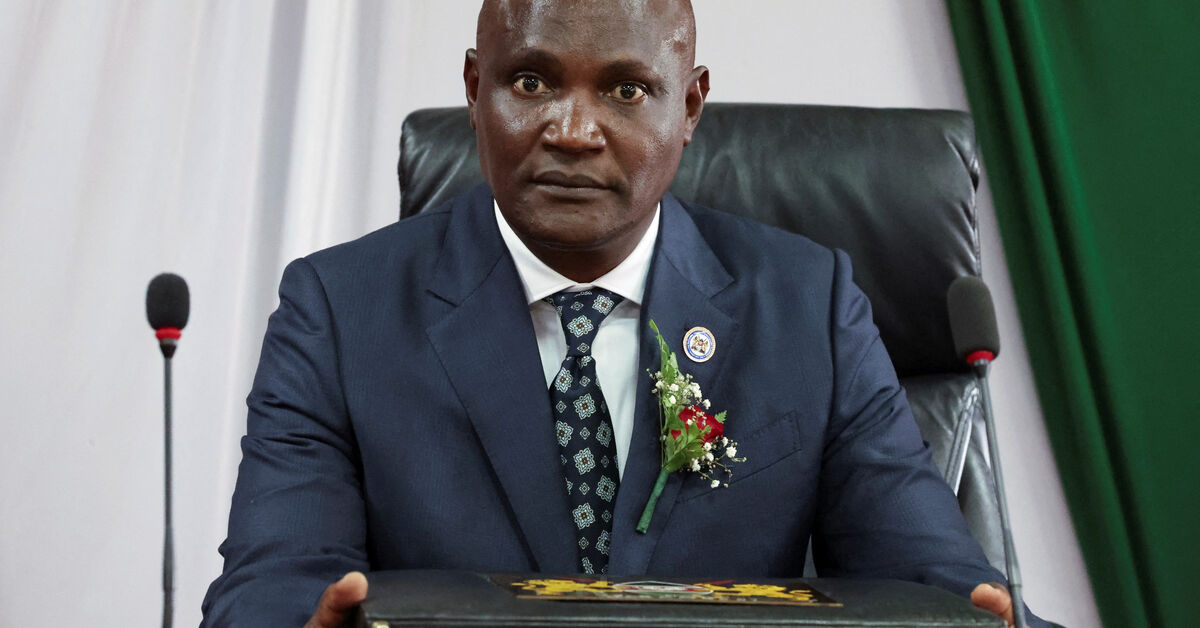
Kenya, the region's largest economy, is under the most intense market watch. The article says Finance Minister John Mbadi must juggle high debt repayments, weaker growth, a temporary cut in petroleum taxes and a wide fiscal deficit. Reuters also notes that deadly protests over fuel prices have rocked the country.
A Goldman Sachs economist quoted in the article said Treasury has missed budget targets in recent years and that the primary deficit has been too large to stabilize debt. Markets, he said, will look for a more credible fiscal path, either through spending cuts or real revenue measures that shrink the gap.
The finance ministry projected a budget deficit of 5.4% of GDP for the coming fiscal year, down from an estimated 6.4% this year. President William Ruto has said his government helped avoid a debt default in his first two years in office, while also pushing tougher tax enforcement. But the article says agencies complain about delayed funding and households say taxes have become harder to bear.
Uganda's fuel shock risk
In Uganda, analysts warn that higher oil prices could upset spending plans. A Makerere University economics lecturer quoted by Reuters said policymakers should not assume conditions will quickly normalize and should have shock-mitigation measures ready. He added that higher oil prices are lifting demand for foreign currency and feeding a foreign-exchange shock.
Key points
- Kenya, Uganda and Tanzania are about to present 2026/27 budgets to parliament.
- Investors are watching how the countries will handle war-linked fuel and fertiliser cost shocks.
- The African Development Bank has cut East Africa's growth forecast because of the pressure.
- Kenya faces concern over debt repayments, a wide deficit and slowing growth.
- Uganda could also feel strain if higher oil prices keep pushing up foreign-currency demand.
If the governments present credible spending cuts, stronger revenue collection or other deficit-reducing steps, they could calm investors. That would make it easier to manage debt while still protecting key services and growth plans.
If fuel prices stay high and the budgets do not convince markets, debt pressure could deepen, especially in Kenya. The article also points to the risk of foreign-exchange strain and further stress on households and government agencies.