Eastern Washington fires destroy 600 structures and force 60,000 to evacuate
Wildfires in and around Spokane forced the evacuation of 60,000 people and destroyed at least 600 homes and structures, while the state battles blazes across roughly 390 square miles.
Intelligence analysis by Llama
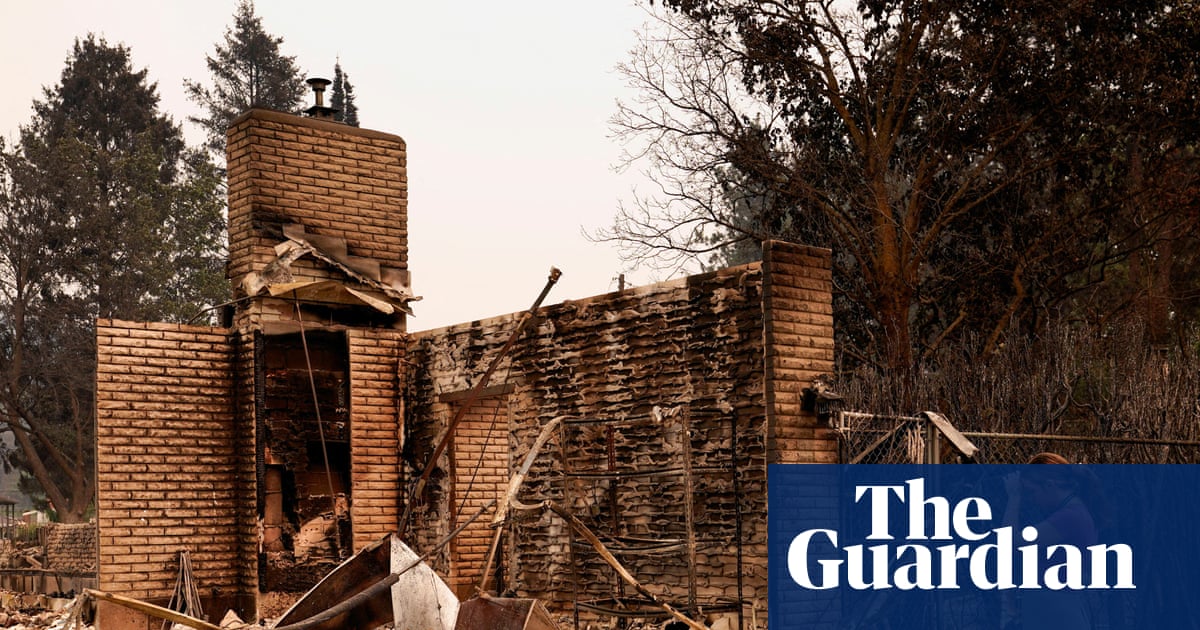
Three named fires in and around Spokane burned roughly 8.2 square miles on Sunday, triggering mass evacuations that included VA hospital patients. The Spokane blazes are part of a broader Pacific Northwest and Mountain West fire siege straining federal, state and local resources.
Big wildfires near Spokane, Washington burned down at least 600 buildings, including some people's homes. About 60,000 people had to leave and go somewhere safer while firefighters fought the flames. It's like one candle tipping into a pile of dry paper — once a fire gets going, hot weather and strong wind help it jump from spot to spot really fast.
Analysis
A City Inside the Fire Zone
Spokane, Washington's second-largest city, found itself confronting an urban wildfire emergency of rare intensity on Sunday. Three blazes — the Old Trails fire, the Fairview fire and the Meadowview fire — have burned about 8.2 square miles in and around the city, destroying at least 600 homes, businesses and other structures. Evacuation orders pushed roughly 60,000 people from their homes, and the city's US Veterans Affairs hospital had to relocate its patients. Spokane county commissioner Chris Jordan described the human toll plainly: relatives leaving their house with smoke everywhere and no certainty their home would be standing by nightfall. For a metropolitan area long accustomed to wildfire as a rural phenomenon, the perception that the fire line has effectively reached the suburbs marks a psychological threshold as much as a physical one.
Containment Outpaced by Weather
The harder challenge, as Benjamin Cossel of the federally mobilised response team from California put it, is that responders now face both weather and terrain working against them. Forecast wind gusts of 35 to 45 mph, a continued absence of precipitation and dry fuels have left little margin for tactical error. Governor Bob Ferguson declared a state of emergency on Saturday and the National Weather Service escalated to a "particularly dangerous situation" red flag alert for eastern Washington. Utilities are also feeling the strain: Avista Corp's Heather Rosenstrater said about 10,000 customers remained without power on Sunday after a peak of 30,000, and warned that elevated electricity demand over coming days could trigger further outages even in unburned neighborhoods — a reminder that the disaster footprint often extends well past the fire perimeter.
A Region Burning Together
The Spokane blazes are not an isolated event but the leading edge of a much larger western US fire outbreak. Roughly 390 square miles have burned across Washington, while a separate grass fire in western Idaho and eastern Oregon has charred nearly 525 square miles over 10 days and is threatening more than 600 homes and 800 other structures. Red flag warnings stretched across Utah, Montana and western Nebraska; extreme heat warnings covered Arizona, California, Nevada and northern Montana. US Senator Maria Cantwell's framing was blunt: "We are not out of danger. The next couple of days will be challenging." The simultaneous ignition of so many large incidents — across drought-cured grasslands, ranching country and now a major urban fringe — is exactly the compound event that overwhelms the regional firefighting model, which depends on shifting crews between isolated blazes.
Key points
- Roughly 60,000 people were evacuated in the Spokane area after three fires — Old Trails, Fairview and Meadowview — burned about 8.2 square miles on Sunday
- At least 600 homes, businesses and other structures have been destroyed, including patients evacuated from Spokane's US Veterans Affairs hospital
- Governor Bob Ferguson declared a state of emergency on Saturday and the National Weather Service issued a 'particularly dangerous situation' red flag alert
- About 10,000 Avista Corp customers remained without power on Sunday, down from a peak of 30,000, with further outages possible
- A separate 525-square-mile grass fire in western Idaho and eastern Oregon has burned for 10 days and threatens more than 1,400 structures, highlighting resource strain across the Pacific Northwest
If winds ease and containment lines hold through the next 48 hours, fire crews and the federal interagency team mobilised from California can begin to limit further destruction around Spokane and protect the threatened homes near the Idaho-Oregon grass fire. A shift in weather could allow evacuees to return and let Avista Corp restore the roughly 10,000 remaining power outages.
With forecast wind gusts up to 45 mph, persistent dry conditions and temperatures climbing above 90F mid-week, the Spokane fires — and the larger 525-square-mile Idaho-Oregon blaze — could continue to spread and force additional evacuations. Strained federal, state and local resources spread across simultaneous incidents raise the risk that another ignition escalates before crews can be repositioned.