EasyJet is an obvious takeover target, but US approach may not be a flyer
Castlelake’s easyJet approach looks tentative: valuation gaps, ownership rules, and Sir Stelios’s stake all complicate any deal.
Intelligence analysis by GPT-5.4 Mini
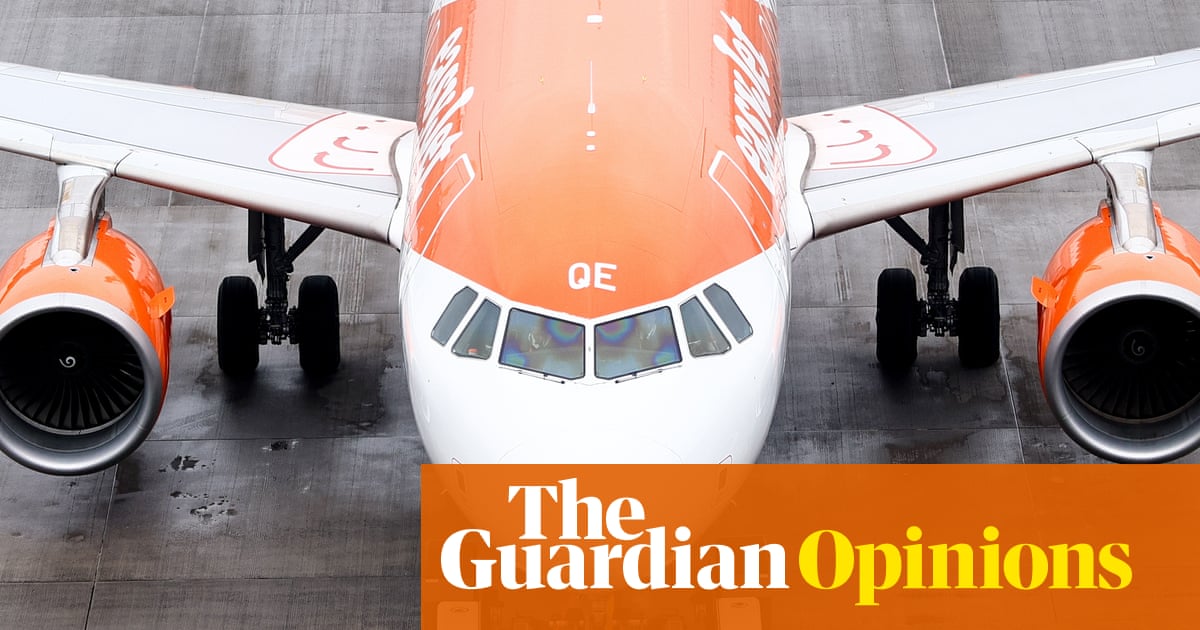
The piece says easyJet is a plausible takeover target in theory, but Castlelake’s US approach faces big hurdles on price, regulation, and shareholder politics. The market’s muted reaction suggests investors do not yet believe a bid is close.
EasyJet is like a big shop full of valuable parts, such as planes and airport spaces. Some people think another company might want to buy it, but the price would have to be very high.
The problem is that buying it is not simple. There are rules about who can own airlines, and a US fund would have to find a legal way around those rules.
It is a bit like trying to buy a bicycle, but needing special permission first, and then having to convince one of the main owners to agree. Until those things are clear, the deal is just talk.
Analysis
Why the bid talk looks shaky
Nils Pratley argues that easyJet is a natural takeover candidate in principle, but Castlelake’s reported interest does not yet look like a convincing bid. The stock rose only about 10% after the approach became public, which he reads as a sign that the market doubts a deal will happen at current levels.
Valuation and timing
A central problem is price. EasyJet has traded around 400p, while the shares were near 600p a year ago. The column notes that analysts still think this year’s profit could be as low as £100m, far below last year’s £665m, even though the company has kept a medium-term goal of more than £1bn once conditions improve. If easyJet’s board believes that recovery story, Pratley says it would need a very large premium to consider talks.
He also points out that easyJet has substantial asset value. Analysts cited in the piece describe the airline as a bundle of aircraft, orderbook rights, and landing slots, with book-value estimates for the owned fleet around 615p to 650p a share. That weakens the case for a cheap bid, because easyJet could potentially use some of those same asset ideas while remaining standalone.
Structural obstacles
The other issue is deliverability. As a US fund, Castlelake would have to navigate the rule that majority UK/EU ownership is required for airlines like easyJet. The article says it is unclear what structure would solve that problem, and suggests the market would need clarity before meaningful talks could begin. Sir Stelios Haji-Ioannou’s family still owns 15%, which could also complicate any deal.
Pratley’s broader point is that easyJet has long been seen as a possible consolidation target, but airlines, not financiers, have usually looked like the likelier buyers. Castlelake says it has bought a 2% stake, which shows some seriousness, but the article concludes that the bid still feels distant.
Key points
- The article says easyJet is a plausible takeover target, but Castlelake’s approach looks far from certain.
- The market’s modest 10% share-price reaction suggests investors doubt a deal is imminent.
- Valuation is a major issue, with analysts estimating asset values above the current share price.
- European airline ownership rules could make a US-led bid hard to execute.
- Sir Stelios Haji-Ioannou’s family stake could complicate any transaction.
If travel demand and fuel costs improve, easyJet could support the higher earnings target it has kept in view. That would strengthen its position whether it stays independent or enters talks from a stronger base.
If summer bookings stay weak or fuel prices rise, easyJet’s profits could remain well below the longer-term target the company cites. A bid could also stall if Castlelake cannot solve ownership rules or win over key shareholders.