Ebola Congo cases surpass 5,000 as record-setting pace of spread continues
The Ebola outbreak in Congo has reached 5,000 cases, with 2,378 deaths, as responders warn it is spreading at an unprecedented speed outpacing efforts to slow it in one of the country's remotest regions.
Intelligence analysis by Llama
The Ebola outbreak in Congo has surpassed 5,000 cases, with the virus spreading rapidly and the risk of further national and international spread remaining high. The outbreak has infected and killed more people at a greater speed than any other outbreak in history.
Imagine a super-fast virus that spreads really quickly and makes people very sick. That's what's happening in Congo right now. The virus is called Ebola, and it's really hard to stop because there's no cure. The people who are trying to stop it are getting hurt, and it's making it even harder to stop the virus.
Analysis
5,000 Cases and Counting: The Unprecedented Spread of Ebola in Congo
The Ebola outbreak in Congo has reached a grim milestone, with over 5,000 cases reported as of Sunday. This is a stark reminder of the devastating impact of the virus, which has claimed the lives of 2,378 people. The outbreak, which was declared on May 15, has spread rapidly, fueled by insecurity, displacement, and intense population movements. The World Health Organization (WHO) has warned that the outbreak is far from being under control, with the risk of further national and international spread remaining high.
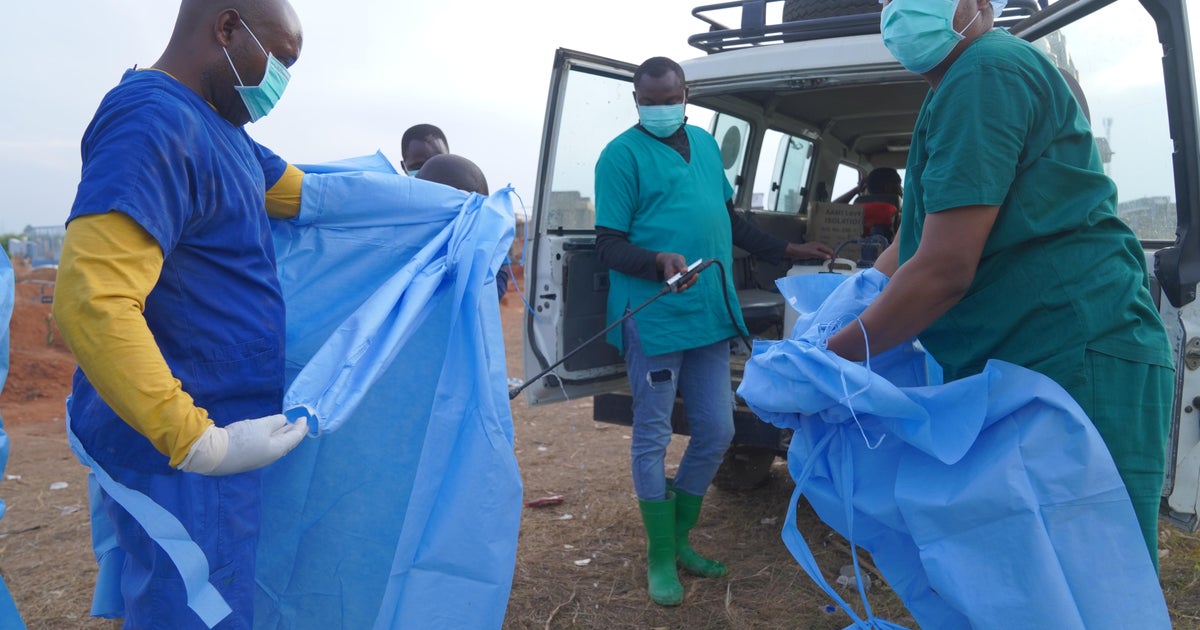
The current outbreak is caused by the Bundibugyo species of Ebola, which has no approved vaccines or treatments. This has made it even more challenging for responders to contain the outbreak. The WHO has been working closely with the Congolese government and other partners to respond to the outbreak, but the situation remains dire. The attack on a health team in Ituri province on Monday is a stark reminder of the risks faced by responders. The mob set fire to an ambulance and damaged two other vehicles, highlighting the need for increased security measures to protect responders.
The WHO has called for increased support to contain the outbreak, including more funding, personnel, and equipment. The organization has also emphasized the need for increased awareness and education among the public to prevent the spread of the virus. The outbreak has also highlighted the need for improved healthcare infrastructure in Congo, particularly in remote areas. The government has promised to increase funding for healthcare, but more needs to be done to address the root causes of the outbreak.
In conclusion, the Ebola outbreak in Congo is a complex and multifaceted issue that requires a comprehensive response. The international community must come together to support the Congolese government and responders in containing the outbreak. Only through collective action can we hope to prevent the spread of the virus and save lives.
Key points
- The Ebola outbreak in Congo has reached 5,000 cases, with 2,378 deaths.
- The outbreak is spreading rapidly, fueled by insecurity, displacement, and intense population movements.
- The WHO has warned that the outbreak is far from being under control, with the risk of further national and international spread remaining high.
- The attack on a health team in Ituri province highlights the need for increased security measures to protect responders.
- The WHO has called for increased support to contain the outbreak, including more funding, personnel, and equipment.
If the international community comes together to support the Congolese government and responders, it's possible to contain the outbreak and prevent further spread. Increased funding, personnel, and equipment can help to improve healthcare infrastructure and increase awareness and education among the public.
The outbreak could continue to spread rapidly, fueled by insecurity, displacement, and intense population movements. The lack of approved vaccines or treatments makes it even more challenging to contain the outbreak, and the risk of further national and international spread remains high.