Ebola in DR Congo: River boat under quarantine after five deaths
A boat carrying 255 passengers on the Congo River has been quarantined near Kinshasa for Ebola and cholera screening after five deaths, including a passenger who disembarked earlier and died in hospital. Authorities are taking precautionary measures to prevent the spread …
Intelligence analysis by Gemini 2.5 Flash
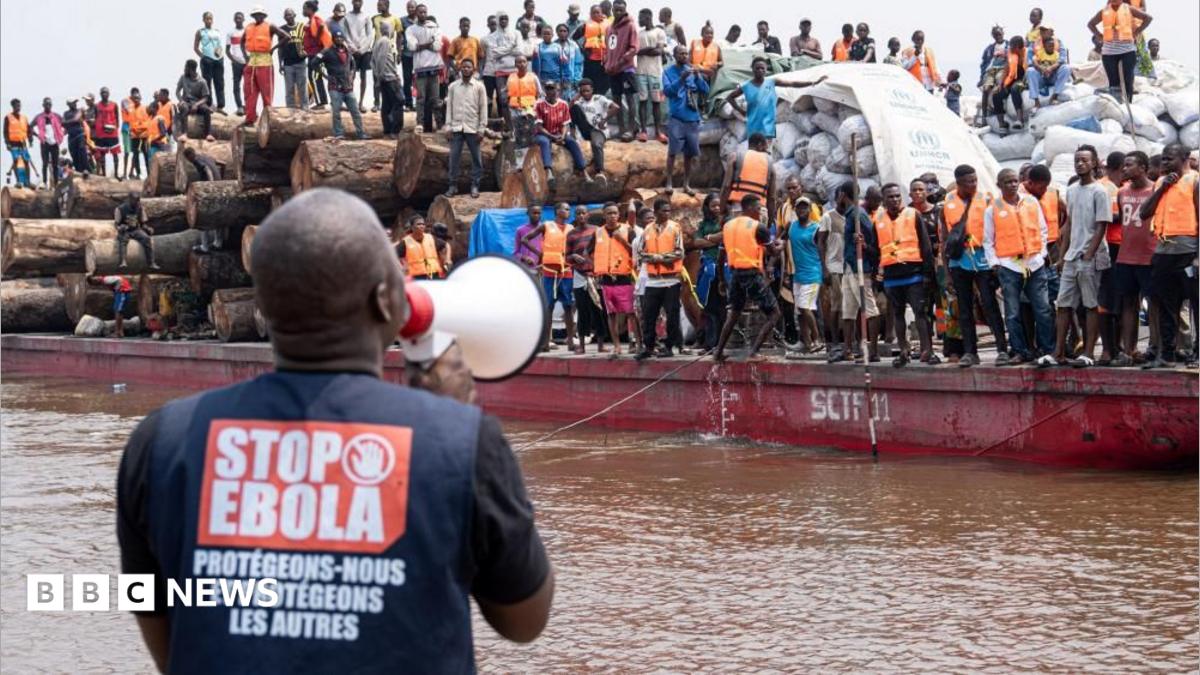
Congolese authorities have intercepted the Yingfeng 2 river boat, carrying 255 people, upstream from Kinshasa to conduct urgent Ebola and cholera screenings. This precautionary measure follows the deaths of five individuals, including a passenger who had disembarked earlier, raising concerns about the potential spread of the rare Bundibugyo Ebola species into the capital.
Imagine a big boat full of people traveling down a long river. Some people on the boat got sick, and sadly, five of them died. Doctors think it might be a very rare kind of germ called Ebola, which can make people very ill. So, the government stopped the boat before it reached a big city called Kinshasa. Now, doctors are checking everyone on the boat with special tests to make sure no one else has the germ, like checking for a tiny invisible monster, so it doesn't spread to the city.
Analysis
Yingfeng 2
The interception of the Yingfeng 2, a vessel operated by a Chinese company, on the Congo River marks a critical moment in DR Congo's ongoing battle against Ebola. Carrying 255 passengers, the boat was halted near Bende Bende port, approximately 65km from Kinshasa, following reports of multiple deaths. This proactive measure by Congolese authorities, supported by the World Health Organization, underscores the urgency of preventing the virus's potential spread into densely populated urban areas.
The vessel's journey from Kisangani, DR Congo's third-largest city, spanning over 1,700km downstream, illustrates the vast distances and logistical challenges involved in disease surveillance and containment in the region. The decision to quarantine the boat offshore, in line with WHO standards, is a testament to the lessons learned from previous outbreaks, emphasizing the need for swift and decisive action to protect public health. The presence of health ministry and WHO teams on board, equipped with a mobile lab, demonstrates a coordinated international and national response.
Bundibugyo
The current Ebola outbreak, the 17th for DR Congo since May 15, is particularly concerning due to its cause: the rare Bundibugyo species of the virus. This strain has not been widely observed for over a decade, presenting unique challenges for medical professionals and public health officials. A significant hurdle is the lack of specific drug treatments or an approved vaccine for Bundibugyo, although human trials for a vaccine are reportedly underway in the UK.
The absence of established medical countermeasures means that containment strategies heavily rely on rapid identification, isolation, and contact tracing. The article notes that infections and deaths continue to rise three months after the outbreak was declared, with official figures indicating 3,973 confirmed cases and 1,801 deaths, making it the second deadliest Ebola outbreak recorded. This grim statistic highlights the virulence of the Bundibugyo strain and the difficulties in controlling its transmission without targeted therapies.
Kinshasa
The interception of the Yingfeng 2 so close to Kinshasa underscores the significant threat posed to the capital city. With a large, dense population, Kinshasa represents a high-risk environment for rapid virus dissemination if an infected individual were to enter undetected. Authorities are intensifying preparations for a possible Bundibugyo response within Kinshasa, focusing on reinforcing surveillance and rapid-response capabilities at key entry points like Maluku.
These precautionary measures, while not indicating confirmed cases in Kinshasa yet, reflect the gravity of the situation and the lessons learned from past urban Ebola outbreaks. The goal is to establish robust defenses to prevent the virus from gaining a foothold in the capital, which could have devastating consequences for public health and economic stability. The ongoing monitoring of over 17,000 people who have come into contact with Ebola cases across five provinces further illustrates the extensive efforts required to manage the outbreak's spread.
Key points
- A boat with 255 passengers was quarantined on the Congo River near Kinshasa.
- The measure was taken after five deaths, including a passenger who disembarked earlier, raised Ebola and cholera concerns.
- Health ministry and WHO teams are conducting screenings and tests with a mobile lab on board.
- The current outbreak is caused by the rare Bundibugyo Ebola species, for which there are no specific treatments or vaccines.
- DR Congo is experiencing its 17th Ebola outbreak, with 3,973 confirmed cases and 1,801 deaths reported.
The swift interception and quarantine of the Yingfeng 2, coupled with immediate screening by health ministry and WHO teams, demonstrate a robust and proactive public health response. If no passengers test positive after the incubation period, it would signify successful containment and prevent the rare Bundibugyo strain from reaching Kinshasa, mitigating a potentially catastrophic urban outbreak.
Despite the precautionary measures, the sheer number of passengers and the long journey of the boat present a significant risk of undetected transmission. Given the lack of specific treatments or vaccines for the Bundibugyo strain, any failure in containment could lead to a rapid and severe outbreak in Kinshasa, overwhelming health infrastructure and exacerbating the already dire humanitarian situation.