ECB raises eurozone interest rates as Iran war stokes inflation
The ECB raised rates for the first time since 2023 after Iran war-driven energy costs pushed eurozone inflation higher.
Intelligence analysis by GPT-5.4 Mini
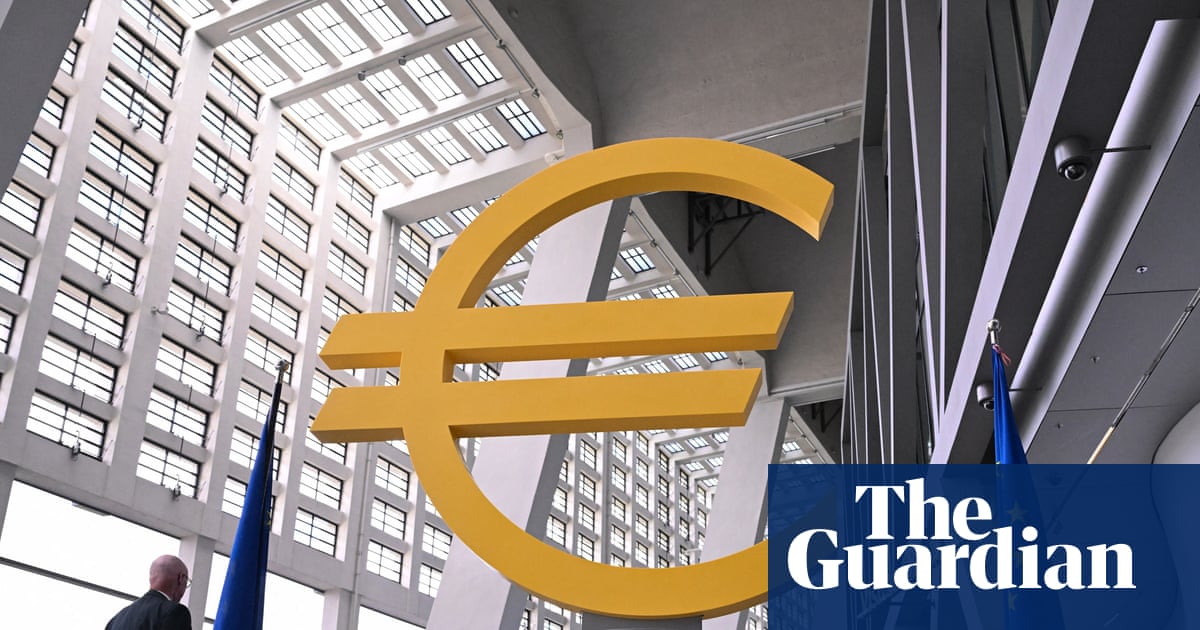
The European Central Bank has started raising rates again, saying the Iran war has worsened inflation pressures and clouded the growth outlook. Markets expect more hikes, but some economists think the tightening cycle may stay shallow if growth keeps weakening.
The ECB is like the eurozone’s money thermostat. When prices start rising too fast because fuel costs jump, it turns the knob up by raising interest rates to cool things down, even if that also makes borrowing harder.
Analysis
What happened
The European Central Bank raised its main deposit rate from 2% to 2.25%, its first increase since 2023. It also lifted the main refinancing rate to 2.4% from 2.15%. The move comes as eurozone inflation picked up to 3.2% in May 2026, above the ECB’s 2% target.
Why the ECB acted
According to the article, the war in Iran has pushed energy costs higher, and the ECB concluded that the price shock was already filtering through the economy. Christine Lagarde said the outlook for inflation and growth remained uncertain, and warned that the effect of the conflict would depend on how long the energy shock lasts and how much it spreads into other prices.
The central bank had previously waited, hoping a peace deal might limit the need for tighter policy. That did not happen, and oil prices stayed above $90 a barrel, versus about $70 before the war.
Growth is weakening too
The ECB also trimmed its eurozone growth forecasts, cutting 2026 growth to 0.8% and 2027 growth to 1.2%. That leaves policymakers trying to balance two risks at once: inflation is rising, but the economy is softening.
Market and analyst reaction
Financial markets expect this to be the first of three hikes by next spring. But Deutsche Bank economist Mark Wall argued the ECB may not go that far, saying growth is slowing, unemployment is rising, and the bank may only manage one more hike in September.
The story also notes that the Bank of England and the US Federal Reserve are both expected to hold rates steady at their next meetings while they assess the inflation impact of higher energy prices.
Key points
- The ECB raised its main deposit rate from 2% to 2.25%, the first hike since 2023.
- Eurozone inflation rose to 3.2% in May 2026, above the ECB’s 2% target.
- Lagarde said the inflation and growth outlook is uncertain because of the war in Iran and higher energy costs.
- The ECB cut its eurozone growth forecasts for 2026 and 2027.
- Markets expect more hikes, but some economists think the cycle may be short.
If the rate rise helps slow inflation early, the ECB may avoid a bigger and more disruptive tightening cycle later. That could help keep price pressures from spreading beyond energy into other goods and services. If markets see the ECB as serious, inflation expectations could stay more anchored near the 2% target.
If the war keeps energy prices high, inflation could stay elevated even after the rate increase, forcing the ECB into more hikes. That would raise borrowing costs further just as growth is already being revised down. A weaker economy with rising unemployment could make it harder for higher rates to do much good, leaving policymakers with both slower growth and stubborn inflation.