Egypt, Oman FMs stress need to keep Strait of Hormuz open
The Foreign Ministers of Egypt and Oman, Badr Abdelatty and Badr bin Hamad Al Busaidi, discussed bilateral relations and regional developments, emphasizing the critical need to maintain the security and freedom of navigation through the Strait of Hormuz.
Intelligence analysis by Gemini 2.5 Flash
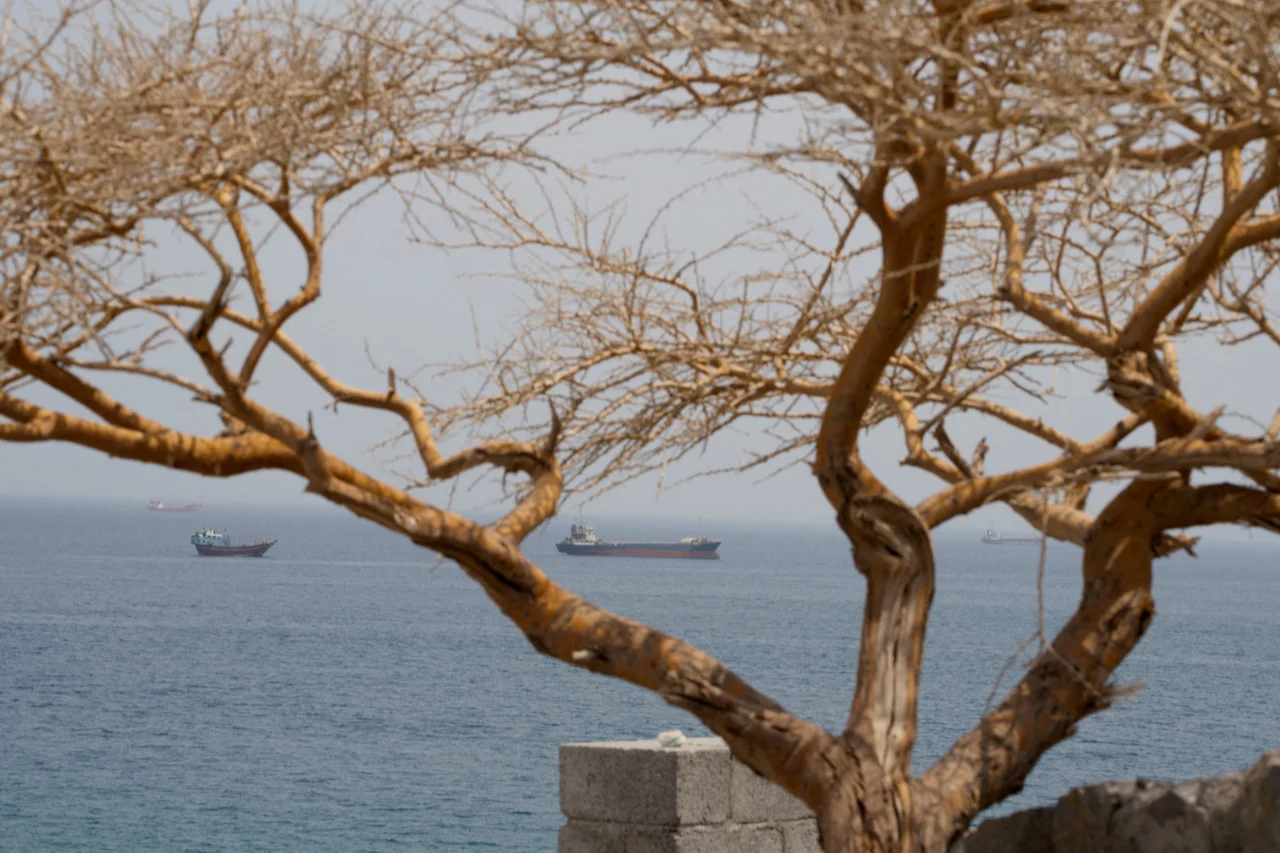
During a phone call, the top diplomats from Egypt and Oman underscored the deep fraternal ties between their nations and their commitment to strengthening cooperation. They focused on the anticipated Iranian-Omani joint announcement regarding the reopening of the Strait of Hormuz, stressing its vital importance for regional stability and the global economy, and advocating for continue…
Imagine a very important road that almost all the world's oil ships use, like a super busy highway for fuel. If that road gets blocked or becomes dangerous, it causes big problems for everyone, making gas more expensive and making it harder to get things around the world. So, two countries, Egypt and Oman, are talking to make sure this important road, called the Strait of Hormuz, stays open and safe for everyone, hoping to calm down any arguments in the neighborhood.
Analysis
Strait of Hormuz
The Strait of Hormuz stands as one of the world's most strategically vital waterways, connecting the Persian Gulf with the Arabian Sea and beyond. A significant portion of the world's seaborne oil passes through this narrow passage, making its unimpeded flow essential for global energy security and economic stability. Any disruption, whether due to geopolitical tensions or military actions, has immediate and far-reaching consequences for international trade, supply chains, and energy prices.
The Egyptian and Omani foreign ministers explicitly highlighted this global dependency, noting that the current situation's continuation would negatively impact not only regional countries but also the broader international economy. Their joint emphasis on ensuring the security, safety, and freedom of navigation through the Strait underscores a shared understanding of its critical role in maintaining global economic equilibrium and preventing wider geopolitical instability.
Egypt and Oman
Egypt and Oman share deep-rooted fraternal and historic ties, which their foreign ministers praised during their recent phone discussion. This strong bilateral relationship is further bolstered by the close rapport between President Abdel Fattah al-Sisi and Sultan Haitham bin Tarik, fostering a conducive environment for enhanced cooperation across various sectors. Their shared commitment extends beyond bilateral interests to encompass regional stability, as evidenced by their coordinated diplomatic efforts regarding the Strait of Hormuz.
The two nations have consistently affirmed their dedication to strengthening cooperation, aiming to serve the mutual interests of their peoples. This diplomatic alignment is particularly significant in the context of Middle Eastern geopolitics, where coordinated action among moderate states can play a crucial role in de-escalating tensions and promoting peaceful resolutions. Their agreement to maintain close consultations and coordination on regional developments signals a proactive approach to safeguarding security and stability.
Iranian-Omani joint announcement
The phone call between the Egyptian and Omani foreign ministers specifically addressed the anticipated Iranian-Omani joint announcement concerning the reopening of the Strait of Hormuz. This indicates Oman's active role as a mediator and facilitator in regional diplomacy, particularly in matters involving Iran. Oman has historically maintained good relations with Iran and often serves as a bridge between Tehran and other regional or international actors, making its involvement in such an announcement highly significant.
This anticipated announcement is framed within the broader objective of easing tensions and creating conditions for a return to negotiations. The ultimate goal, as stressed by the ministers, is to achieve a comprehensive and sustainable agreement that addresses various concerns and bolsters regional security and stability. Such a diplomatic breakthrough, facilitated by Omani efforts, could represent a crucial step towards de-escalation and a more peaceful resolution of ongoing regional disputes, particularly those impacting vital maritime routes.
Key points
- Egypt and Oman's Foreign Ministers discussed strengthening bilateral ties and regional developments.
- They stressed the vital importance of keeping the Strait of Hormuz open for international shipping.
- Disruption to the Strait would affect the global economy, energy security, and supply chains.
- The ministers highlighted an anticipated Iranian-Omani joint announcement on reopening the Strait.
- Both sides agreed to continue diplomatic efforts to de-escalate tensions and prioritize political solutions.
If diplomatic efforts succeed, the anticipated Iranian-Omani joint announcement could lead to a formal reopening or guaranteed security of the Strait of Hormuz, significantly easing regional tensions. This would bolster global energy security, stabilize international trade routes, and create a more favorable environment for broader negotiations aimed at a comprehensive and sustainable peace in the Middle East.
Should diplomatic efforts fail or tensions escalate further, the Strait of Hormuz could face increased risks of disruption, potentially leading to severe impacts on global energy supplies and international trade. Such a scenario would heighten regional instability, trigger economic repercussions worldwide, and make a return to negotiations much more challenging.
Market signals
- OIL Diplomatic efforts to ensure the openness and security of the Strait of Hormuz would reduce supply-route risks, potentially easing upward pressure on oil prices.
AI-generated analysis of potential market relevance. Not financial advice.