Egypt Seeks to Develop Its Defense Industries and Options in Technology Sources and Their Potential Consequences
Egypt is facing a major challenge in securing the supply chains for its military needs, including arms, spare parts, and ammunition. To overcome this, Egypt is seeking to develop its local defense industries by transferring technology and knowledge from major arms-produci…
Intelligence analysis by Llama
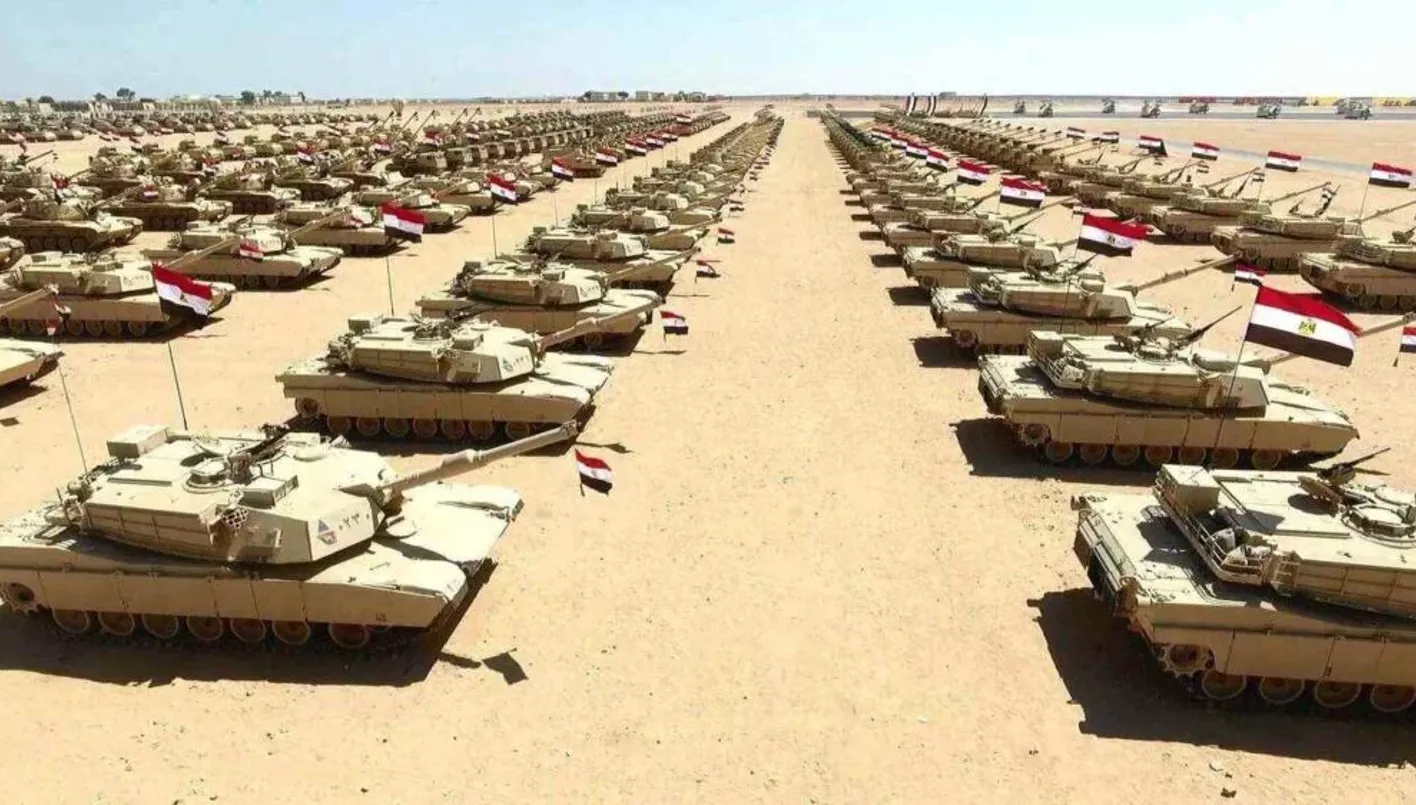
Egypt is trying to develop its defense industries by acquiring technology and knowledge from major arms-producing countries. However, the main challenge is obtaining the consent of the producing countries to transfer technology completely, while allowing Egypt to own the intellectual property rights and produce and develop the systems locally.
Imagine Egypt wants to make its own tanks and guns, but it needs help from other countries to learn how to do it. The problem is that the other countries don't want to share all their secrets, so Egypt has to figure out how to make its own tanks and guns without getting in trouble. This is like a big puzzle that Egypt needs to solve.
Analysis
Egypt's Defense Industry Challenges
Egypt is facing a significant challenge in securing the supply chains for its military needs, including arms, spare parts, and ammunition. This has led the country to seek ways to develop its local defense industries by transferring technology and knowledge from major arms-producing countries.
The Main Obstacle: Intellectual Property Rights
The main obstacle in this process is obtaining the consent of the producing countries to transfer technology completely, while allowing Egypt to own the intellectual property rights and produce and develop the systems locally. The producing countries impose strict conditions to protect their technology and intellectual property, which complicates the process of local production and development.
Egypt's Experience with Local Production
Egypt has a long history of local production of defense systems, with the National Organization for Military Production (NOMP) being the oldest company in the Arab world specializing in defense production. NOMP has been producing a wide range of military equipment, including tanks, artillery, and ammunition, in its various factories across the country. Additionally, Egypt has other companies that produce defense systems, such as the Arab Organization for Industrialization (AOI) and other private sector companies.
Challenges and Opportunities
Despite the challenges, Egypt's efforts to develop its defense industries offer opportunities for growth and development. The country's ability to produce and develop its own defense systems will reduce its dependence on foreign countries and enhance its ability to respond to emerging threats. Furthermore, the development of local defense industries will create job opportunities and stimulate economic growth.
Conclusion
In conclusion, Egypt's efforts to develop its defense industries are crucial for its national security and self-sufficiency. The country's ability to produce and develop its own defense systems will reduce its dependence on foreign countries and enhance its ability to respond to emerging threats. While there are challenges to overcome, the opportunities for growth and development make this a worthwhile pursuit.
Key points
- Egypt is facing a major challenge in securing the supply chains for its military needs.
- The country is seeking to develop its local defense industries by transferring technology and knowledge from major arms-producing countries.
- The main obstacle is obtaining the consent of the producing countries to transfer technology completely, while allowing Egypt to own the intellectual property rights and produce and develop the systems locally.
- Egypt has a long history of local production of defense systems, with the National Organization for Military Production (NOMP) being the oldest company in the Arab world specializing in defense production.
- The development of local defense industries will create job opportunities and stimulate economic growth.
If Egypt is successful in developing its local defense industries, it will reduce its dependence on foreign countries and enhance its ability to respond to emerging threats. This will also create job opportunities and stimulate economic growth. Additionally, Egypt's ability to produce and develop its own defense systems will make it a more secure and stable country.
If Egypt fails to develop its local defense industries, it will remain dependent on foreign countries for its military needs. This will make it vulnerable to external threats and limit its ability to respond to emerging challenges. Furthermore, the lack of local production will also hinder economic growth and job creation.