El Salvador’s post-review Bitcoin accumulation used no public funds: IMF
The IMF confirmed that El Salvador's Bitcoin accumulation since June 2025, including a $100 million acquisition, was funded by private donations, not public resources. This clarification addresses concerns regarding the country's compliance with its $1.4 billion IMF finan…
Intelligence analysis by Gemini 2.5 Flash
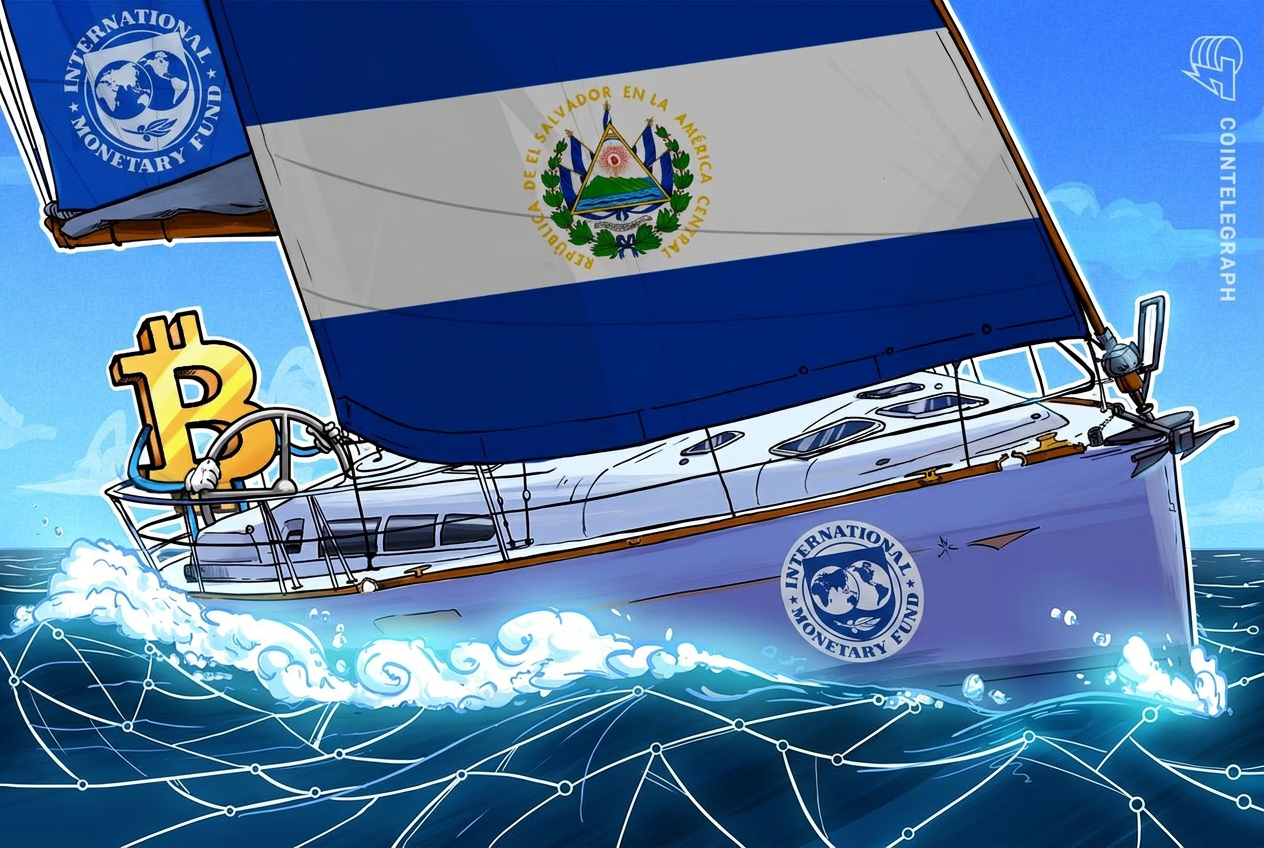
El Salvador's recent Bitcoin acquisitions, which had raised questions about its adherence to an IMF financing program, have been clarified by the International Monetary Fund. The IMF stated that documents from Salvadoran authorities verified these additions came from private donations, ensuring no public funds were used for the accumulation post-June 2025 review.
Imagine El Salvador is collecting special digital coins called Bitcoin. The grown-ups at the IMF, who help countries with money, were worried El Salvador was spending its piggy bank money (public funds) on these coins. But now, the IMF says El Salvador actually got all the new coins from generous friends (private donations), not from its piggy bank. So, it's like El Salvador got gifts of coins, which makes the IMF less worried about how they're managing their money.
Analysis
Private Donations
The International Monetary Fund (IMF) has provided a significant clarification regarding El Salvador's Bitcoin accumulation, stating that no public funds were utilized for purchases made after the first review of its financing program in June 2025. This statement directly addresses previous concerns that arose when El Salvador reported a substantial acquisition of 1,090 BTC, valued at $100 million, in November 2025. According to the IMF, Salvadoran authorities supplied documents verifying that these additional Bitcoin holdings were sourced entirely from private donations. This distinction is critical, as it implies that the increase in El Salvador's Bitcoin reserves did not involve government resources, thereby mitigating potential conflicts with the terms of its $1.4 billion IMF program.
The IMF's verification suggests a pathway for nations to engage with Bitcoin without directly impacting public finances, potentially setting a precedent for other countries considering similar strategies. The lender explicitly stated that no further accumulation beyond these documented private donations is anticipated, providing a clear boundary for El Salvador's Bitcoin strategy under the current agreement. This move by the IMF aims to ensure transparency and compliance, particularly given the ongoing scrutiny of El Salvador's unique position as the first country to adopt Bitcoin as legal tender.
Chivo Wallet
Another key aspect of the IMF's recent statement concerns the operational control and ownership structure of El Salvador's state-backed Chivo wallet. The IMF confirmed that the majority ownership and operational control of the Chivo wallet have been transferred to a private operator. This move aligns with earlier agreements and recommendations from the IMF, which sought to limit public-sector involvement in Bitcoin-related ventures within El Salvador.
While the government has relinquished majority control, it retains a minority stake and custodial responsibilities for the Chivo wallet. This hybrid model suggests a compromise, allowing the government to maintain some oversight and involvement while shifting the primary operational burden and financial risk to the private sector. The transfer of control is a significant development, reflecting the ongoing efforts to balance El Salvador's innovative Bitcoin policies with the financial stability requirements and recommendations of international lenders.
IMF Program
El Salvador's relationship with the IMF regarding its Bitcoin policy has been a subject of continuous dialogue and occasional tension. In December 2024, El Salvador agreed to specific limitations on public-sector involvement in Bitcoin as part of its IMF package. These terms included making private-sector Bitcoin acceptance voluntary, requiring taxes to be paid in US dollars, and unwinding government involvement in the Chivo wallet. Despite these agreements, President Nayib Bukele publicly stated in March 2025 that Bitcoin purchases would not cease, with El Salvador continuing to add at least one BTC daily.
This defiance led to repeated questions and clarifications. In July 2025, the IMF initially explained that no new Bitcoin had been purchased since the December agreement, attributing increases to consolidation among government wallets. However, the November announcement of a $100 million acquisition reopened the issue, prompting the latest clarification from the IMF. The National Bitcoin Office's official reserve tracker currently shows El Salvador holding approximately 7,764 Bitcoin, valued at about $628 million at current prices, a balance significantly higher than before the IMF agreement, reflecting the additions now attributed to private donations.
Key points
- The IMF confirmed El Salvador used no public funds for Bitcoin accumulation since June 2025.
- Recent Bitcoin acquisitions, including a $100 million purchase, were attributed to private donations.
- Majority ownership and operational control of the Chivo wallet have been transferred to a private operator.
- El Salvador's government retains a minority stake and custodial responsibilities for the Chivo wallet.
- The clarification addresses concerns about El Salvador's compliance with its $1.4 billion IMF financing program.
The IMF's clarification could ease financial tensions between El Salvador and the international lender, potentially paving the way for continued or renewed access to crucial financing. This transparency regarding funding sources might also encourage other nations to explore Bitcoin adoption through private means, fostering a more diverse global crypto landscape.
Despite the clarification, the underlying philosophical differences between El Salvador's pro-Bitcoin stance and the IMF's traditional financial recommendations persist. Future Bitcoin accumulations, even if privately funded, could still raise questions about financial stability or regulatory compliance, potentially leading to renewed scrutiny and hindering El Salvador's long-term financial relationships.