Election Thriller in Sweden: Close Race, Sweden Democrats Lose
The Swedish parliamentary election resulted in a tight race, with the left-green opposition slightly ahead but without a clear path to government formation. The Social Democrats emerged as the strongest party, while the right-wing populist Sweden Democrats experienced une…
Intelligence analysis by Gemini 2.5 Flash
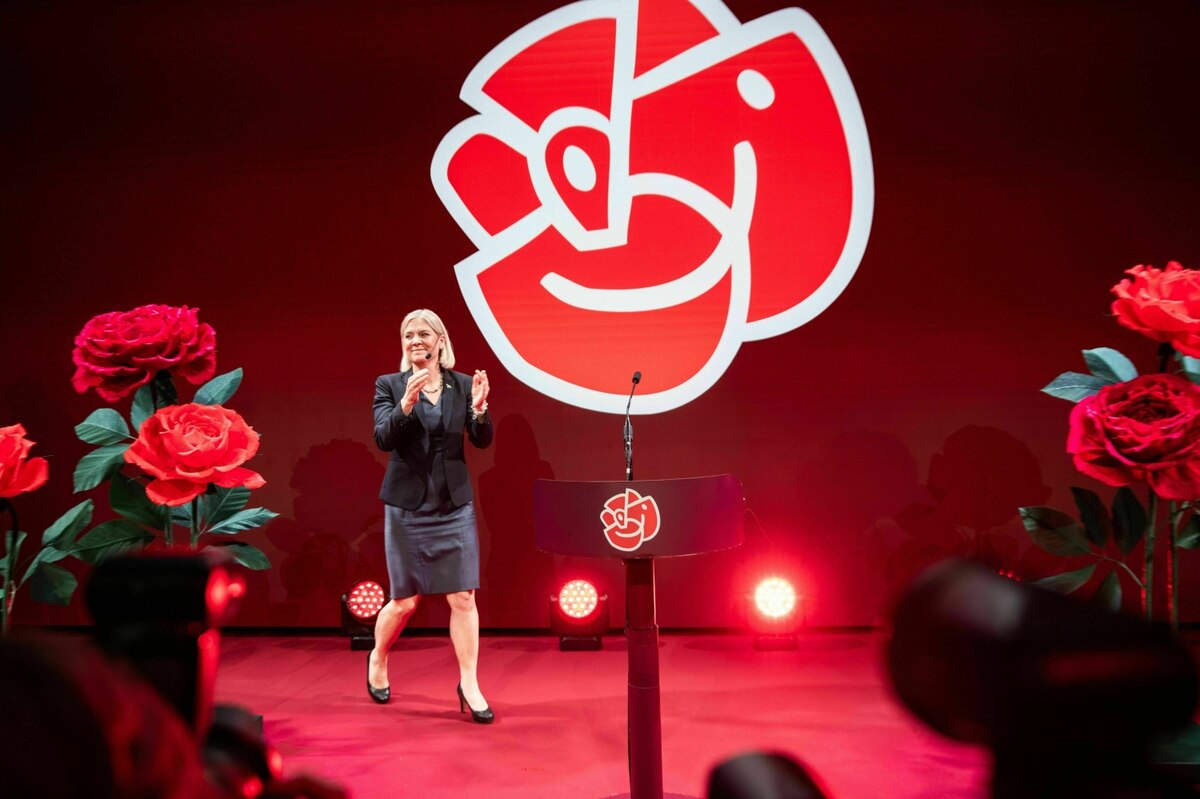
Sweden's recent parliamentary election has led to a political deadlock, as neither the left-green bloc nor the liberal-conservative-right bloc secured a decisive majority. The Social Democrats, led by Magdalena Andersson, are the largest party, but forming a stable coalition will be challenging, potentially leading to new elections.
Imagine Sweden just had a big school election for who gets to be the class president. It was super close, like a tie! The team that was expected to win big didn't, and the team that usually gets lots of votes actually lost some. Now, nobody knows who will be the class president because no team has enough friends to make a strong group, so they might have to vote again!
Analysis
The article describes a highly uncertain political landscape in Sweden following its parliamentary election. The outcome has left both major blocs without a clear path to forming a government, signaling a period of complex negotiations and potential instability. This situation resonates with broader European political trends, where fragmented electorates often lead to difficult coalition-building processes.
Magdalena Andersson
Magdalena Andersson, leader of the Social Democrats and former Prime Minister, finds her party emerging as the strongest single force in the parliament. Despite this, her party's performance is described as a "record-poor result," as she failed to translate a significant lead in pre-election polls into a decisive victory. This outcome complicates her ability to form a stable left-green government, particularly given the reluctance of her potential coalition partners, the Centre Party and the Greens, to include the Left Party.
The challenge for Andersson lies in bridging ideological divides within her own bloc while also securing enough parliamentary seats. The article highlights that a coalition solely with the Centre Party and the Greens would not suffice, forcing her to consider the Left Party, which is currently an unwelcome partner for some. This internal friction underscores the difficulties in achieving a cohesive governing alliance, even among ideologically aligned parties.
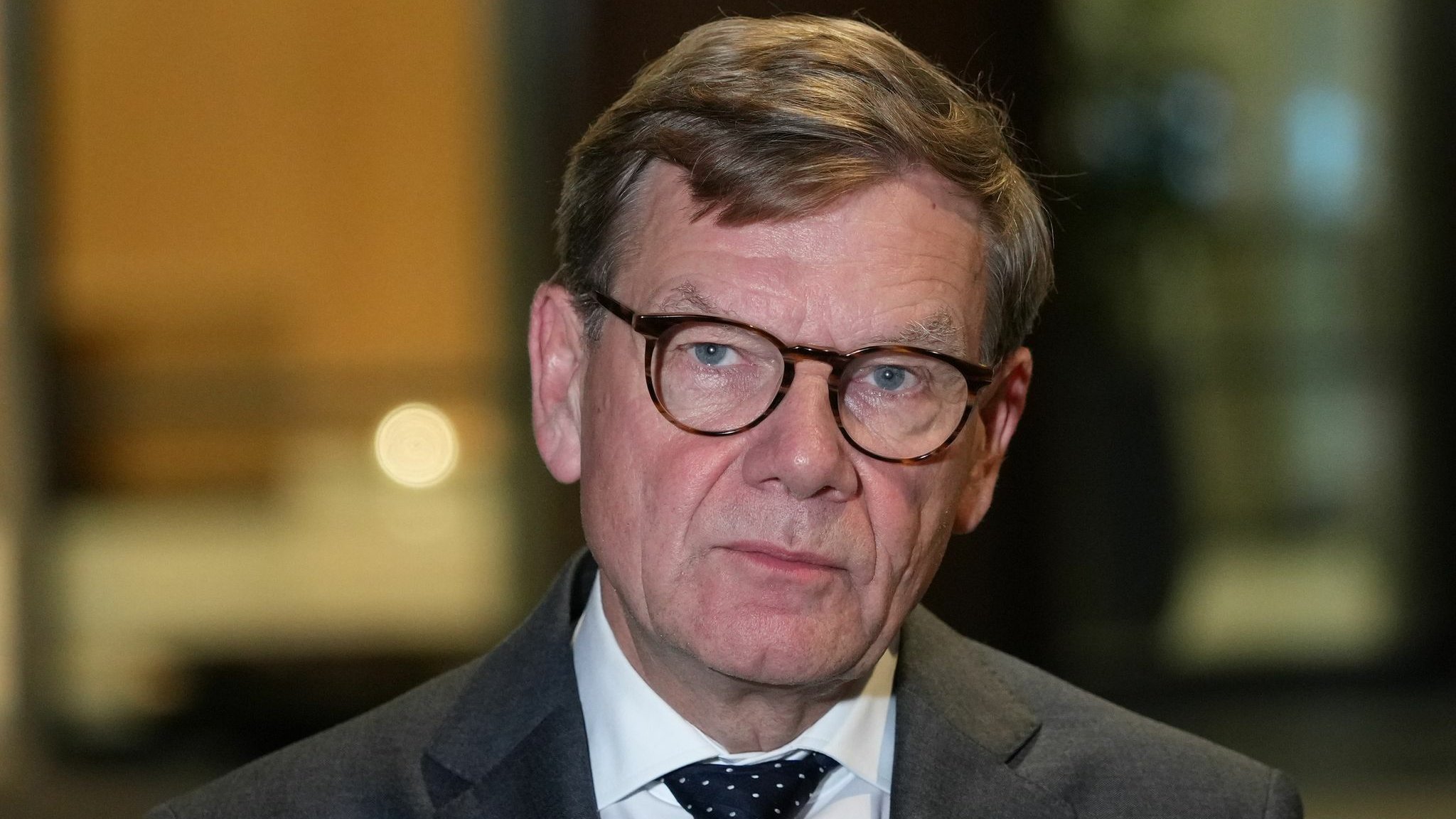
Ulf Kristersson
On the opposing side, Ulf Kristersson, leader of the Moderates, leads the liberal-conservative-right bloc, which is only narrowly behind the left-green parties. Despite the close outcome, Kristersson is portrayed as unwilling to concede, indicating his intention to continue efforts to form a government. His path, however, is also fraught with challenges, as a simple continuation of his previous government is not feasible given the current seat distribution.
Kristersson's bloc includes the right-wing populist Sweden Democrats, whose unexpected losses complicate the overall picture for the right. While his camp might have fewer internal ideological hurdles compared to Andersson's diverse left-green alliance, the narrow margin means every vote and every potential partner is critical. The article suggests that the political maneuvering on the right will be as intense and uncertain as on the left.
Schwedendemokraten
A significant development highlighted by the article is the "surprisingly strong losses" suffered by the right-wing populist Sweden Democrats. This outcome contrasts with earlier expectations that the party, after four years of being close to power, would continue its ascent. Their setback is a notable feature of this election, potentially altering the dynamics of the right-wing bloc and its ability to form a government.
The performance of the Sweden Democrats is particularly relevant in a broader European context, where the rise of right-wing populist parties has been a consistent trend. The article's explicit mention of the AfD's success in Saxony-Anhalt draws a direct parallel, suggesting that while Sweden's right-wing populists faced a setback, the underlying concerns about such movements remain pertinent across the continent, including in Germany. This connection underscores the importance of civil society engagement in countering such political forces.
Key points
- Sweden's parliamentary election resulted in a very close race, with no clear winner between the left-green and liberal-conservative-right blocs.
- The Social Democrats, led by Magdalena Andersson, emerged as the strongest single party but failed to secure a decisive majority.
- The right-wing populist Sweden Democrats experienced surprising losses, contrary to earlier expectations.
- Government formation is expected to be highly difficult, with the possibility of new elections looming.
- The article draws parallels between the Swedish election's implications and concerns about the AfD's rise in Germany.
If a stable government can eventually be formed, it could lead to a period of political stability for Sweden, allowing the country to address key domestic and international challenges effectively. The unexpected losses for the right-wing populists might also signal a potential shift in voter sentiment away from extremist parties.
The current political deadlock could lead to prolonged uncertainty, making it difficult to pass legislation and govern effectively. The prospect of new elections, as mentioned by the Centre Party leader, could further destabilize the political landscape and potentially lead to a more fragmented parliament.