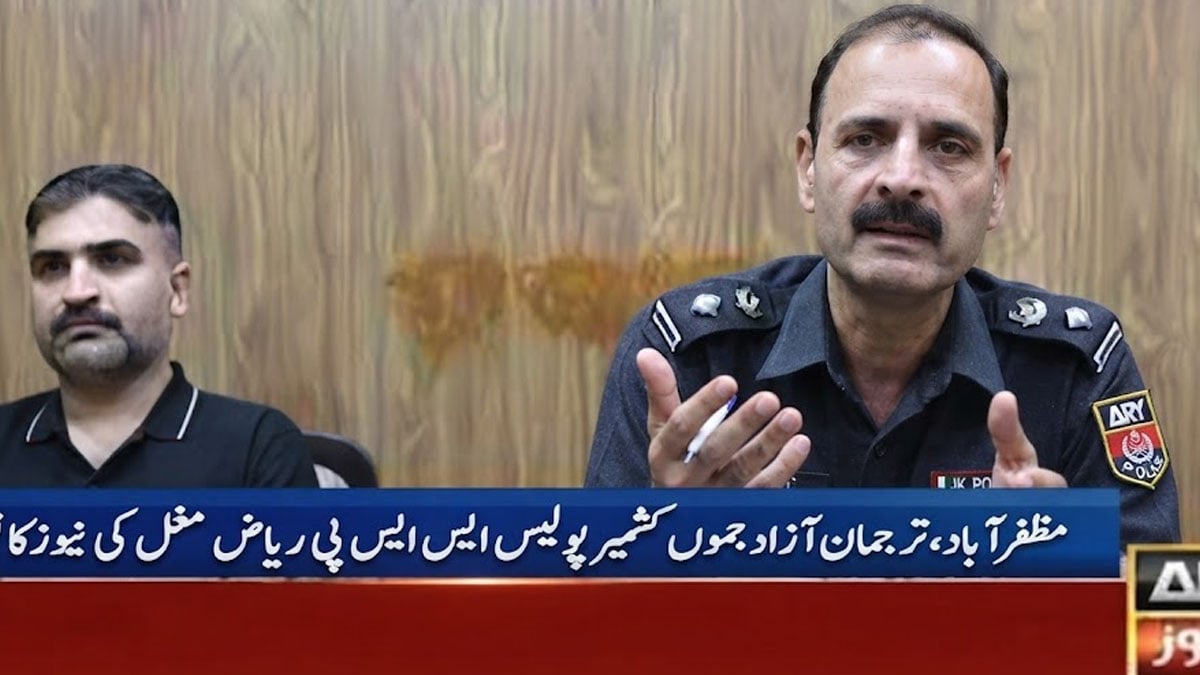
Electricity Prices Might Be Lower than Solar Power
Awais Leghari says electricity bills have eased and could fall further if subsidies stay in place.
Intelligence analysis by GPT-5.4 Mini
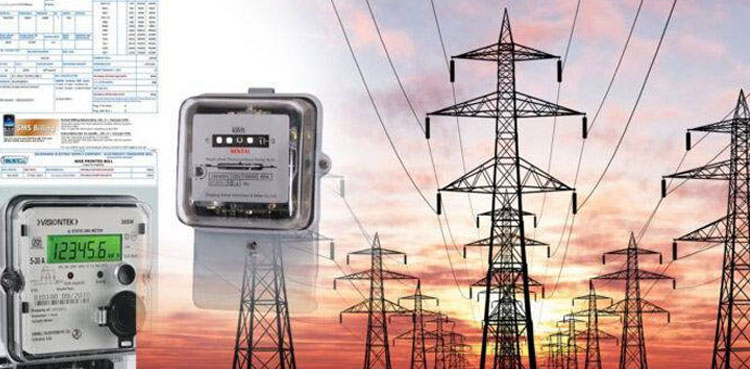
Pakistan’s energy minister says power tariffs may drop by Rs4 to Rs6 per unit if government subsidies continue, while new renewable supply could make daytime electricity cheaper than solar power.
Pakistan’s power minister says electricity bills may go down more if the government keeps helping with subsidies. He also says newer clean power could become so cheap that daytime electricity might cost less than solar power, like getting a bigger lunch at a smaller price.
Analysis
What Leghari is claiming
Energy Minister Awais Leghari says electricity bills have already declined overall, even though fixed charges went up. He argues that if subsidies remain available, tariffs could fall by another Rs4 to Rs6 per unit.
Why the minister says prices may fall
Leghari said electricity generated during daylight hours could eventually be sold at prices lower than solar power as more renewable energy is added to the system. He tied that claim to a broader shift toward cleaner supply and a changing power mix.
Capacity and demand
Responding to criticism from former finance minister Miftah Ismail, Leghari rejected the claim that the government plans to buy 26,000 megawatts of extra electricity. He said that figure is misleading because it includes net-metering capacity, which does not create capacity payments. According to him, the real plan is to add about 9,000 megawatts to the national grid, including power from Dasu, Diamer-Bhasha, and a 1,200-megawatt nuclear plant.
Reforms and savings
The minister also said electricity use has risen by around 7 to 9 percent in recent months, citing NEPRA figures. He claimed reforms have reduced administrative costs, cut losses in distribution companies, and saved taxpayers about Rs600 billion. He said DISCO losses have fallen from about Rs586 billion and should come down to Rs300 billion in the current fiscal year.
Key points
- Awais Leghari says electricity bills have declined overall, despite higher fixed charges.
- He says tariffs could fall by Rs4 to Rs6 per unit if subsidies continue.
- He argues daytime electricity could eventually be cheaper than solar power as renewable energy expands.
- He rejected the claim that the government plans to buy 26,000 MW of extra electricity, saying the figure wrongly includes net-metering capacity.
- He said the government plans to add about 9,000 MW, including Dasu, Diamer-Bhasha, and a 1,200-MW nuclear plant.
If subsidies continue and the reported reforms hold, households and businesses could see lower power bills. The addition of major hydropower and nuclear capacity could also support a cheaper and steadier supply mix.
The expected price cuts depend on subsidies staying in place, so the benefit could fade if support is reduced. The claims also rely on reforms and loss reductions continuing, which may be difficult if demand keeps rising or grid costs remain high.