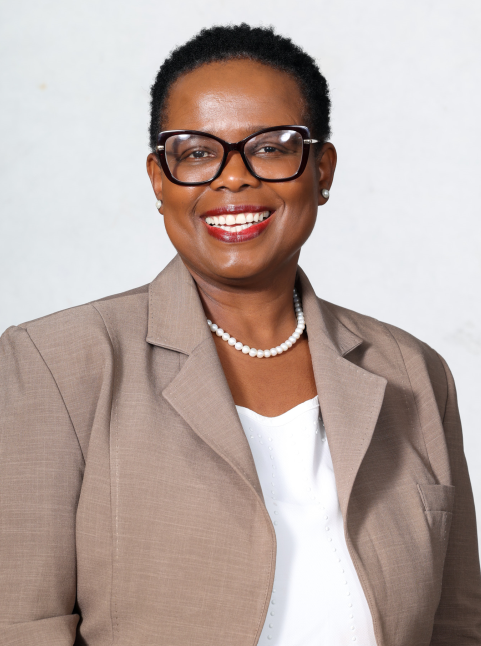
Electricity tariffs reflect 40% losses, inefficiencies — Presidential aide
A presidential aide, Lanre Babalola, has warned that Nigeria's high electricity tariffs reflect significant operational losses and inefficiencies, rather than just cost-reflective operations.
Intelligence analysis by Gemini 2.5 Flash

Babalola, a former Minister of Power, argued that about 40% of costs are due to aggregate technical, commercial, and collection losses, making current tariffs of N200 per kilowatt-hour (15 US cents) unnecessarily high by global standards, despite the critical need for reliable power.
Imagine if the ice cream truck had to throw away nearly half its ice cream before selling it because of melting or spills. To make up for that waste, they'd have to charge you much more for the ice cream you actually get. That's kind of what's happening with Nigeria's electricity: a lot of power is lost before it even reaches homes, making the electricity you use much more expensive.
Analysis
Lanre Babalola, a Special Adviser to the President on Power and former Minister, has issued a stark warning regarding the true nature of Nigeria's electricity tariffs. His intervention challenges the prevailing narrative that high tariffs are simply a reflection of the cost of providing reliable power. Instead, Babalola asserts that a substantial portion of these costs is attributable to deep-seated operational inefficiencies and losses within the power sector.
Lanre Babalola's Stance
Babalola's perspective is particularly significant given his past role in spearheading Nigeria's Multi-Year Tariff Order. He agrees with the premise that Nigerians prioritize reliable power over cheap power, acknowledging the foundational role electricity plays in economic activity and domestic comfort. However, he strongly refutes the notion that cost-reflective electricity must inherently be expensive. His argument pivots on the idea that true cost-reflectiveness should only account for efficient operations, not the financial drain caused by systemic failures.
His critique suggests that simply raising tariffs without addressing underlying issues is a flawed approach. It places an undue burden on consumers who are already struggling with economic pressures. Babalola's call for a re-evaluation of what constitutes a 'cost-reflective' tariff implies a need for greater transparency and accountability from power operators, ensuring that consumers are not subsidizing mismanagement or technical shortcomings.
40 per cent Losses
The core of Babalola's argument rests on the staggering figure of approximately 40 per cent in aggregate technical, commercial, and collection losses. These losses represent a significant portion of generated electricity that never translates into revenue for operators, or power delivered to end-users. Technical losses occur during transmission and distribution, commercial losses stem from issues like meter tampering or inaccurate billing, and collection losses refer to unpaid bills.
Such a high percentage of losses directly inflates the cost of electricity for paying consumers. If nearly half of the power generated is lost before it can be monetized, the remaining half must bear the full cost of production, transmission, and distribution, leading to artificially high per-unit prices. Addressing this 40 per cent leakage is crucial for any meaningful reduction in tariffs and for improving the financial viability of the power sector without solely relying on consumer price hikes.
Abuja Policy Lab
Babalola articulated these views at the third edition of the Abuja Policy Lab, an event organized by the German Embassy in Nigeria. The theme, 'Fueling the Future: How to Power Nigeria,' provided a platform for critical discussions on the nation's energy challenges. His comments were a direct response to a proposition suggesting that Nigerians should accept higher tariffs in exchange for improved supply, a common argument made by some stakeholders in the sector.
The setting of the Abuja Policy Lab underscores the international interest and concern regarding Nigeria's power sector. Such forums are vital for bringing together policymakers, experts, and international partners to deliberate on sustainable solutions. Babalola's contribution serves as a reminder that technological fixes or financial injections alone may not suffice if fundamental operational inefficiencies, like the 40 per cent losses, are not rigorously tackled. The dialogue at the Lab highlights the complex interplay between policy, operational efficiency, and consumer welfare in Nigeria's quest for reliable power.
Key points
- Presidential aide Lanre Babalola warns that electricity tariffs in Nigeria reflect 40% operational losses and inefficiencies.
- He argues that high tariffs are not automatically 'cost-reflective' if they include the cost of systemic failures.
- Babalola, a former Minister of Power, believes Nigerians need reliable power but it shouldn't be unnecessarily expensive.
- Current tariffs of N200 per kilowatt-hour (15 US cents) are considered high by international standards.
- The call is for operators to address aggregate technical, commercial, and collection losses to lower costs.
If the Nigerian government and power operators heed Babalola's advice, a concerted effort to reduce the 40% operational losses could lead to more affordable electricity tariffs. This efficiency gain could improve the financial health of the power sector while simultaneously providing more reliable and cheaper power to consumers, fostering economic growth.
Should the inefficiencies and losses persist, Nigerians will continue to face high electricity tariffs that do not genuinely reflect the cost of efficient power delivery. This could stifle industrial growth, increase the cost of living, and perpetuate public dissatisfaction with the power sector, hindering overall national development.