Elon Musk steps into AI filmmaking with new take on ‘The Odyssey’
Elon Musk announced plans for a full-length AI-generated adaptation of ‘The Odyssey’, saying it would offer a historically accurate take on Homer’s ancient Greek epic. Musk’s AI model, Grok Imagine, will produce a complete feature-length film based on the epic before the …
Intelligence analysis by Llama
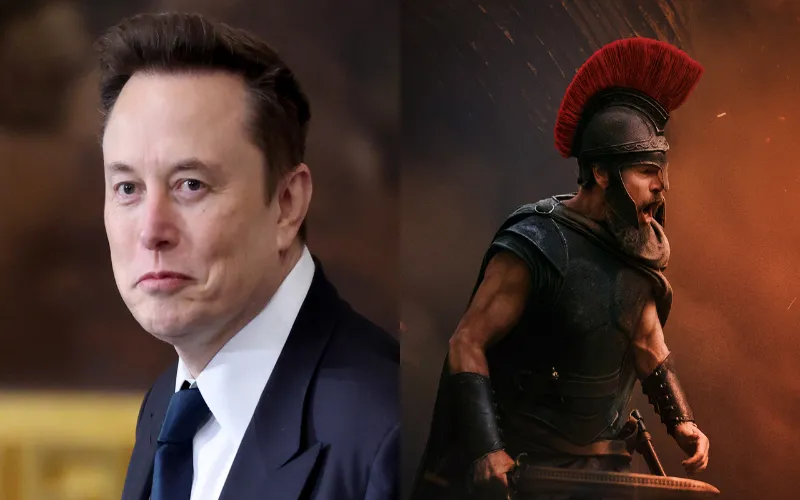
Elon Musk has announced plans to create a full-length AI-generated adaptation of ‘The Odyssey’, which he claims will be historically accurate. This move has sparked a debate about the use of AI in filmmaking and the representation of ancient literature.
Elon Musk is using a computer program to make a movie of an old story called ‘The Odyssey’. He says it will be very accurate and true to the original story. This is a new way of making movies that some people are excited about and others are worried about.
Analysis
A New Take on an Ancient Epic
Elon Musk's announcement of a full-length AI-generated adaptation of ‘The Odyssey’ has sparked a debate about the use of AI in filmmaking and the representation of ancient literature. Musk's AI model, Grok Imagine, will produce a complete feature-length film based on the epic before the end of 2026. This move has been met with both excitement and skepticism, with some praising the potential of AI-generated content and others expressing concerns about the accuracy and authenticity of such productions.
The Growing Influence of AI in Filmmaking
The use of AI in filmmaking is becoming increasingly prevalent, with many studios and production companies exploring the potential of AI-generated content. From AI-powered special effects to AI-generated music and sound design, the possibilities are endless. However, the use of AI in filmmaking also raises questions about the role of human creativity and the potential for AI to replace human artists and technicians.
The Representation of Ancient Literature
The representation of ancient literature is also a significant topic in the cultural sphere. The use of AI-generated adaptations of ancient texts raises questions about the accuracy and authenticity of such productions. While AI-generated content can be a powerful tool for exploring and interpreting ancient literature, it also risks reducing the complexity and nuance of these texts to simplistic and inaccurate representations.
Key points
- Elon Musk has announced plans to create a full-length AI-generated adaptation of ‘The Odyssey’
- The adaptation will be produced by Musk's AI model, Grok Imagine, before the end of 2026
- The move has sparked a debate about the use of AI in filmmaking and the representation of ancient literature
- Musk claims the adaptation will be historically accurate and true to the original story
If Elon Musk's AI-generated adaptation of ‘The Odyssey’ is successful, it could pave the way for more innovative and accurate adaptations of ancient literature. This could lead to a greater understanding and appreciation of these texts, and potentially even inspire new works of art and literature.
However, if the AI-generated adaptation is not successful, it could lead to a backlash against the use of AI in filmmaking. This could result in a loss of funding and support for AI-generated content, and potentially even harm the careers of those who have invested in this technology.