En bloc reforms welcomed, but concerns raised over timeline
Proposed changes to Singapore's collective sale regime aim to ease collective sales and renew ageing estates. The changes include lowering en bloc consent thresholds for older developments and shortening the timeline to obtain signatures from 12 to 6 months.
Intelligence analysis by Llama
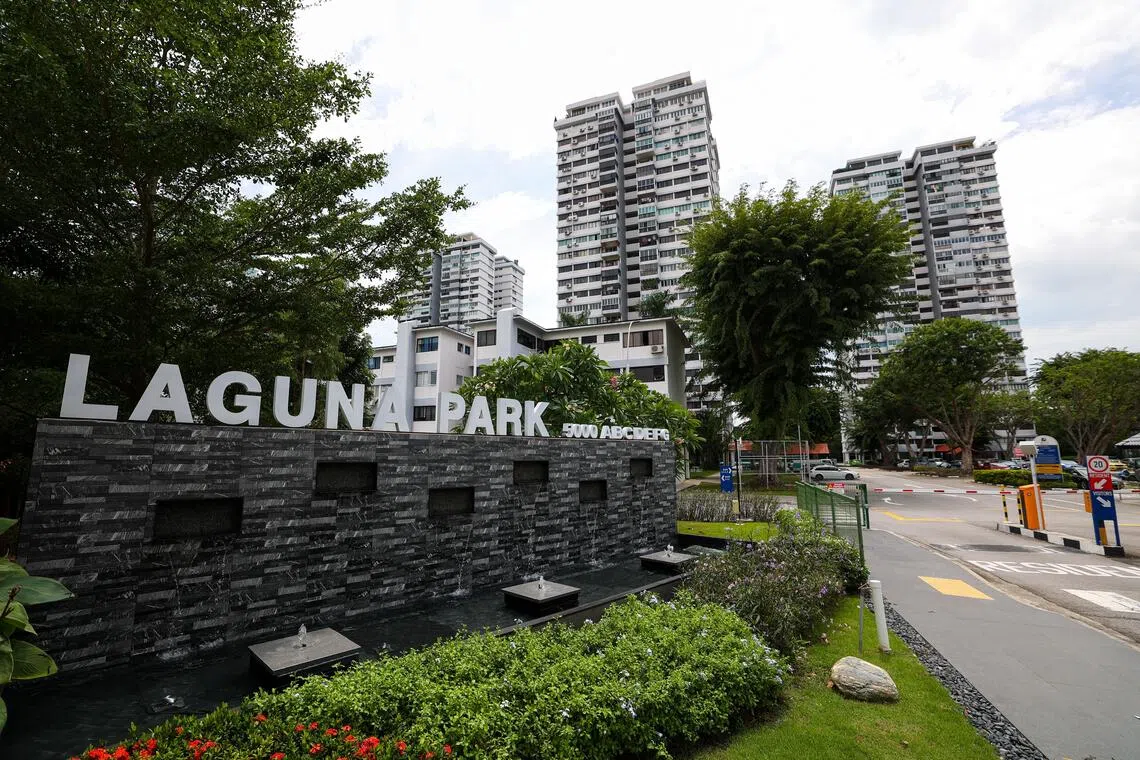
Market players welcome proposed changes to Singapore's collective sale regime, but some flag concerns over the shortened timeline to get signatures. The changes aim to ease collective sales and renew ageing estates, but large or mixed-use developments may face challenges with the new timeline.
Imagine you own a big apartment building in Singapore that's very old and needs a lot of repairs. The government wants to make it easier for you to sell the building to a new owner who can fix it up. They're proposing some changes to the rules that will make it easier for you to sell, but some people are worried that it will take too long to get everything sorted out.
Analysis
A $60B Vote of Confidence
The proposed changes to Singapore's collective sale regime are a long-awaited recalibration needed to facilitate the renewal of ageing estates. Market players welcome the proposal to lower en bloc consent thresholds for older developments, but some flag concerns over the shortened timeline to get signatures. The changes aim to ease collective sales and renew ageing estates, but large or mixed-use developments may face challenges with the new timeline.
Why Cursor?
The proposed changes have significant implications for Singapore's ageing estates and the collective sale process. They aim to make it easier for owners to sell their properties and for developers to acquire them. However, the shortened timeline may pose challenges for some developments, particularly those with many overseas or absentee owners. The challenge is not only persuading owners to sign but also simply reaching them.
The Road Ahead
The proposed changes are a step in the right direction, but they require careful consideration of the practical realities of the collective sale process. The shortened timeline may need to be adjusted for very large developments to better reflect these realities. The lowering of the consent threshold to 70 per cent would help moderate reserve prices and increase the chances of finding a buyer. However, the proposed changes also return power to the remaining owners, provided their estate is over 40 years old. This is a positive development, but it also highlights the need for careful consideration of the practical realities of the collective sale process.
Key points
- Proposed changes to Singapore's collective sale regime aim to ease collective sales and renew ageing estates.
- The changes include lowering en bloc consent thresholds for older developments and shortening the timeline to obtain signatures from 12 to 6 months.
- Market players welcome the proposal to lower en bloc consent thresholds for older developments, but some flag concerns over the shortened timeline to get signatures.
- The changes aim to make it easier for owners to sell their properties and for developers to acquire them, but the shortened timeline may pose challenges for some developments.
If the proposed changes are implemented, it could lead to a surge in collective sales, with more owners selling their properties and developers acquiring them. This could result in a more efficient and effective collective sale process, with fewer disputes and delays.
However, the shortened timeline to get signatures may pose challenges for some developments, particularly those with many overseas or absentee owners. This could lead to delays and disputes, and potentially even the collapse of collective sales efforts.