Energy bills to grow by more than £200 a year for millions as Ofgem increases price cap – business live
Ofgem will raise Great Britain’s energy price cap by 13% from July, lifting average annual bills to £1,862.
Intelligence analysis by GPT-5.4 Mini
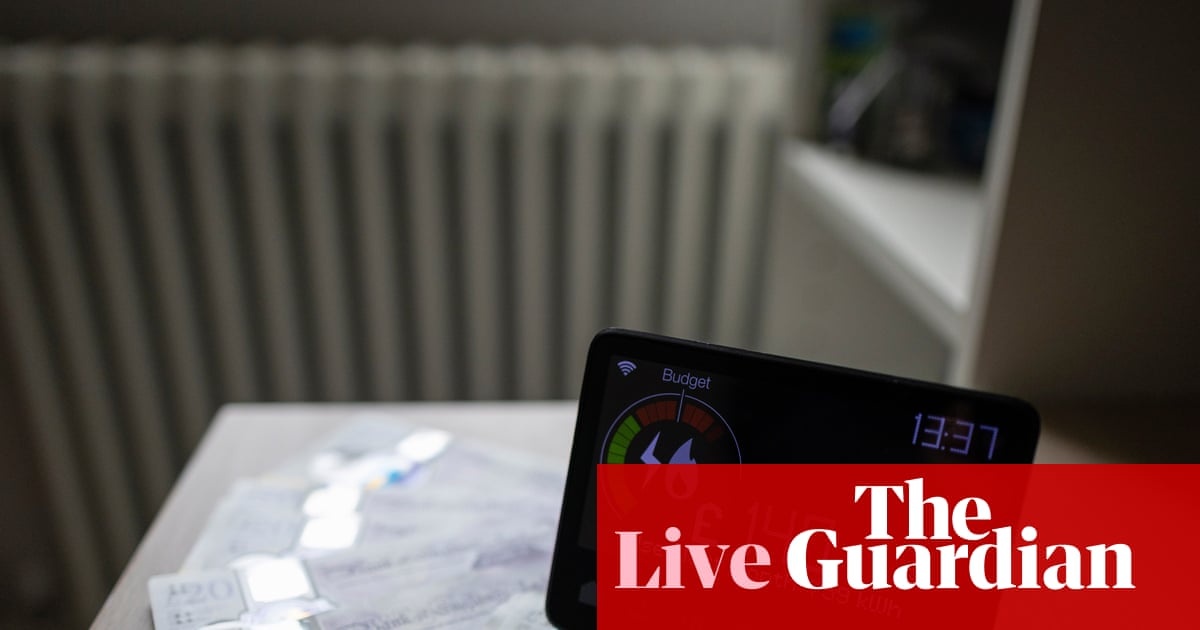
Ofgem says the cap will rise to reflect higher wholesale gas costs and wider volatility in global energy markets. The increase is the steepest summer jump in four years and comes as households, campaigners and ministers brace for another hit to living costs.
A family’s gas and electricity bill is going up again. The people who set the limit on what companies can charge say the cost of fuel has risen, so the cap has to rise too.
Think of it like the price of school lunch ingredients jumping suddenly. If the food costs more, the lunch price often goes up as well. Energy works in a similar way.
This matters because higher bills leave less money for food, travel and other things. It can also make prices in shops harder to bring down.
Analysis
The cap rises again
Ofgem has set Great Britain’s energy price cap 13% higher from July, covering the three months to the end of September. For a typical household, that pushes the annual bill equivalent to about £1,862, up from £1,641. The regulator says the change reflects higher wholesale gas prices and ongoing volatility in international energy markets.
The move means households will face the sharpest summer increase in four years. Ofgem chief executive Tim Jarvis said the rise is being driven by conflict in the Middle East and the resulting pressure on wholesale gas costs. He also pointed to practical steps consumers can take, including fixed tariffs, changing payment methods and using smart-meter offers where available.
Wider market effects
The story is not limited to household bills. The live blog notes that UK gilt yields were rebounding despite the cap increase, with analysts linking bond moves to oil prices and to expectations that some of the energy shock could ease if geopolitical tensions calm. One commentator argued that the inflationary effect may be limited by a weak domestic economy and a rising unemployment rate.
The rise is politically awkward for ministers as well. Energy secretary Ed Miliband called it deeply unwelcome, and campaigners warned that the most vulnerable will feel the pain first. The announcement keeps energy costs near the center of the UK economy debate, because they affect inflation, consumer spending and the credibility of policy responses.
Key points
- Ofgem will raise the Great Britain energy price cap by 13% from July.
- A typical annual bill will rise to the equivalent of £1,862 from £1,641.
- The regulator blames higher wholesale gas prices and volatility in global energy markets.
- Tim Jarvis said households can look at fixed tariffs, payment methods and smart-meter options.
- Campaigners and ministers warned the rise will hit vulnerable households hardest.