‘Enough is enough’: 121 Indigenous Victorians have died by suicide in the past five years
121 Indigenous Victorians have died by suicide in the past five years, despite a 2021 royal commission recommending cultural healing centers that remain unfunded by the state government.
Intelligence analysis by Gemini 2.5 Flash
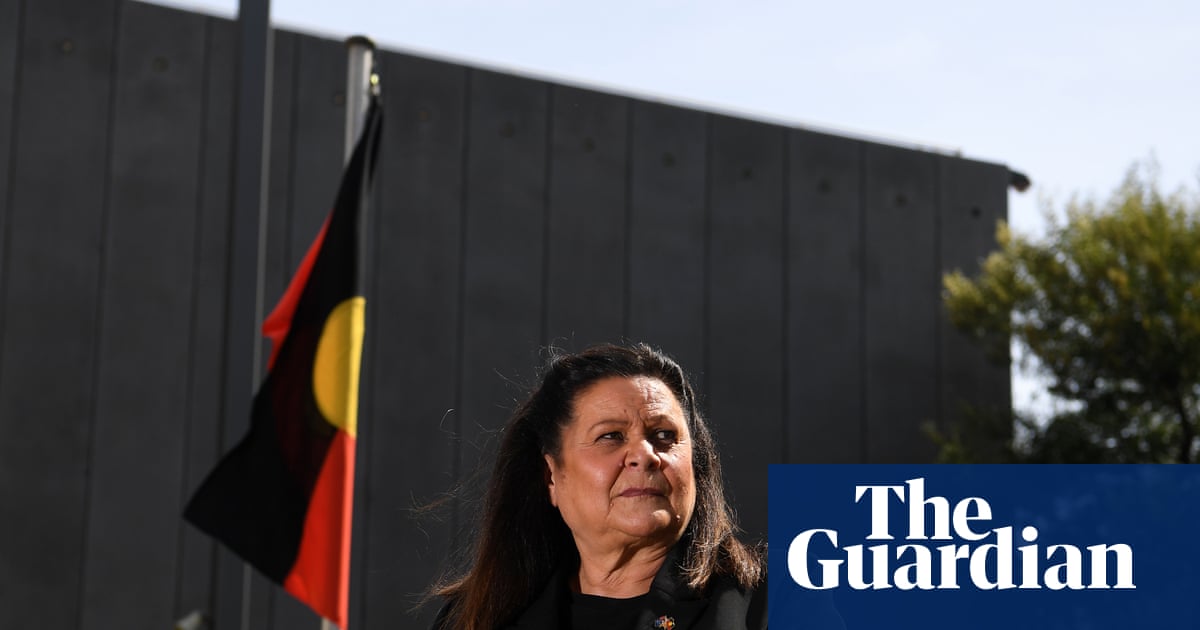
The tragic statistic highlights the failure of mainstream mental health services to adequately support Aboriginal and Torres Strait Islander people, according to the Victorian Aboriginal Health Organisation (VACCHO). Indigenous leaders are calling for the urgent establishment of culturally appropriate healing centers, emphasizing that the government has done "nothing" to implement key…
Imagine a special club for kids that helps them feel happy and safe when they're sad or scared. A few years ago, grown-ups said we needed more of these special clubs, especially for Indigenous kids, because the regular ones weren't helping enough. But even though everyone agreed, the money to build these new, culturally-focused clubs hasn't arrived, and sadly, many Indigenous people are still feeling so sad they're taking their own lives. People are saying, 'Enough is enough! We need these special places now to help our families heal.'
Analysis
The alarming statistic of 121 Indigenous Victorians dying by suicide over the past five years casts a stark light on the persistent mental health crisis within Aboriginal and Torres Strait Islander communities. This period notably follows the March 2021 final report of the royal commission into mental health, which specifically highlighted the need for Aboriginal self-determination, social and emotional wellbeing, and the creation of two cultural healing centers. Despite the Victorian government's acceptance of all 65 recommendations from the final report and nine from the interim report, the implementation of those directly impacting First Nations people, who are three times more likely to die by suicide, has been critically slow or non-existent.
121 Indigenous Victorians
The profound loss of 121 Indigenous lives to suicide in Victoria over five years represents a devastating human cost that extends far beyond mere statistics. As Jill Gallagher, chief executive of the Victorian Aboriginal Health Organisation (VACCHO), powerfully articulated, "These aren’t just figures we’re talking about, these are members of our families. Our families suffer, our communities suffer." This statement underscores the deep, intergenerational trauma and grief that permeates Indigenous communities, exacerbated by a perceived lack of effective support systems. The fact that these deaths occurred after a comprehensive royal commission report, which explicitly outlined pathways for improvement, highlights a significant gap between policy acceptance and tangible action.
Victorian Aboriginal Health Organisation
VACCHO, as the state's peak body for Aboriginal health, has been at the forefront of advocating for change, directly challenging the efficacy of mainstream mental health services for Indigenous people. Jill Gallagher, a Gunditjmara woman, explicitly stated that "mainstream mental health services are not working for Aboriginal and Torres Strait Islander people." VACCHO has actively sought funding for the recommended healing centers, applying twice over the past five years for an estimated $36.2 million over four years, only to be met with inaction. This persistent lack of funding for culturally appropriate services, which Indigenous leaders like Nikki Foy (who lost her brother to suicide) assert are crucial for addressing "complexities of the trauma that we carry," demonstrates a systemic failure to prioritize Indigenous-led solutions.
Gellung Warl
The political landscape surrounding Indigenous mental health initiatives in Victoria is further complicated by differing approaches from the major parties. While the Victorian minister for mental health, Ingrid Stitt, pledged to advocate "strongly within cabinet and within the budget process" for the healing centers, the opposition Coalition has taken a contrasting stance. The Coalition has vowed to repeal Victoria’s historic treaty laws and dismantle Gellung Warl, the representative body for First Nations Victorians established through the treaty process, if they win the upcoming state election. This move, if enacted, could significantly undermine the principle of Aboriginal self-determination, which was a key emphasis of the royal commission. The debate over Gellung Warl and treaty laws highlights a fundamental disagreement on how best to empower Indigenous communities to address their own challenges, including the critical issue of suicide prevention.
Key points
- 121 Indigenous Victorians have died by suicide in the past five years, a period following a 2021 royal commission into mental health.
- The royal commission recommended establishing two cultural healing centers and emphasized Aboriginal self-determination, but these recommendations remain unfunded.
- The Victorian Aboriginal Health Organisation (VACCHO) states that mainstream mental health services are failing Indigenous people and has applied twice for funding for the centers.
- Indigenous leaders, including VACCHO CEO Jill Gallagher, are calling for urgent action, stressing that "culture heals" and culturally appropriate services are vital.
- Political debate surrounds the issue, with the current minister advocating for funding while the opposition Coalition plans to repeal treaty laws and dismantle the Indigenous representative body, Gellung Warl.
If the Victorian government commits to fully funding and implementing the culturally appropriate healing centers recommended by the royal commission, it could significantly reduce suicide rates among Indigenous Victorians. Empowering Aboriginal community-controlled organizations to deliver these services would foster self-determination and provide effective, culturally sensitive support, leading to improved mental health outcomes and stronger communities.
Continued inaction or political changes, such as the proposed dismantling of Gellung Warl, could further delay or derail the establishment of crucial healing centers. This would perpetuate the existing mental health crisis, leading to more tragic losses of life and deepening the trauma within Indigenous communities, undermining efforts to close the gap in health outcomes.