Erectile dysfunction drug found in honey product; steroid, laxative found in two others: SFA
The Singapore Food Agency (SFA) has found three food products sold in Singapore to contain medicinal substances not allowed in food. The products include a honey product with tadalafil, a laxative, and a steroid. Consumers are advised not to consume these products and to …
Intelligence analysis by Llama
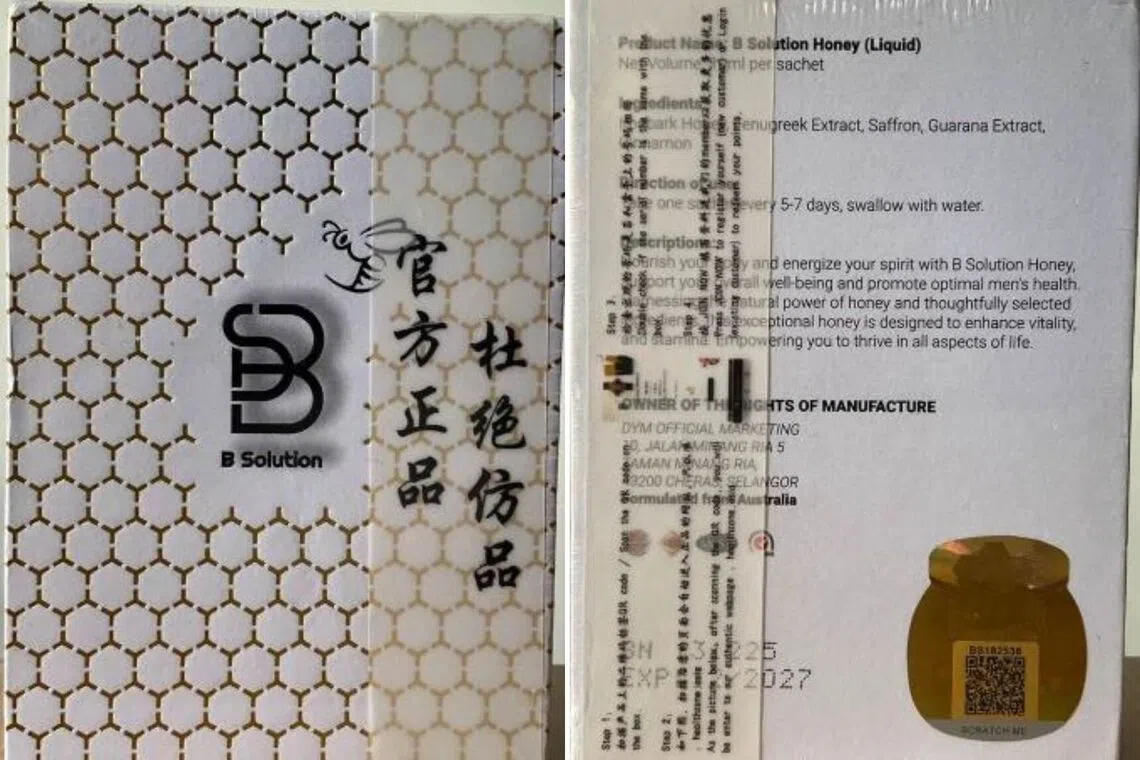
The Singapore Food Agency has found three food products sold in Singapore to contain medicinal substances not allowed in food. The products include a honey product with tadalafil, a laxative, and a steroid. Consumers are advised not to consume these products and to seek medical advice if concerned.
Imagine you eat a honey product that has a medicine in it that's meant for grown-ups. This medicine can make you feel sick or even have a heart attack. The Singapore Food Agency found three food products with these medicines in them and is telling people not to eat them. If you already ate them, you should go see a doctor.
Analysis
A $60B Vote of Confidence
The Singapore Food Agency (SFA) has found three food products sold in Singapore to contain medicinal substances not allowed in food. The products include a honey product with tadalafil, a laxative, and a steroid. This discovery raises concerns about the safety of food products sold in Singapore and the potential health risks associated with consuming these products.
The SFA has worked with sellers to remove the listings of the products and issued advisories to sellers to stop selling the products with immediate effect. Those who have purchased the implicated products should not consume them, said SFA. People who have consumed the products and are concerned about their health should seek medical advice.
The SFA also reminded consumers to be mindful of the risks associated with consuming food bought from unknown or unverified sources. They should seek more information before making any purchase. Members of the public who have any information on the sale and supply of these food products may write in to SFA at www.sfa.gov.sg/feedback
Why Cursor?
The discovery of these medicinal substances in food products highlights the need for stricter regulations and enforcement in the food industry. The SFA should work closely with sellers to ensure that only safe and compliant products are sold in Singapore. Consumers should also be aware of the potential health risks associated with consuming food products that contain medicinal substances not allowed in food.
The Road Ahead
The SFA should continue to monitor the sale and supply of these food products and take swift action to remove any products that are found to contain medicinal substances not allowed in food. Consumers should also be vigilant and report any suspicious products to the SFA. By working together, we can ensure that food products sold in Singapore are safe for consumption.
Key points
- The Singapore Food Agency (SFA) has found three food products sold in Singapore to contain medicinal substances not allowed in food.
- The products include a honey product with tadalafil, a laxative, and a steroid.
- Consumers are advised not to consume these products and to seek medical advice if concerned.
- The SFA has worked with sellers to remove the listings of the products and issued advisories to sellers to stop selling the products with immediate effect.
- Members of the public who have any information on the sale and supply of these food products may write in to SFA at www.sfa.gov.sg/feedback
If the SFA continues to monitor the sale and supply of these food products and takes swift action to remove any products that are found to contain medicinal substances not allowed in food, consumers can have confidence in the safety of food products sold in Singapore. Additionally, if consumers are vigilant and report any suspicious products to the SFA, we can work together to ensure that food products sold in Singapore are safe for consumption.
If the SFA fails to take adequate action to remove the implicated products from the market, consumers may continue to be at risk of consuming food products that contain medicinal substances not allowed in food. This could lead to serious health consequences, including heart attacks, strokes, and priapism. Furthermore, if consumers are not vigilant and do not report suspicious products to the SFA, the problem may persist and continue to pose a risk to public health.