Erfan Esfandiari and Gol-Mohammad Mohammadi, detained during the January protests, were executed in Iran
Iran says it executed Erfan Esfandiari and Gol-Mohammad Mohammadi, two defendants in the Ali Khani Square case, amid rights concerns over the trial.
Intelligence analysis by GPT-5.4 Mini
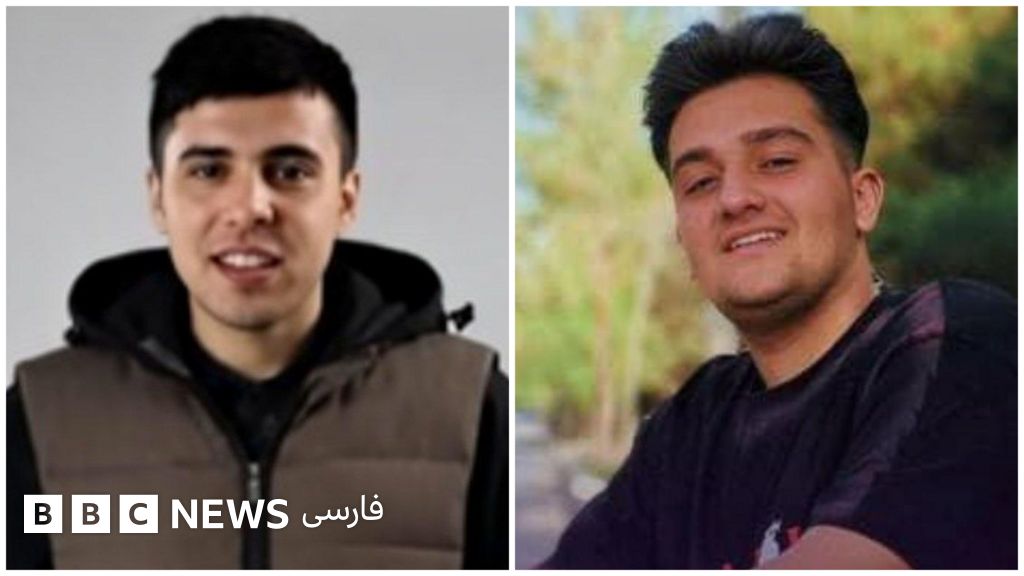
The judiciary framed the pair as armed attackers who killed police officers in Isfahan, while human rights groups warned the case lacked transparency and said ten other defendants still face imminent execution.
Two men were executed after Iran said they took part in violent protests and killed police officers. Rights groups say the case was handled unfairly, like a game where one side writes the rules after play has started.
Analysis
A Case Framed as Armed Unrest
Iran's judiciary said the executions were carried out at dawn and that the two men had been held in Dastgerd Prison in Isfahan. It described them as part of a 12-defendant case tied to Ali Khani Square.
The state version says the pair helped create violent, armed unrest on January 18 and that four police officers were killed. That framing matters because it places the case squarely inside Iran's security narrative, not its protest or civil-rights debate.
The Execution Wave Around Iran's Protests
The article places these hangings inside a wider acceleration in executions since the start of the war between the United States and Israel against Iran. It says dozens of people have been executed on accusations that include espionage and cooperation with the United States and Israel.
That broader context is what makes this story bigger than two names. The source also cites the UN special rapporteur as saying executions in Iran have risen at an unprecedented pace and are being used as a tool of repression.
Ten More Defendants Now Face the Same Risk
Hengaw said the two men were transferred in an unclear and deceptive way before the sentences were carried out, and that 10 other defendants in the same case remain at immediate and tangible risk of execution. That makes the story still active, not closed.
The judiciary says the defendants had weapons and committed arson, blocked roads, attacked people, and damaged public and religious property. Human rights groups focus instead on access to lawyers, trial fairness, and whether the process met basic legal standards, which is where the dispute now sits.
Key points
- Iran said it executed Erfan Esfandiari and Gol-Mohammad Mohammadi early in the morning at Dastgerd Prison.
- The judiciary linked the case to violent unrest in Isfahan and said four police officers were killed.
- Rights groups warned ahead of time that the two men faced a real risk of execution and questioned the process.
- Hengaw said 10 other defendants in the same case still face an immediate risk of execution.
- The article places the case inside a broader rise in executions in Iran.
If the judiciary keeps treating this case as a security crackdown, the 10 other defendants could face the same outcome. The article also suggests Iran's wider execution surge may continue, even as rights groups warn about fairness and access to lawyers.