Ethereum Devs to Narrow 66 Proposals tied to 2027 Hegotá Upgrade
Ethereum developers are reviewing 66 proposals for the upcoming Hegotá upgrade, scheduled for 2027, with a primary focus on integrating native privacy capabilities into the protocol.
Intelligence analysis by Gemini 2.5 Flash
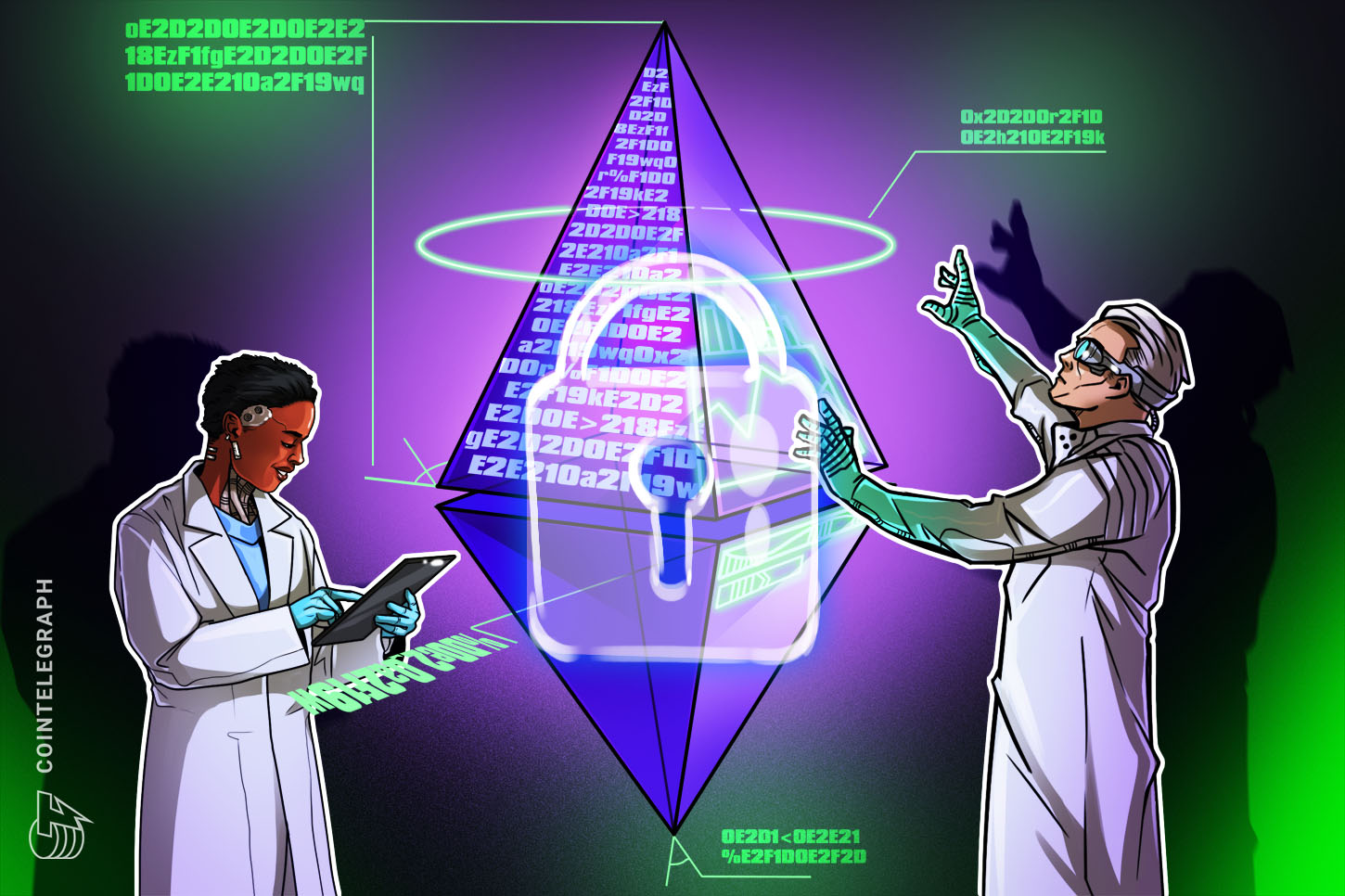
Core Ethereum developers are in the process of evaluating a substantial number of proposals to determine which will be included in the Hegotá upgrade, slated for 2027. This significant update aims to introduce enhanced native privacy features for decentralized applications and bolster the network's censorship resistance.
Imagine Ethereum is a giant digital playground where people build all sorts of games and apps. Right now, the playground's builders are looking at 66 new ideas for a big update called Hegotá, coming in 2027. The main goal is to add 'secret tunnels' so some games can keep players' actions private, and also make sure no one can unfairly stop a game from running. It's like making the playground safer and more private for everyone.
Analysis
Hegotá Upgrade
The Hegotá upgrade represents a significant milestone in Ethereum's development roadmap, targeting a 2027 release. Its core objective is to embed native privacy features directly into the Ethereum protocol, moving away from reliance on external intermediaries for privacy-centric applications. Developers are currently sifting through 66 distinct proposals to identify the most viable and impactful ones for inclusion.
This extensive review process underscores the complexity and collaborative nature of Ethereum's evolution. The decisions made during these developer calls will profoundly influence the network's capabilities and strategic direction for years to come. Proposals that do not secure a spot in Hegotá may be considered for subsequent upgrades, highlighting a continuous improvement cycle.
FOCIL
Among the numerous proposals, FOCIL (Fork-choice enforced inclusion lists) stands out as the only Ethereum Improvement Proposal (EIP) currently scheduled for the Hegotá upgrade. FOCIL is designed to enhance the network's censorship resistance by enabling a committee of validators to mandate the inclusion of pending transactions into blocks. This mechanism is vital for maintaining the integrity and neutrality of the blockchain.
Alongside FOCIL, other proposals like Frame Transactions (EIP-8141), Keyed Nonces (EIP-8250), and Recent Roots for Frame Transactions (EIP-8272) are also being considered. These EIPs are crucial for establishing the foundational primitives necessary for privacy applications to function natively and securely on Ethereum, without needing third-party services.
Glamsterdam
Prior to the Hegotá upgrade, Ethereum developers are focused on shipping Glamsterdam, an upgrade anticipated to be one of the most consequential for 2026. Glamsterdam is engineered to significantly improve Ethereum's scalability, a long-standing challenge for the network, by enhancing its capacity to process more transactions efficiently. This is a critical step in making the network more robust and user-friendly.
Furthermore, Glamsterdam aims to harden the layer-1 protocol, increasing its security and resilience against potential attacks or vulnerabilities. The upgrade is also designed to simplify the overall user experience, making Ethereum more accessible for a wider audience. Its mainnet launch is projected for the second half of 2026, setting the stage for future advancements like Hegotá.
Key points
- Ethereum developers are reviewing 66 proposals for the 2027 Hegotá upgrade.
- The Hegotá upgrade aims to introduce native privacy capabilities for Ethereum applications.
- FOCIL (Fork-choice enforced inclusion lists) is the only EIP currently scheduled for Hegotá to boost censorship resistance.
- Other proposals like Frame Transactions and Keyed Nonces are being considered for privacy primitives.
- The Glamsterdam upgrade, focused on scalability and layer-1 hardening, is expected in late 2026, preceding Hegotá.
The successful integration of native privacy features and enhanced censorship resistance through the Hegotá upgrade could significantly broaden Ethereum's appeal and utility. This would attract more users and developers seeking secure and private decentralized applications, solidifying Ethereum's position as a leading blockchain platform.
The extensive number of proposals for Hegotá could lead to significant delays if developers struggle to reach consensus on which features to prioritize. Should critical privacy or censorship resistance EIPs be postponed or excluded, it might hinder Ethereum's competitive edge against other blockchains focusing on these specific areas.